South Pacific
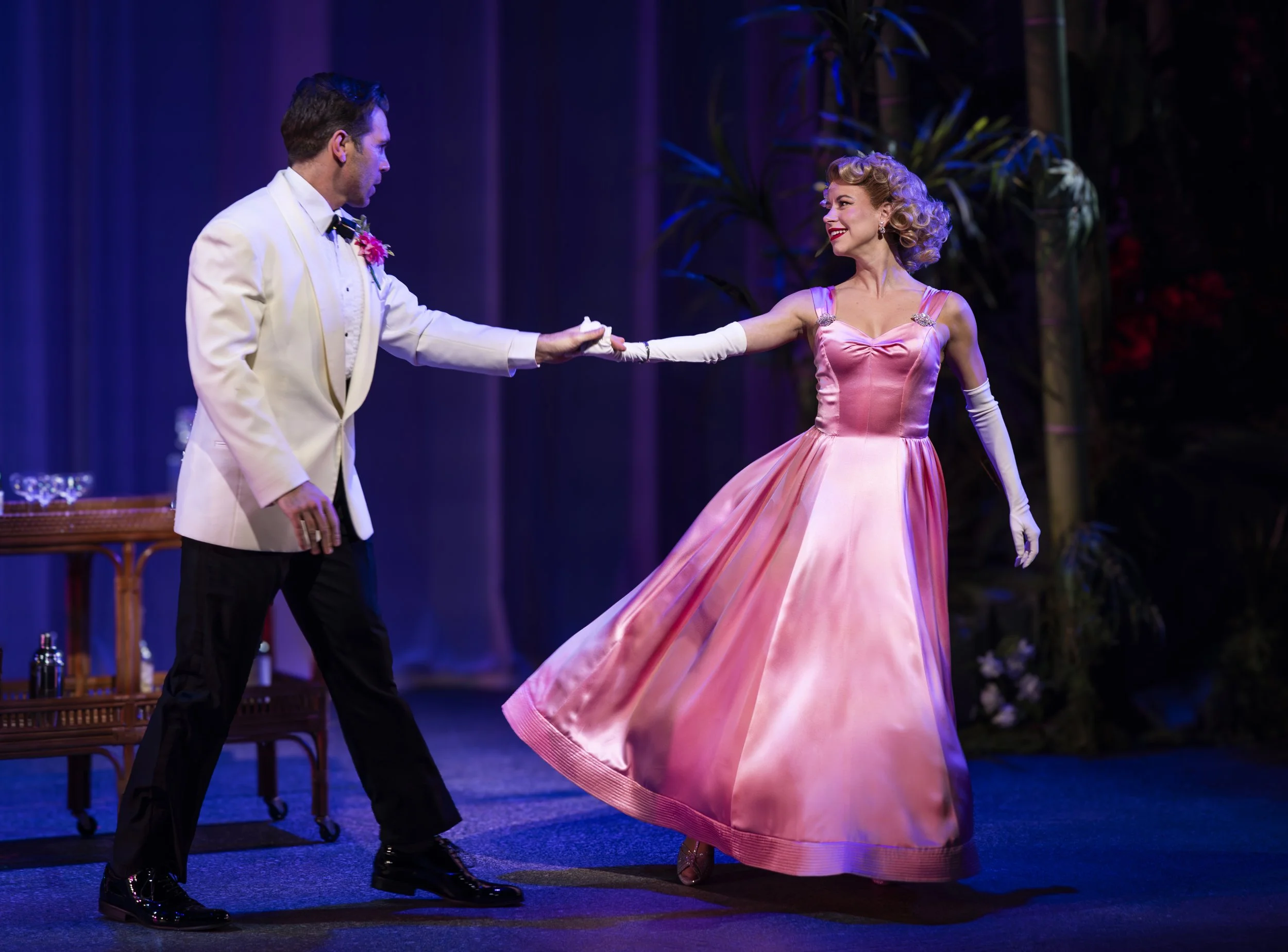
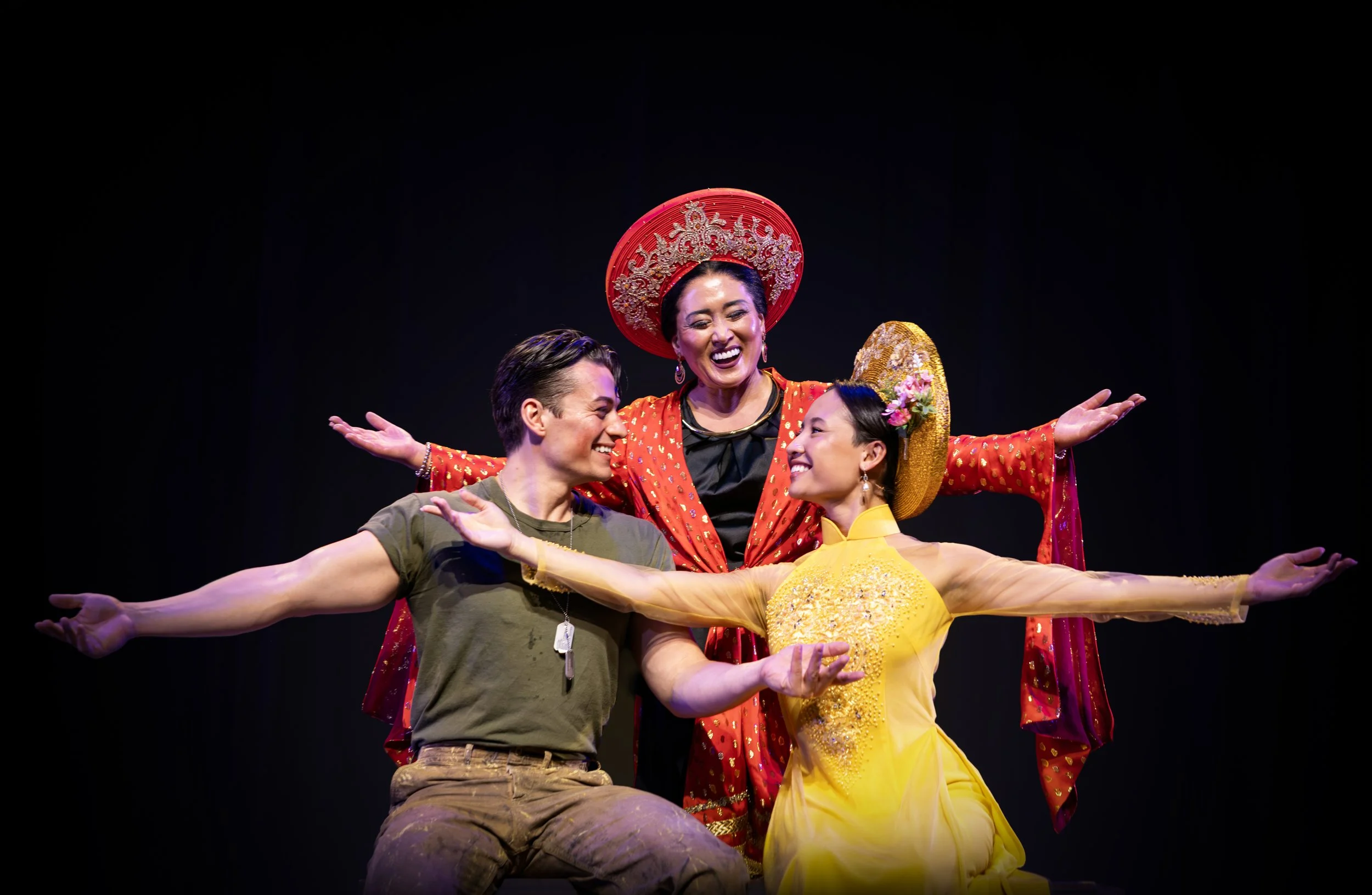
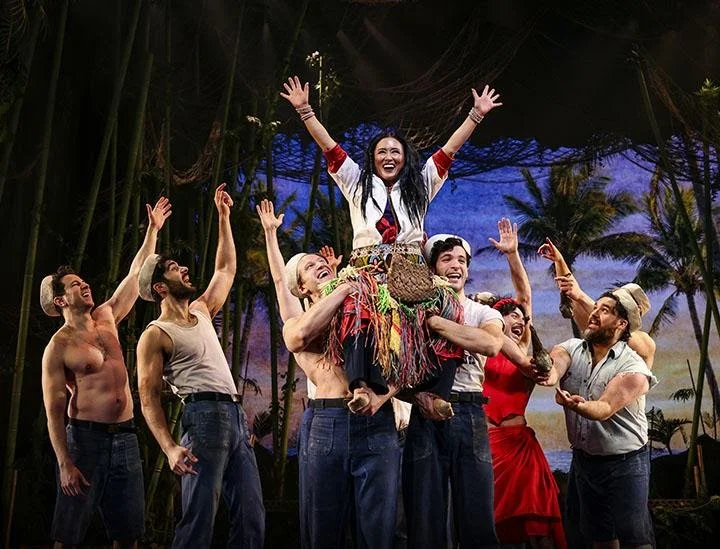
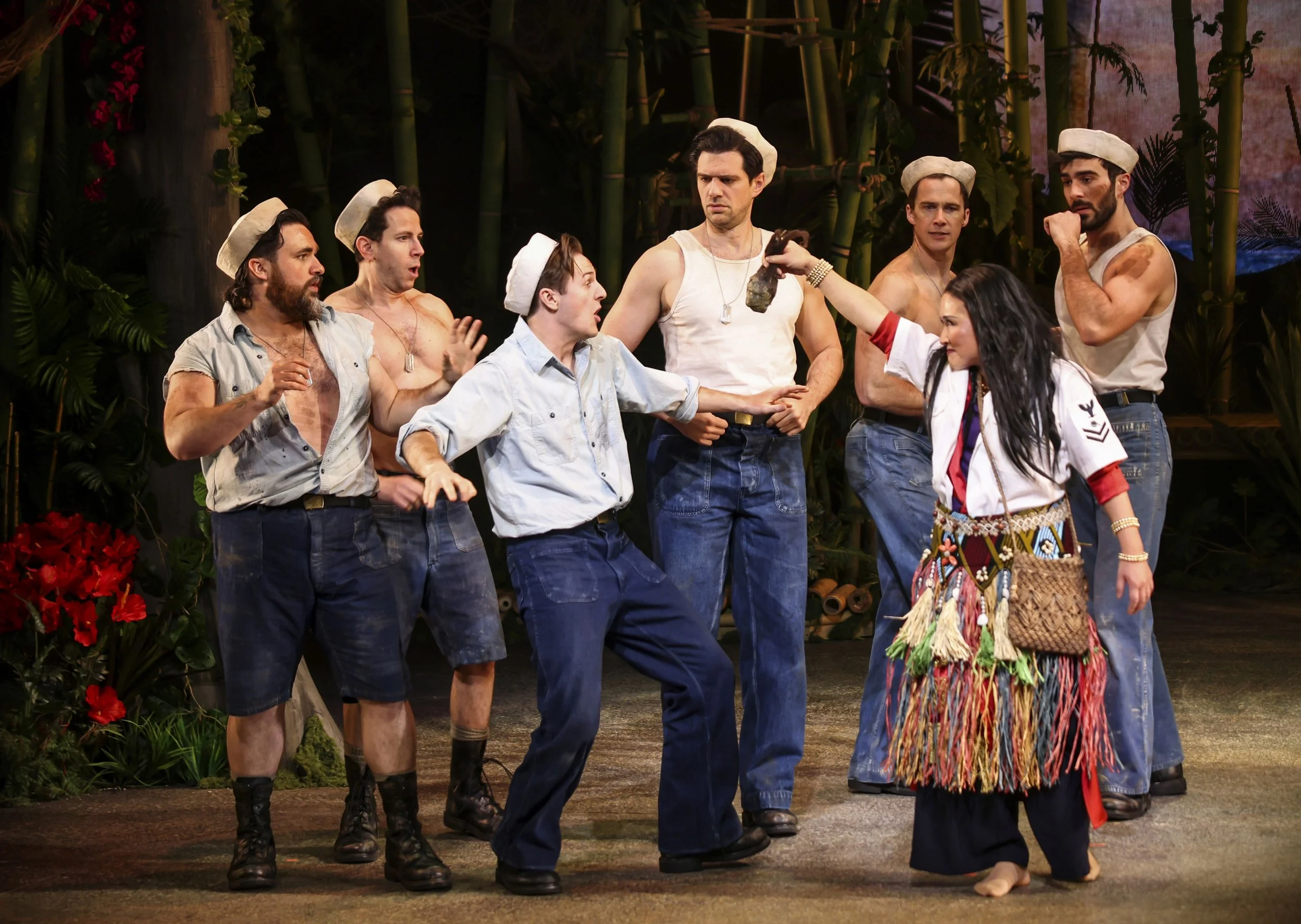
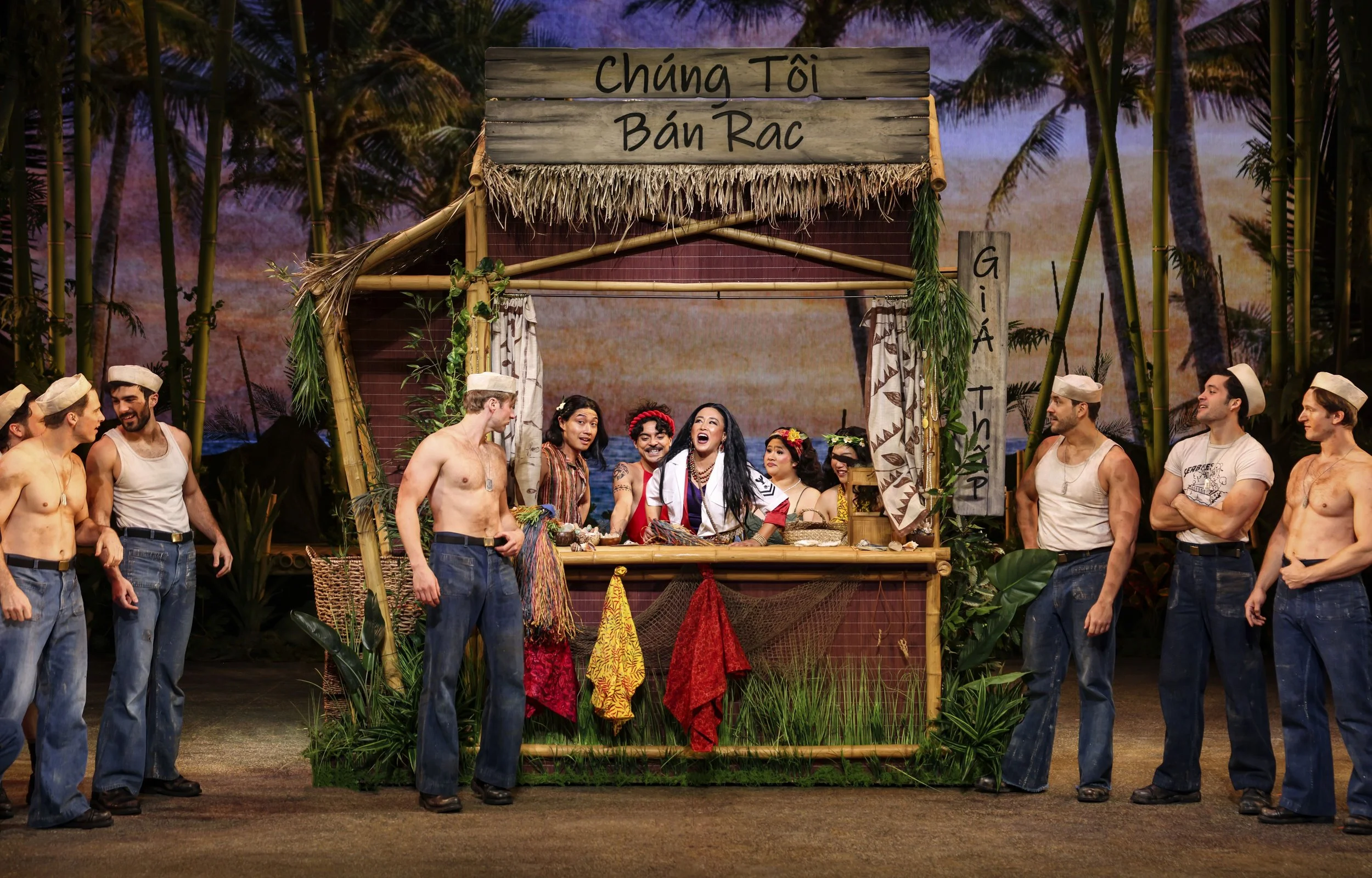
Rogers and Hammerstein's musical, South Pacific, is often regarded as one of the most socially aware productions in the theatrical canon. When it debuted in 1949, it sparked significant debate and controversy for its bold confrontation of racial issues prevalent during World War II. The musical courageously addressed the struggles of love and acceptance amidst the backdrop of wartime tensions, while also examining racism, receiving backlash particularly from the Jim Crow South. Through its compelling narrative and memorable songs, South Pacific challenged audiences to reflect on the injustices of discrimination and the factors shaping human relationships in a divided civilization, which, unfortunately, our current administration appears to be reintroducing certain elements back into our society. From the Book by Oscar Hammerstein II and Joshua Logan, adapted from the Pulitzer Prize-winning novel, "Tales of the South Pacific by James A. Michener, the iconic play narrates two parallel love stories, in which Nellie Forbush, an American nurse with a cheerful outlook, a self-described "cock-eyed optimist," falls in love with the charming French plantation owner, Emile De Becque. However, as their relationship deepens, Nellie is forced to confront her own ingrained prejudices regarding Emile's previous marriage to a woman of a different background. Simultaneously, Lieutenant Joseph Cable (Anthony Maggio) finds himself drawn to a young Tonkinese named Liat (Louisa Darr), the daughter of Bloody Mary (Cindy Chang), a shrewd entrepreneur, who seductively sings "Bali Ha'i," targeting Cable as a potential husband for her daughter, Liat, to secure a better future for her child by luring the lieutenant into marriage. Cable forms a hypnotic infatuation for Liat, but his feelings of love can't overcome his deep-seated racial prejudices, which he sings in the song "You've Got to Be Carefully Taught," which contends that racism is not innate but something learned and passed down through generations, something both American soldiers struggle to overcome.

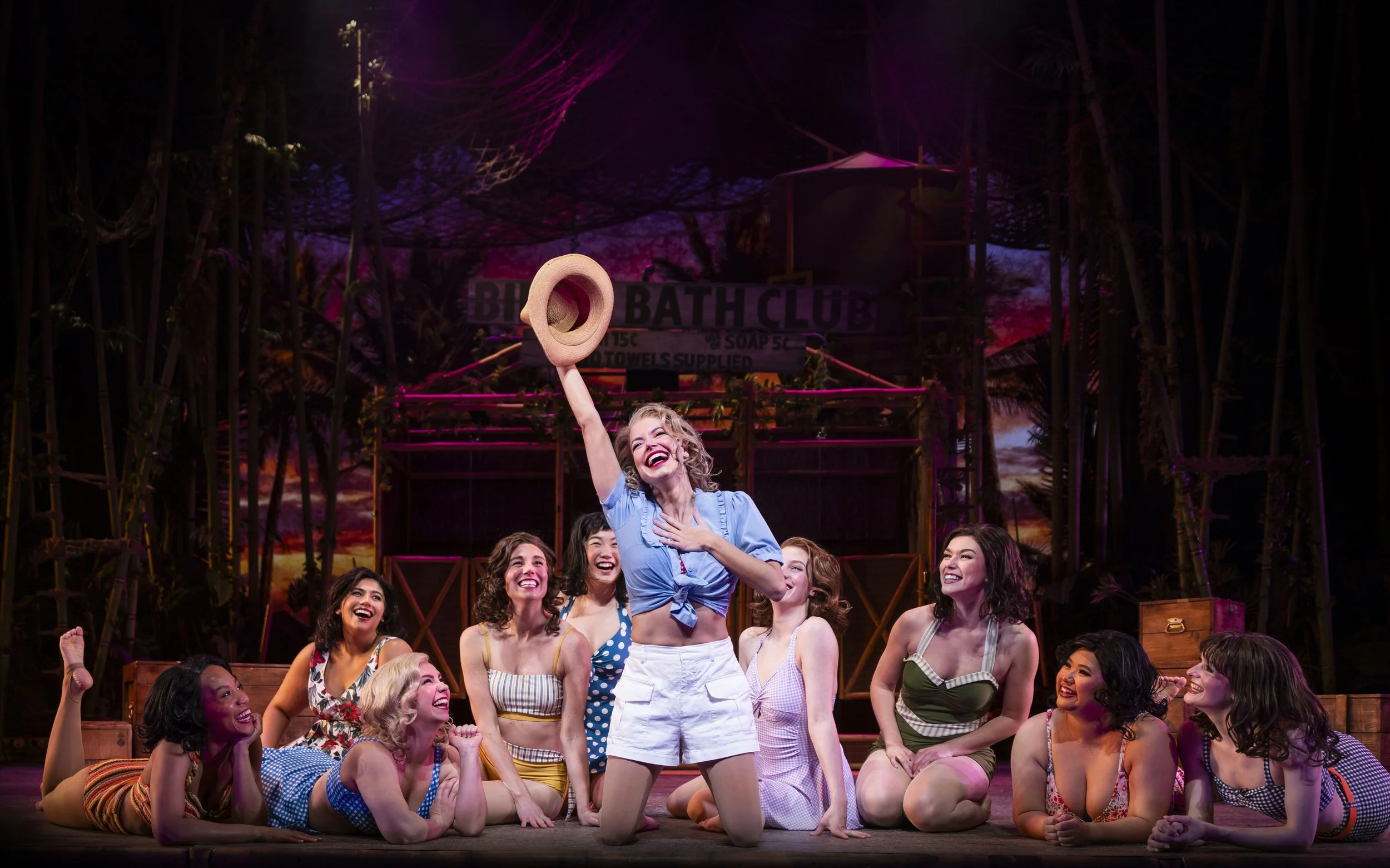
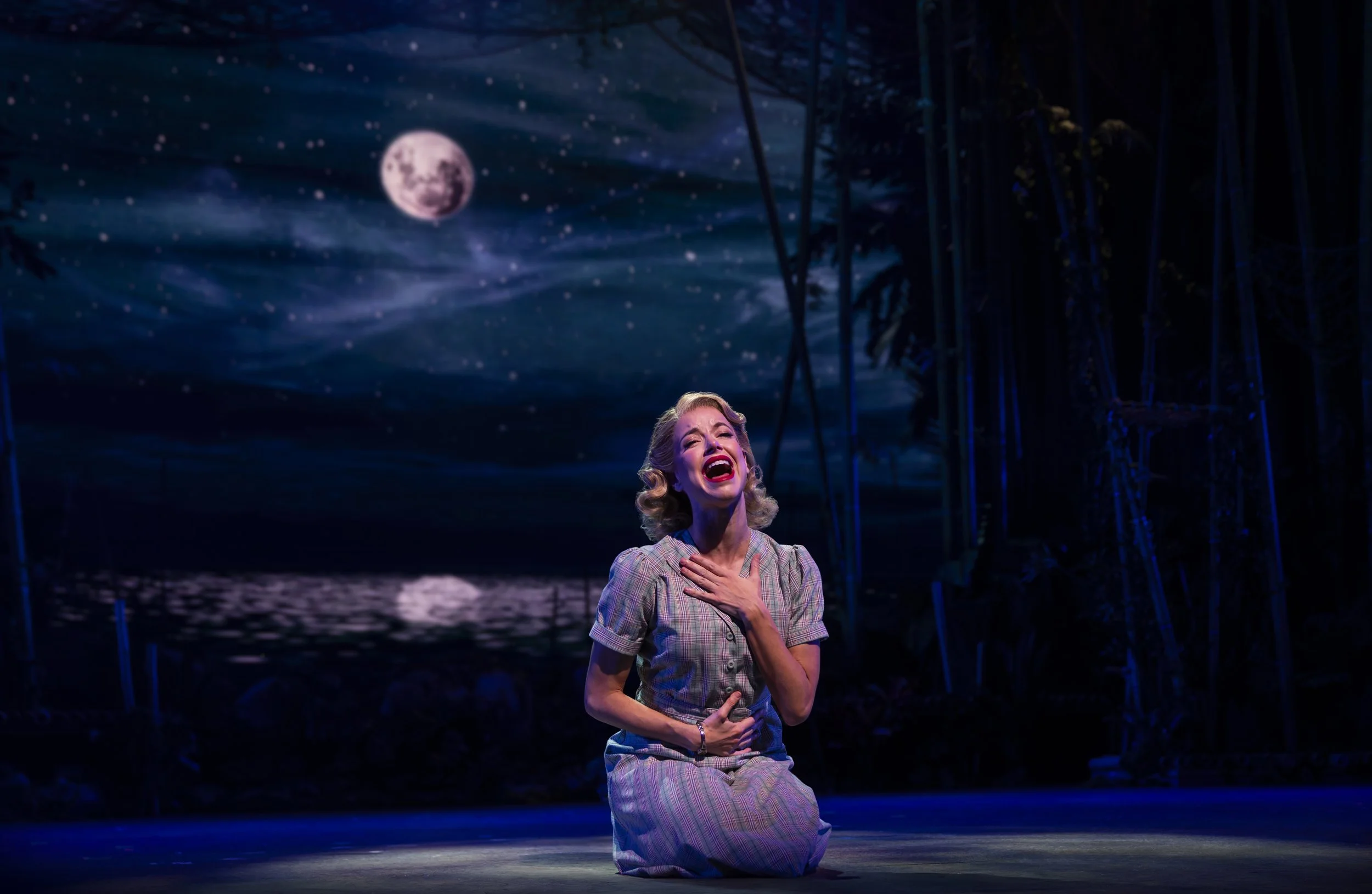
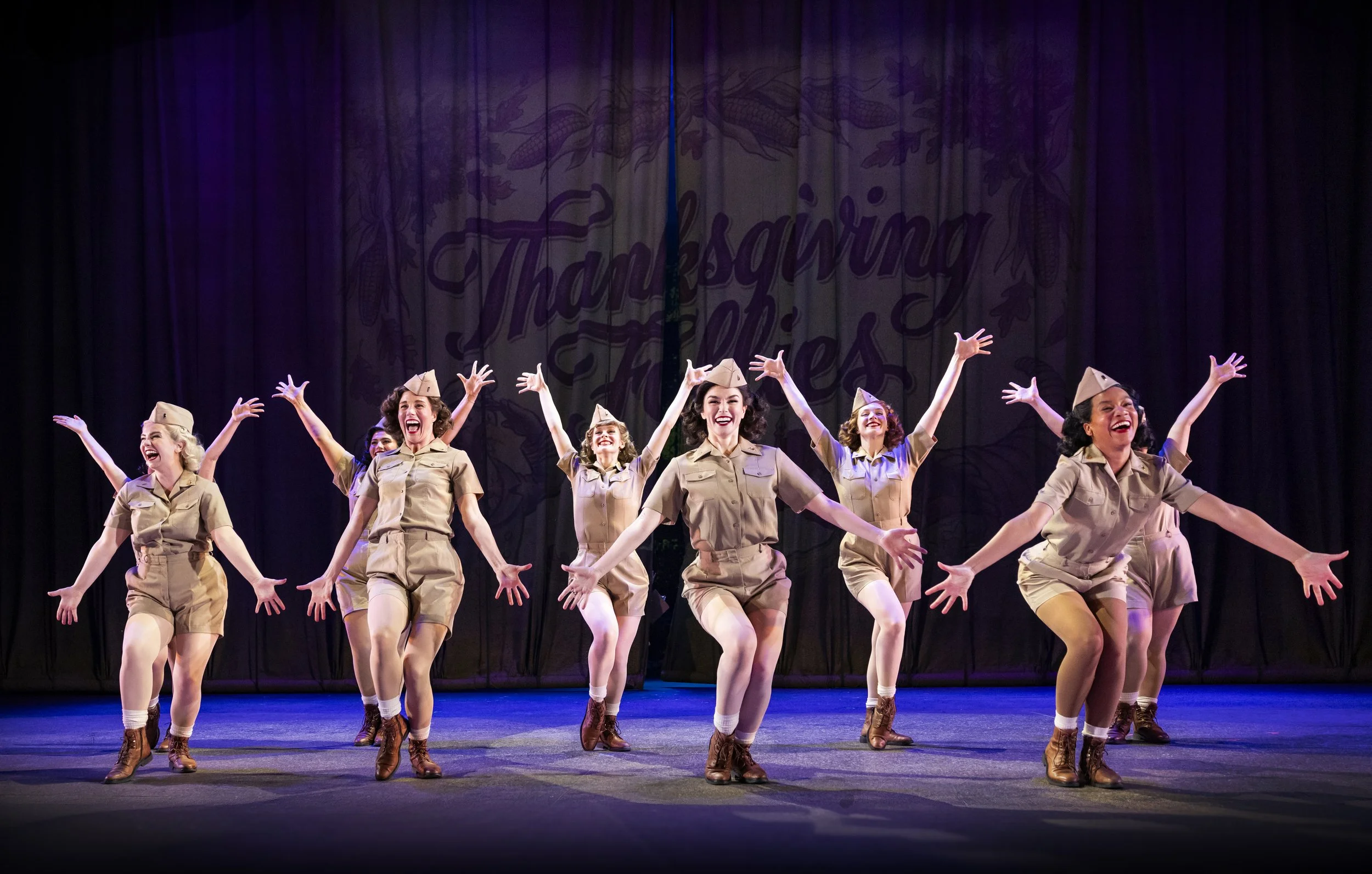
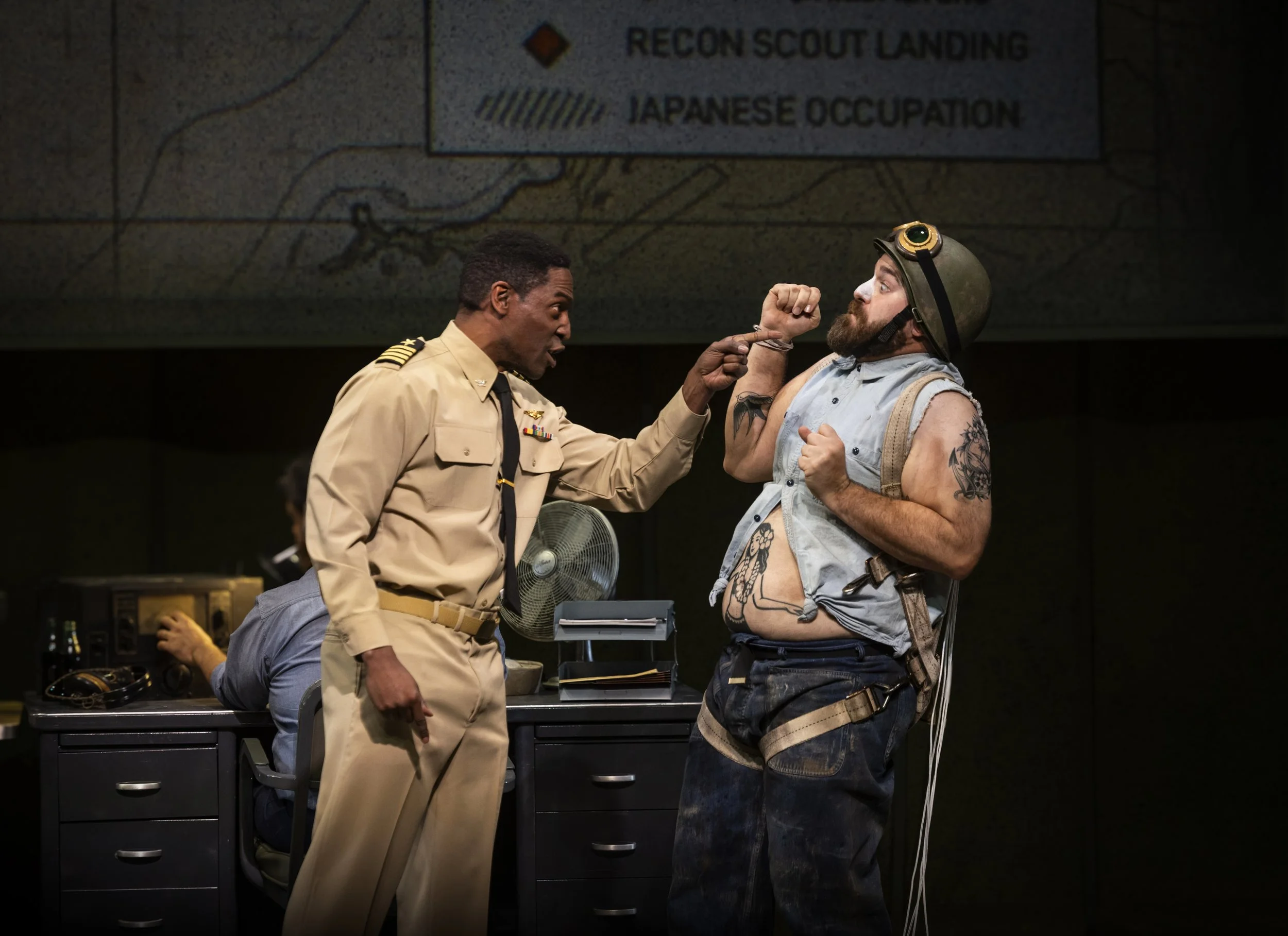
Allsun O'Malley, in the role of Nellie Forbush, and Devin Archer, as Emile De Becque, are both making their debuts with Paramount. Malley embodied the essence of country charm, a cheerful girl hailing from Little Rock, filled with curiosity and enthusiasm. She approached life as an energetic and eager optimist, ready to explore a world filled with complexities far beyond the confines of her small-town upbringing and the narrow cultural perspectives she had known. In contrast, Archer emerged as the personification of Emile, the romantic lead, serving as the story's moral compass—steadfast, wise, and deeply rooted in his values. Together, they navigate a narrative rich with challenges and revelations, each reflecting the intricacies of their contrasting backgrounds. While each delivered strong individual performances, their on-stage chemistry as two people falling in love fell short, lacking the dynamic connection in their scenes together and never reaching the sexy, electric, and natural romantic feel Rodgers & Hammerstein envisioned. The 36-member cast was outstanding. The ensemble singing those iconic South Pacific songs, Bali Ha'i, I'm Gonna Wash That Man Right Outa My Hair, and I'm In Love With A Wonderful Guy in this production is absolutely stellar. The soldiers singing "There Is Nothin' Like A Dame," Devin Archer singing "Some Enchanted Evening," and Anthony Maggio singing "Younger Than Springtime" capture that enchanting old-Hollywood vibe, adding a magical touch to the performance and making the entire experience sparkle! The male vocals were exceptional. Archer and Maggio's stunning operatic voices followed Rodgers and Hammerstein's original intent when they wrote the role of Emile specifically to showcase the legendary opera basso Ezio Pinza as Emile de Becque and the lyric tenor William Tabbert as Lieutenant Joseph Cable. Matthew Michael Janiesse was outstanding as the rolling tattooed belly,comic-relief Seabee, Luther Billis. His humorous antics led the fantastic crew of men, clamoring for more combat and excitement, and their eagerness to encounter women on the other island. The two child actors, Elle Laroco( Ngana) and Bennet Angsurat as Jerome, were adorable. The stunning backdrop of the South Pacific island not only created a captivating setting but also brought the vision narrative to life in a truly enchanting way.

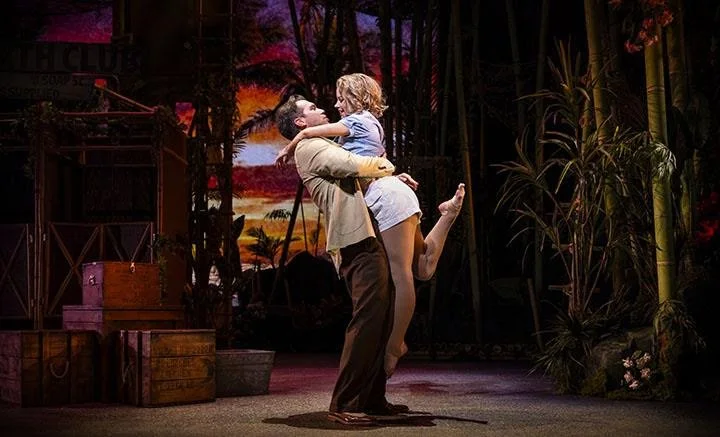
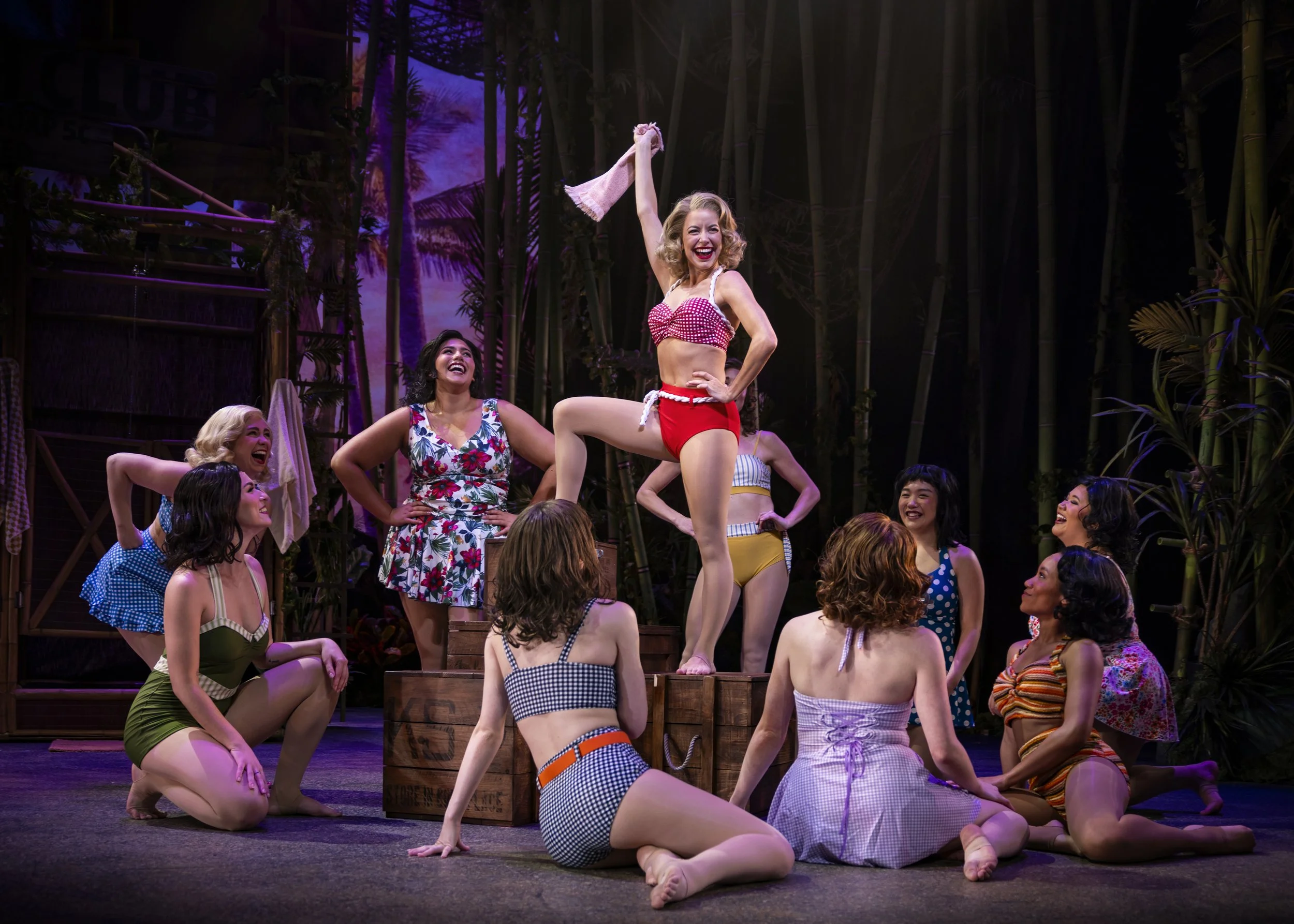
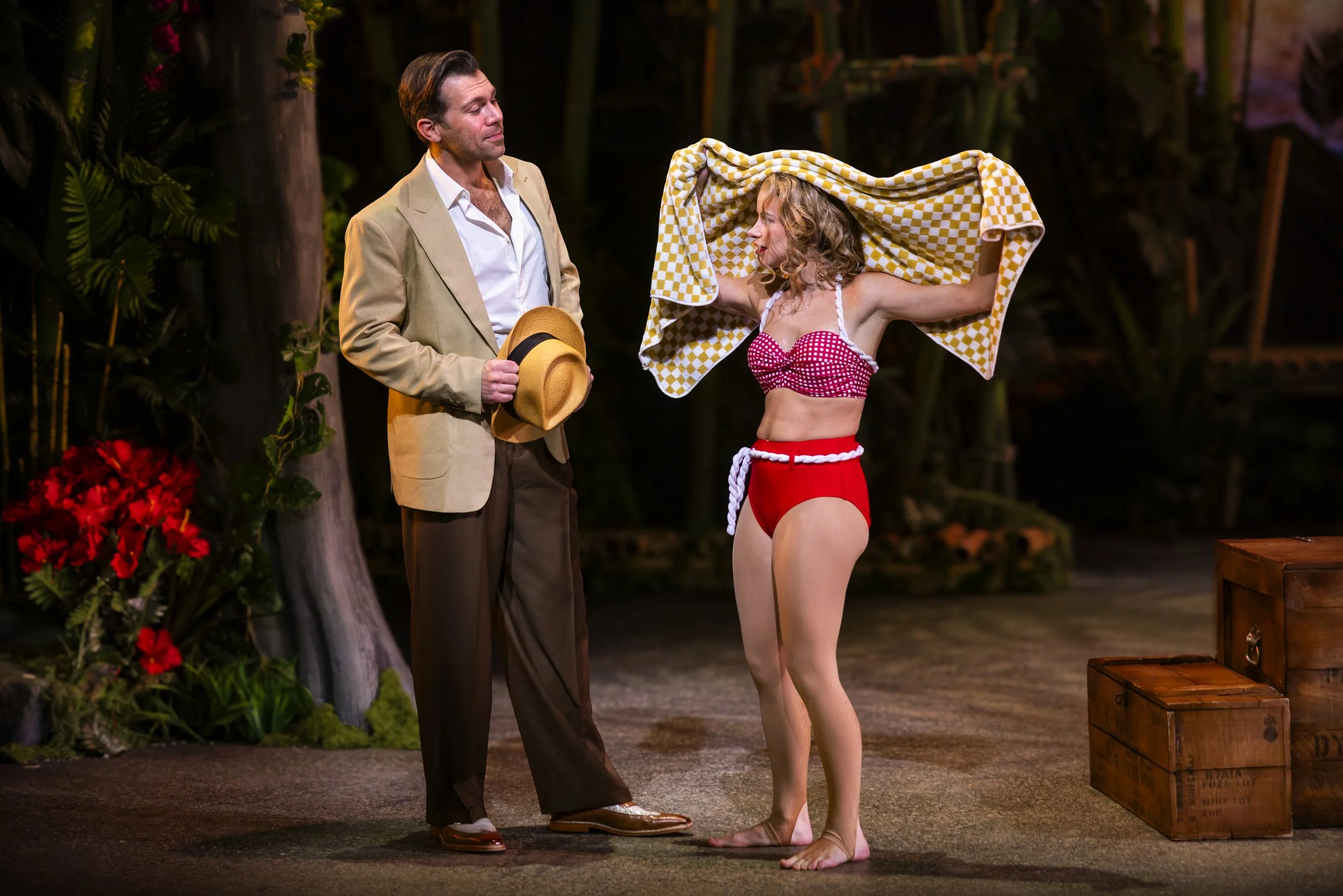
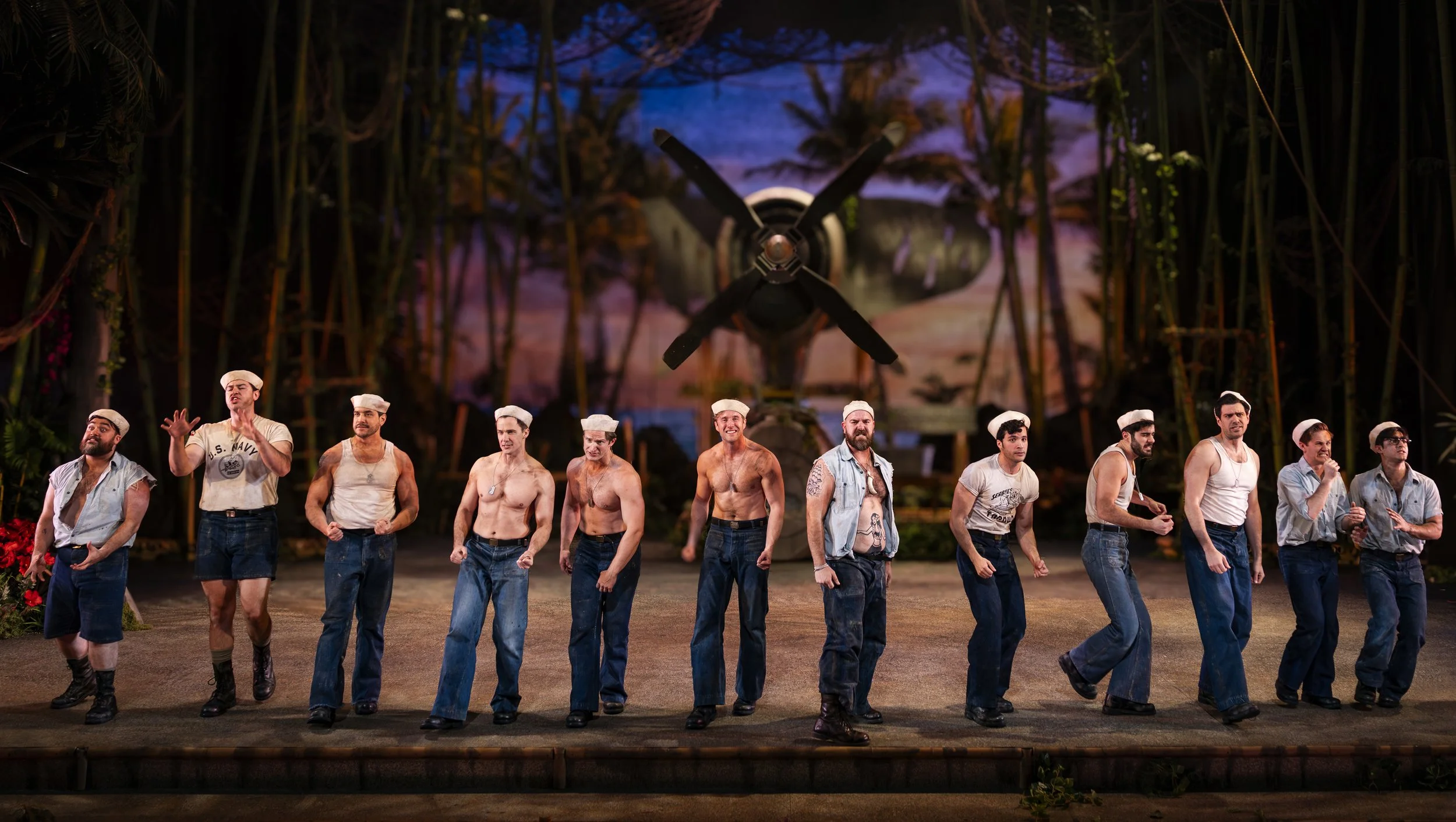
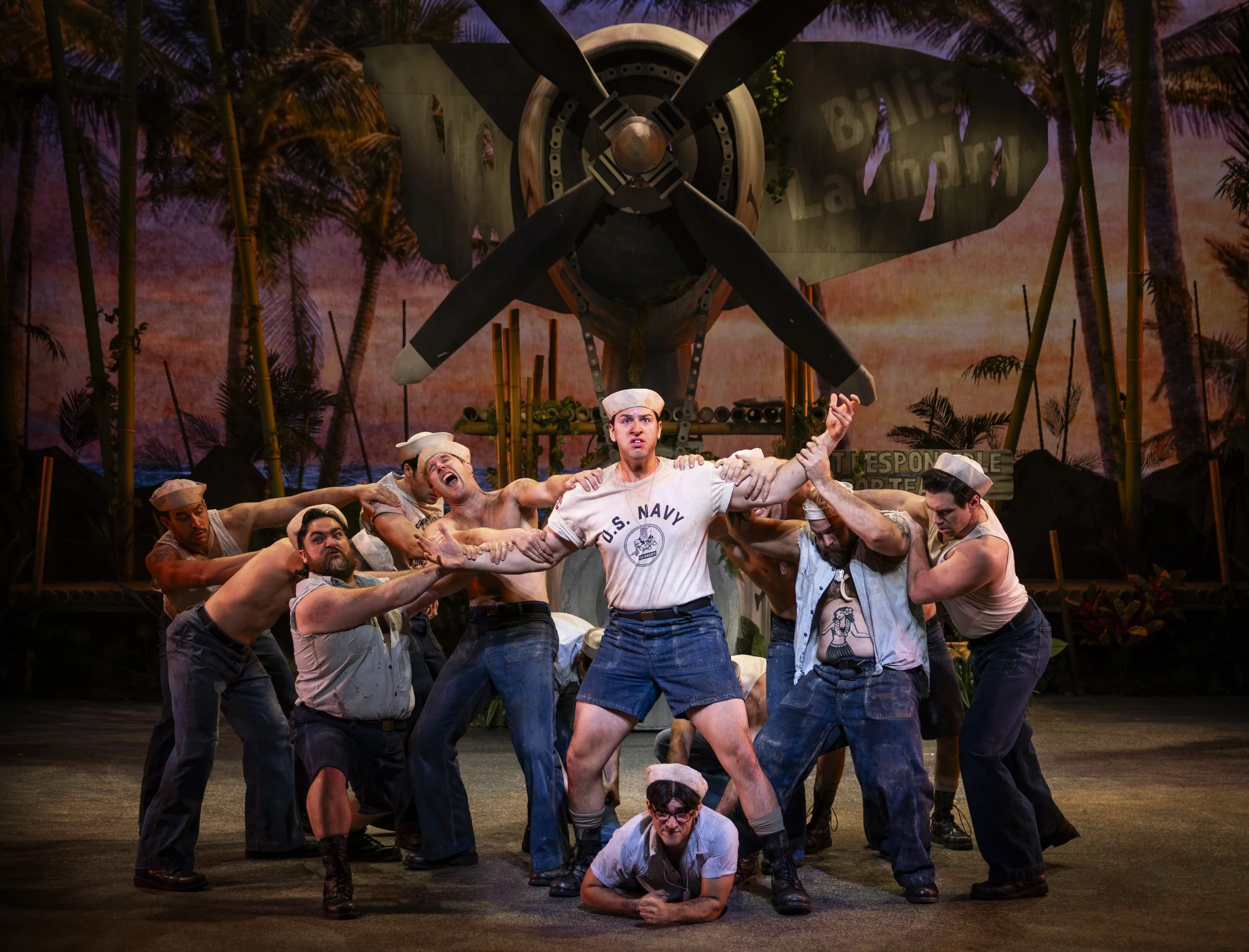
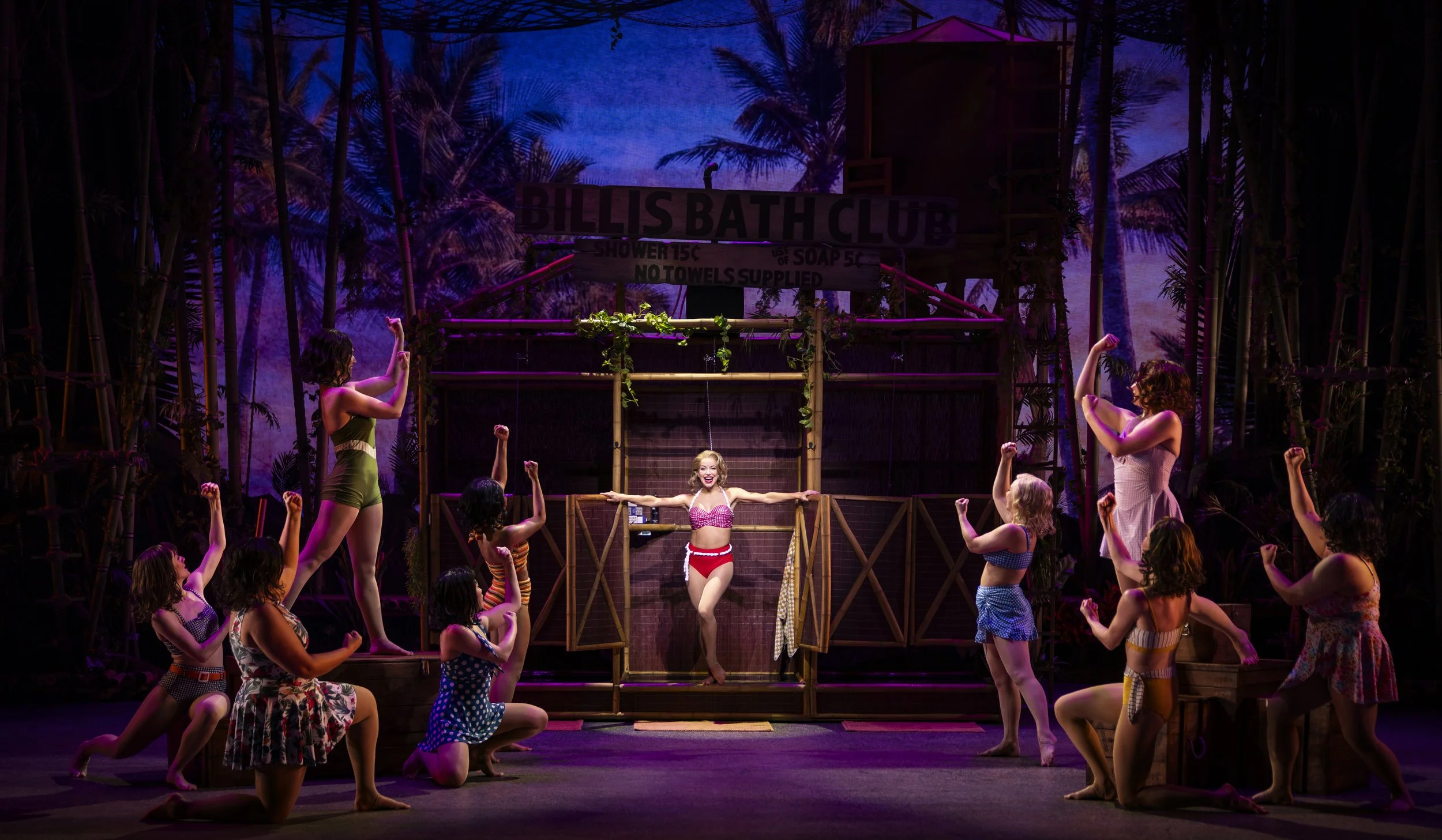

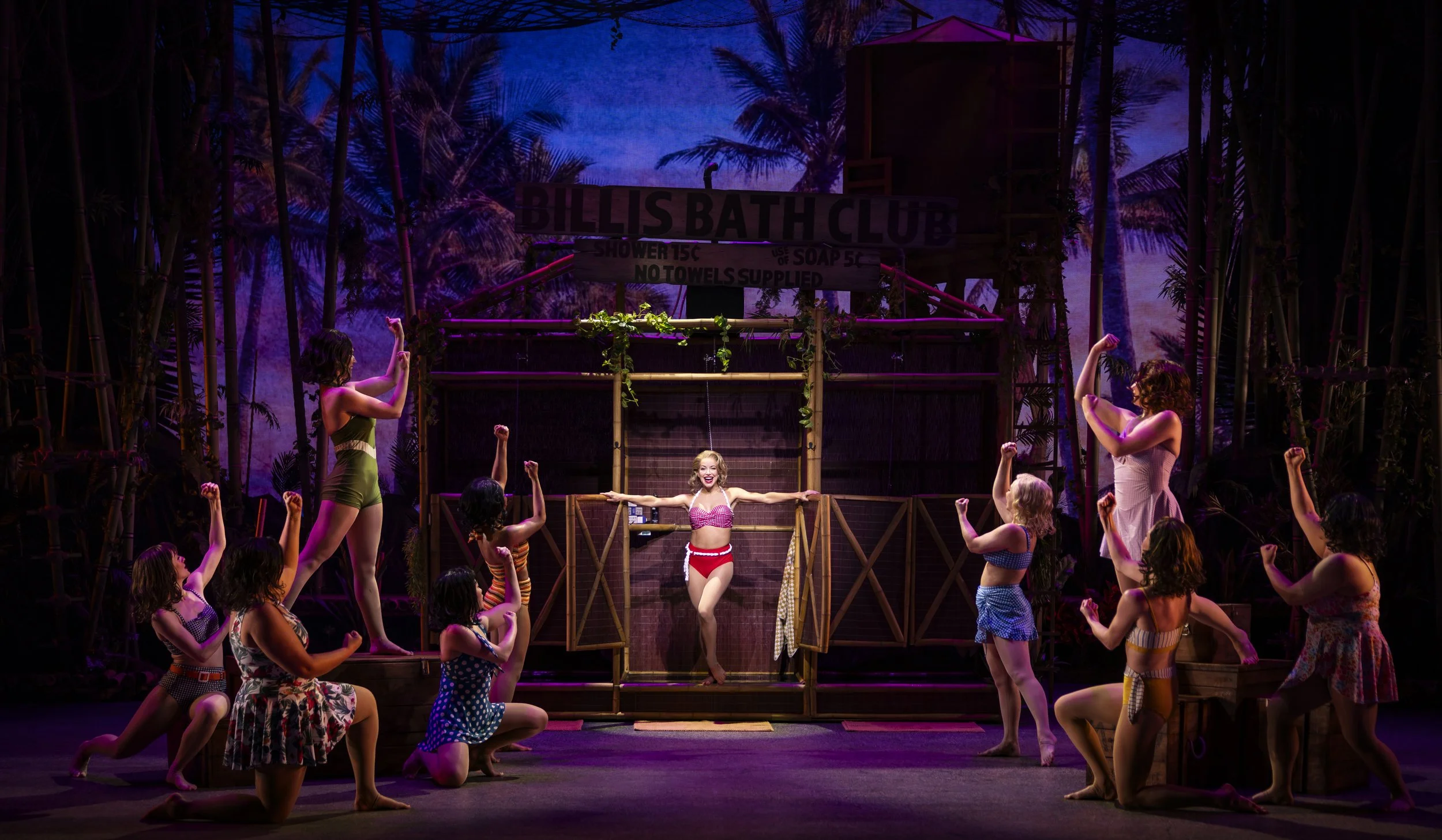
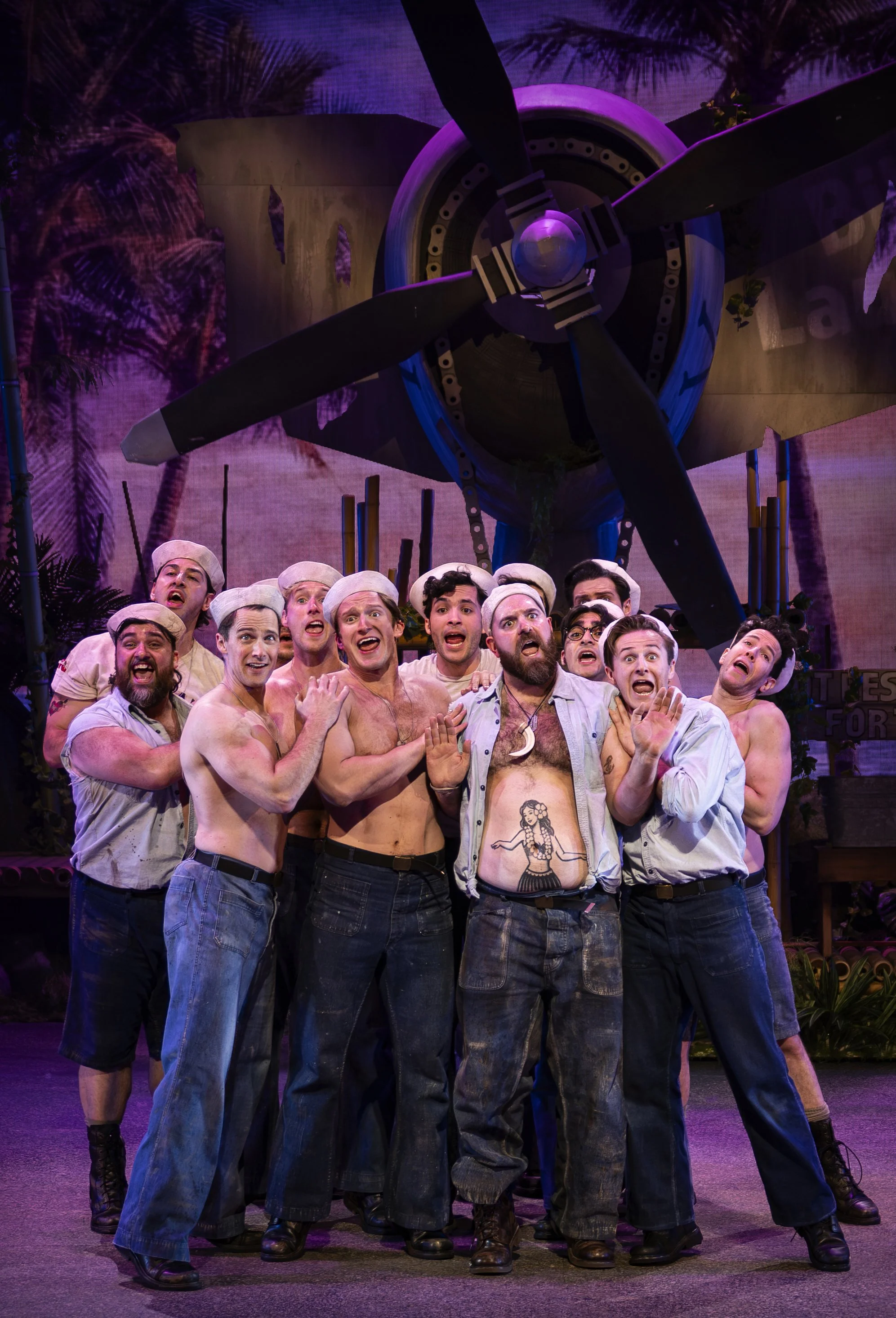
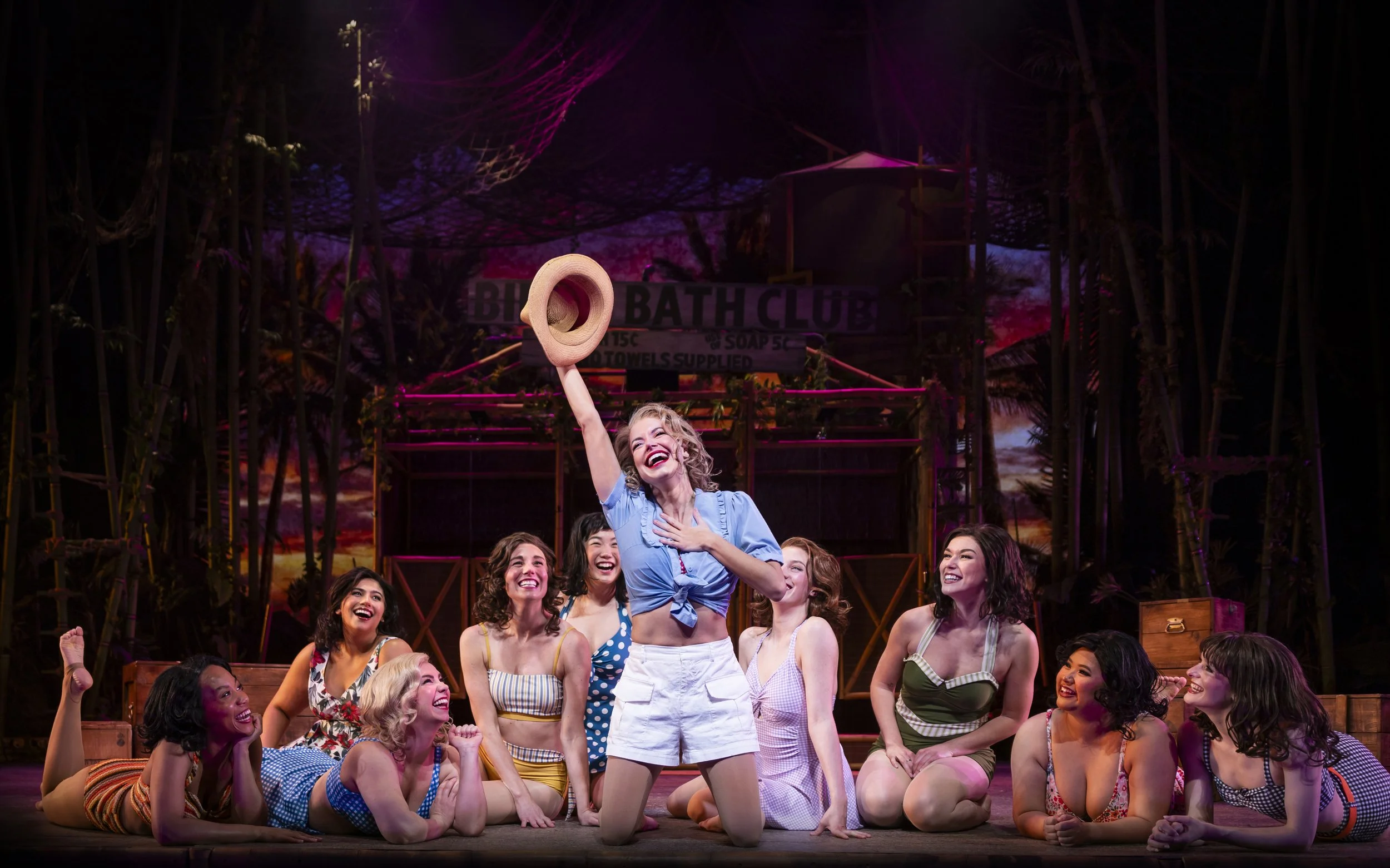
The play runs for nearly three hours and can feel quite lengthy. Most of the iconic songs and enthralling dialogue are concentrated in the first act. The second act shifts into deeper emotional turmoil, bringing a slower pace that makes it feel slower than the lively beginning. Moving elements of the first act's excitement into the second would create a more dynamic flow, removing the sense of stagnation and sluggishness in the two-part act and making it more engaging for audiences overall.
South Pacific is one of those productions where the theme of the play is more important than the acting. It shifted from the lighthearted musicals to more serious, socially conscious drama, changing how stories were told on the stage. Although the original play was deemed controversial for its exploration of prejudiced views, particularly through the song "You've Got to Be Carefully Taught," it doesn't delve deeply into the learned, developed biases and upbringings of Forbush and Cable. During its opening, critics and audiences deemed that the production had optimistic beliefs towards interracial relationships, which were frowned upon and considered a threat to the American way of life, and were shocked by its bluntness of racial themes, which shone a negative light on white American society. To their credit, Rodgers & Hammerstein stood firm against watering down the production, even when faced with significant pressure and the threat of financial ruin. What softened the blow for the audience was the play's amazing songs. Still, the tragedy of this play is that Cable is killed in war, never fulfilling his desire to marry Liat, and, even though we see Nellie and Emile together at the end of the play as a family with his children, they never actually get married, removing the stigma of racism through the power of love.
⭐⭐⭐
Paramount Theatre
Rogers & Hammerstein's
South Pacific
Book by Oscar Hammerstein II and Joshua Logan
Adapted from the Pulitzer Prize-winning novel
"Tales of the South Pacific" by James A. Michener
Music by Richard Rodgers
Lyrics by Oscar Hammerstein II
Directed by Devon Hayakawa and Trent Stark

Thanks for visiting our website. To purchase tickets, click on the above logo. Feel free to check out the reviews below!