When you come across the name Jason Alexander, Emmy and Tony Award winner, you can anticipate an experience bursting with sharp humor, a well-crafted script, and outstanding performances. His direction of "Fault" represents a remarkable partnership with playwright Scooter Pietsch, with whom he has previously collaborated on the compelling dark comedy Windfall. Together, they form a perfect example of a dynamic partnership, creating a foundation for a masterclass in theater that showcases storytelling at its finest. Alexander, coming off his Broadway directorial debut with The Cottage in 2023,directs this world premiere theatrical event in his return to Chicago Shakespeare Theater after 2024's smash-hit Judgment Day. Renowned for his impeccable comedic timing from his iconic role in Seinfeld, Alexander brilliantly brings out the quick wit and the crude shift from laughter to the disturbing stories of marital trauma. Pietsch masterfully uses his background in television and film in this production, crafting a compelling narrative that turns intimacy into a psychological cat-and-mouse game of combat, culminating in a level of honestyso enthralling and surreal that it's truly captivating. The play begins when a husband (Jerry) returns home early after sealing one of the largest and highest-priced company mergers in history, only to find his wife (Lucy) with a younger lover.After Jerry chased him with a sword stick, he ran into a wall and fell unconscious on the floor. Jerry and Lucy place him in a chair, where Jerry shackles his arms with locks, preventing him from leaving. With securing the biggest total of 200 billion dollars, his lifelong dream of success had finally come true, and he would never again be known as someone with great potential who, unfortunately, he had never met. Lucy, who has worked hard with Jerry, crunching the numbers and drafting the contracts for Jerry's mergers, tries to minimize her night of indifference and divert the conversation back to Jerry's big windfall, where he is scheduled to receive two billion dollars from the merger, but Jerry has other plans. He turns the night into a psychological courtroom drama, forcing the young, one-night stand lover, whose name is Shaun, to judge who is truly at fault for the collapse of their 30-year marriage.
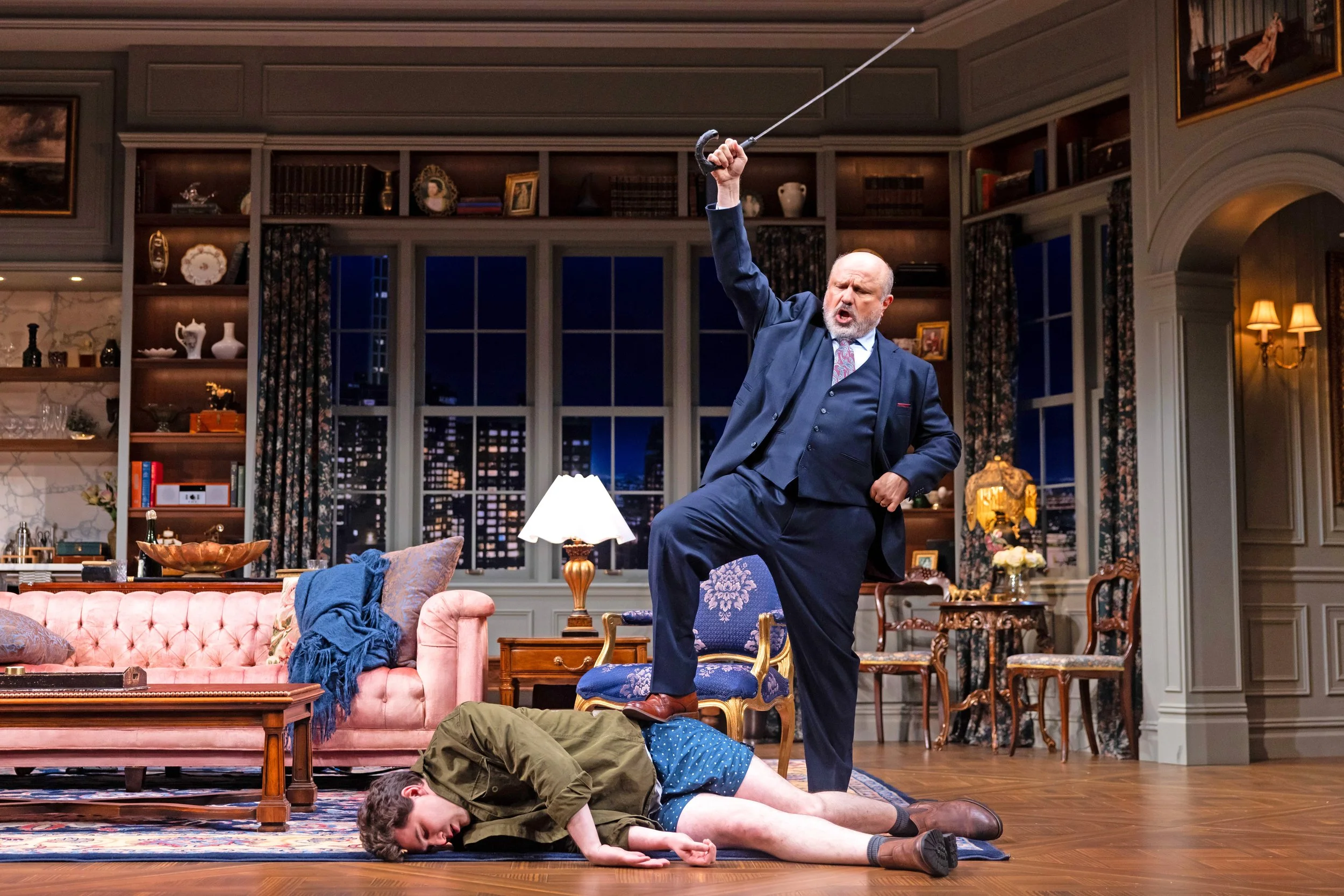

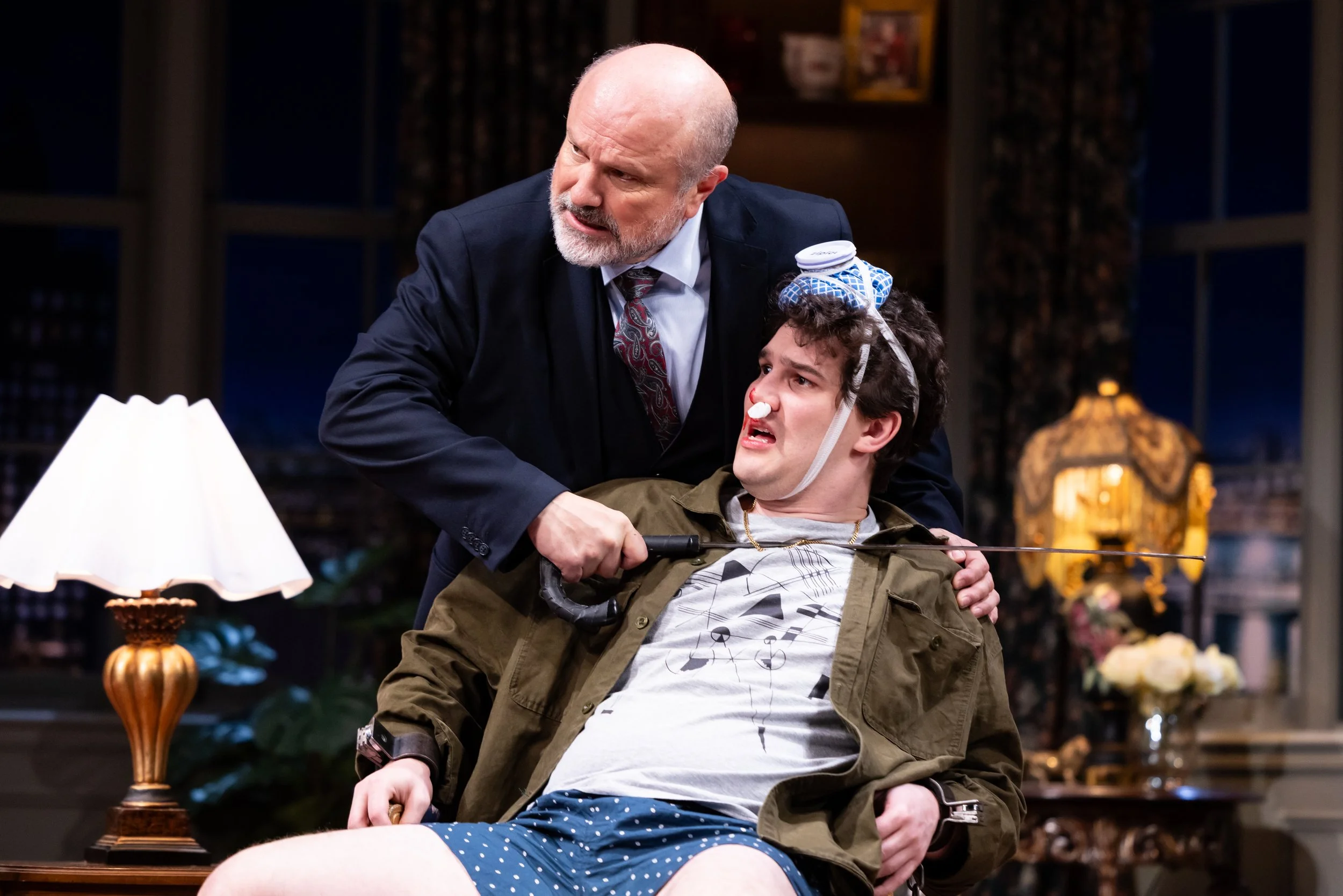
Still fearing the consequences of getting caught, Shaun was hesitant, believing that both were insane and extremely reckless for asking him to join their wild game, until Jerry made him a once-in-a-lifetime proposition—a staggering offer of a million dollars and the promise of freedom—if he would be their judge. The temptation was overwhelming, especially when Jerry insisted that all Shaun had to do was choose who among them was at fault. Shaun ultimately surrendered to the allure of wealth and his release. Once you manage to overlook the sheer absurdity of a man discovering his wife in a sexual liaison with another man in their own home, where he begins the conversation of negotiation, that doesn't start with him screaming the words, "I'm going to kill you," you begin to appreciate this intriguing script.
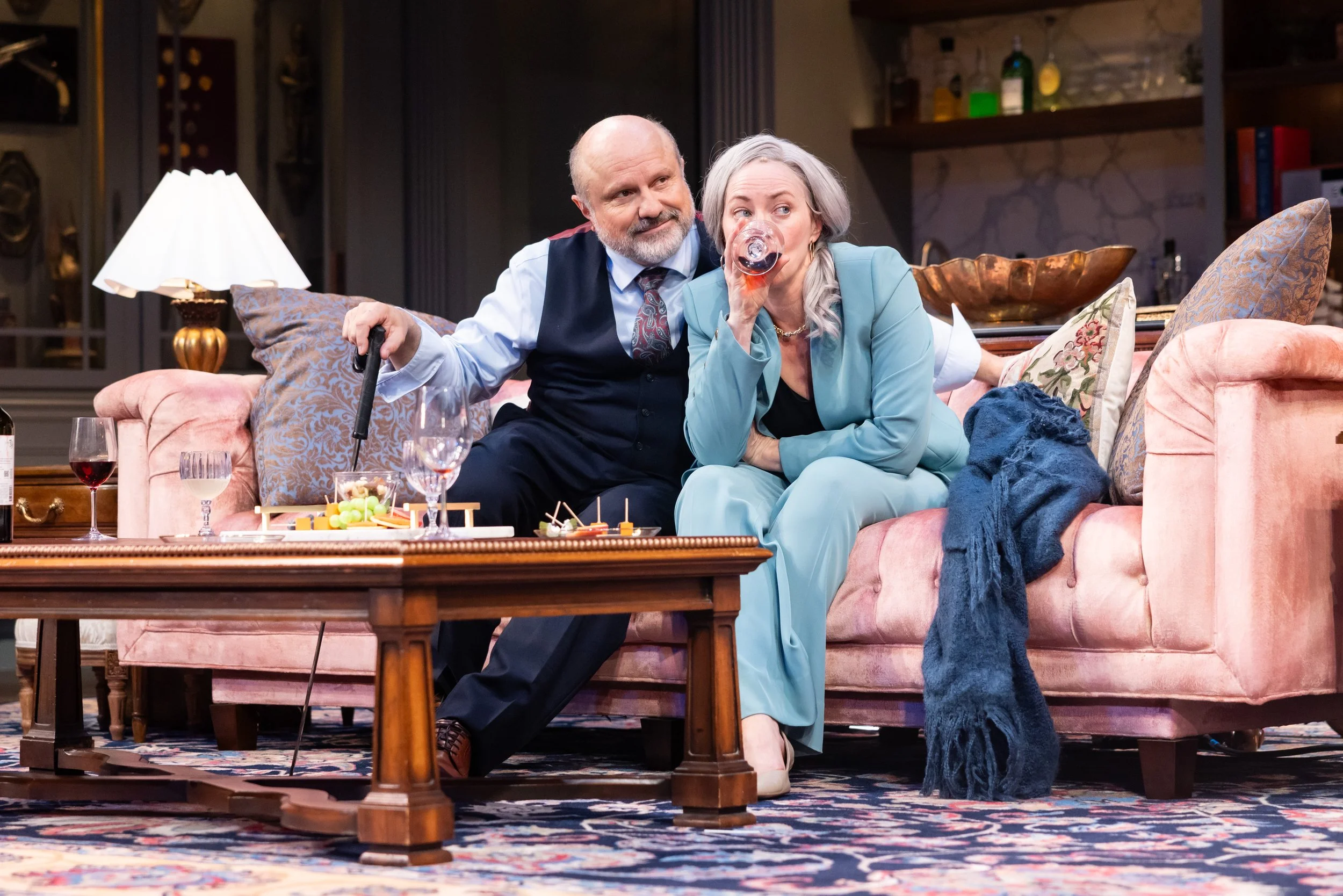
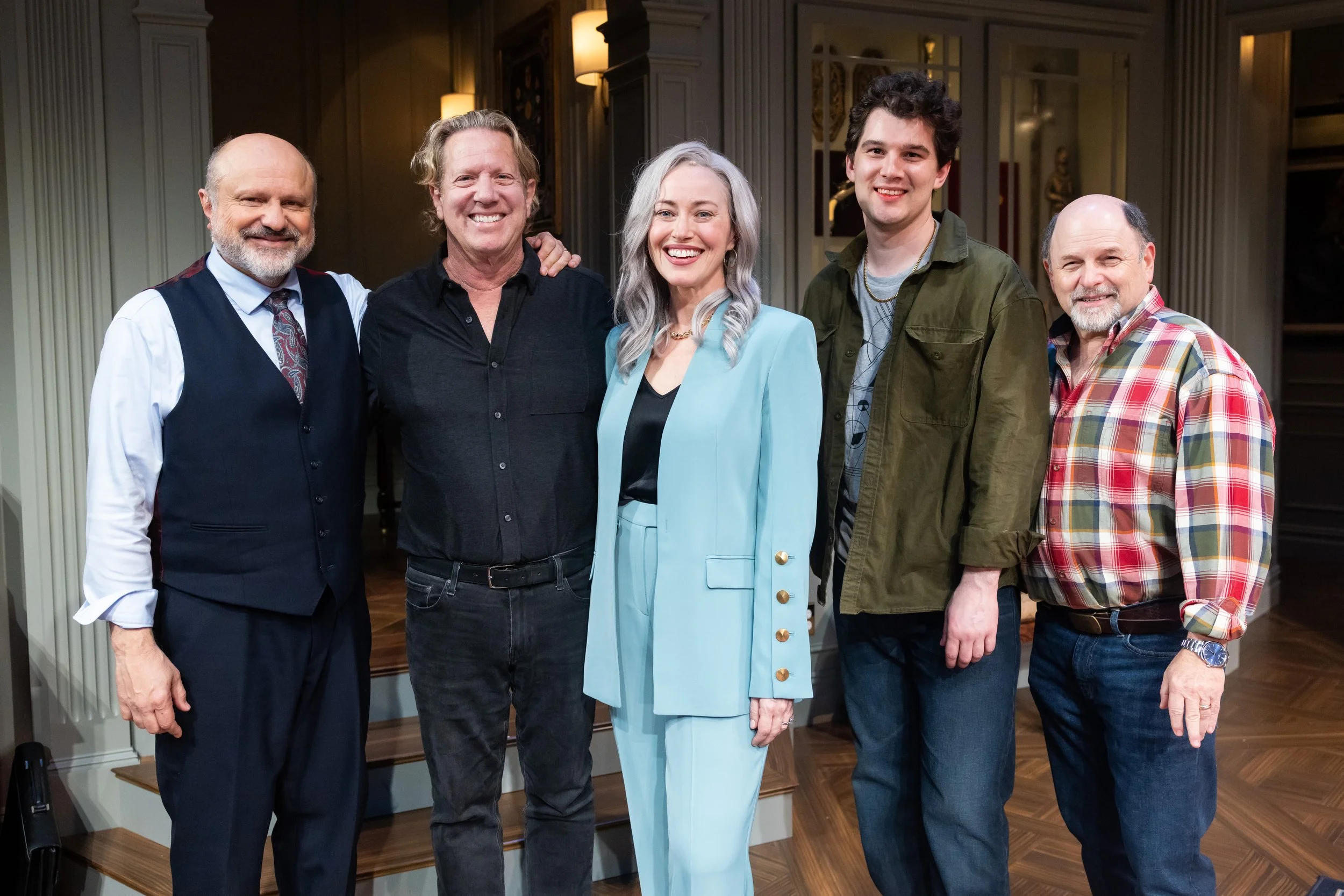
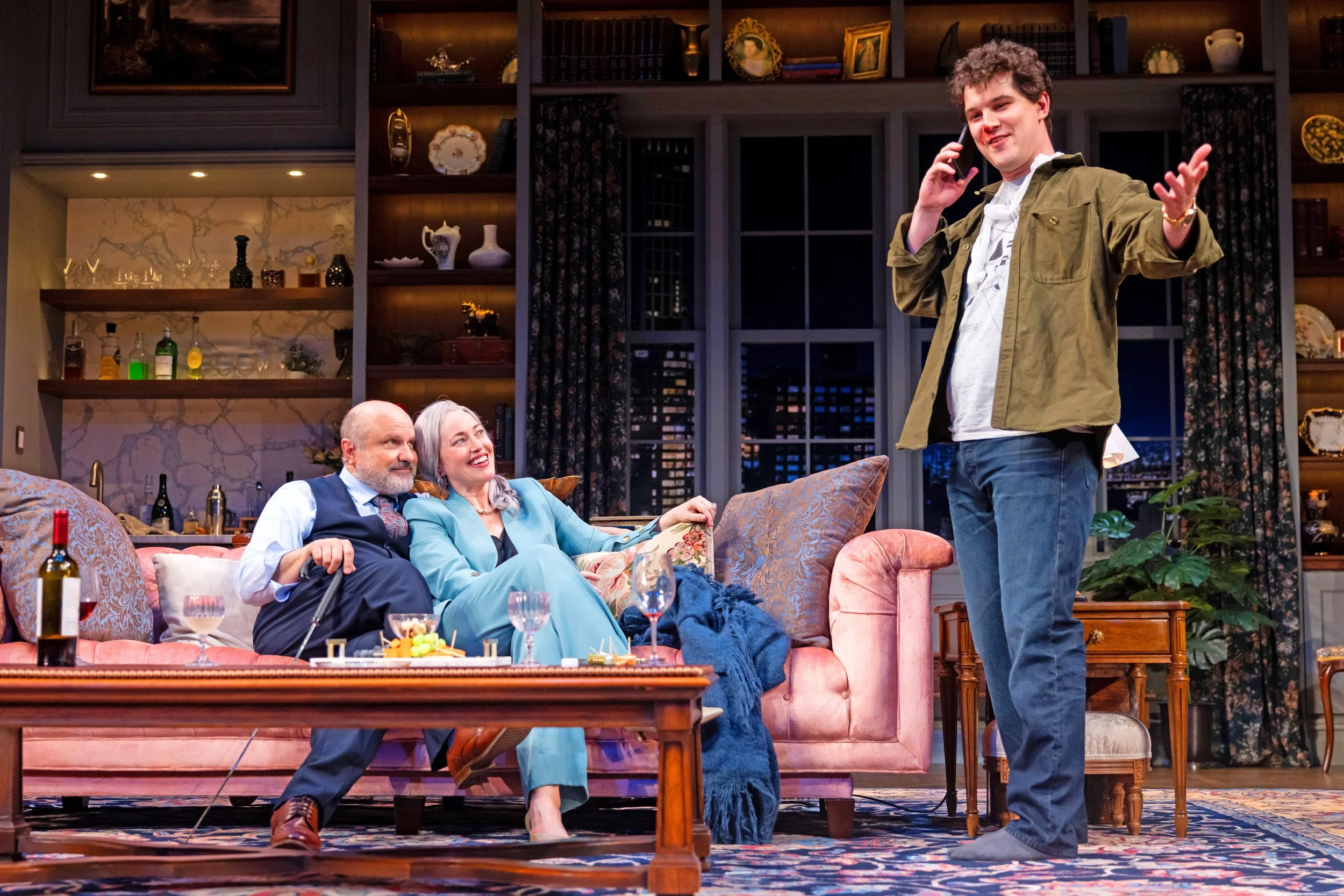
Each actor delivered exceptional performances. The cast, featuring the talented Enrico Colantoni as the charismatic Jerry, the captivating presence of Rebecca Spence as the strong-willed, highly intelligent Lucy, and Nick Marini as the naive young stud, Shaun, brought their characters to life with remarkable skill. The chemistry between Colantoni and Spence was magical, and their sharp, witty banter was rich and priceless. As they focused more on who was to blame, they began to hurl barbs at one another. Much of their conflict stems from what Jerry and Lucy were willing to sacrifice or hide to achieve their social and professional status. Their depiction of two married individuals who dismiss unrealistic ideals and fantasies of a perfect marriage comes off as genuinely authentic and relatable, and their struggles and unpretentious understanding of the imperfections in their relationship paint a vivid picture of the realities many couples face within the walls of their homes. Shaun, a character played handsomely by Marini, the third wheel caught in a web of circumstances beyond his control and driven to reclaim his autonomy, does a superb job realizing that with each passing moment, Shaun becomes more aware of the couple's turbulent lifestyle and the peril around him, compelling him to move swiftly through their testimonies to avoid the risk of being ensnared by guilt from association.
The tone shifts dramatically when Lucy recounts her day and why she made the foolish mistake with Shaun, revealing her betrayal by someone she had mentored. She articulates the challenging reality for women in the corporate world—a landscape that often prioritizes youth and beauty over intelligence and experience. She also shares the devastation of betrayal she felt when Jerry stepped out on their marriage after failing to close a big merger, leading her to reveal that she sabotaged the merger, concerned that the overall deals weren't working by the numbers, which ultimately caused Jerry to go into a deep depression, doubting himself and solidifying his thoughts that she lost faith in him. The script deftly explored the intricacies of human interaction, revealing the characters' struggles as they navigated a series of uncomfortable and challenging situations, as well as the real-life dramas and the darker sides of love and marriage. It wonderfully highlights themes of career ambitions and how having a strong desire, drive, and determination to achieve specific professional goals can affect one's mental and emotional health. Fault brings to light one couple's long-buried professional and personal betrayals and marital battles. The play poses a central question: Is total honesty actually the "backbone" of a relationship, or is it the very thing that destroys it, which shaun unfortunatley learns during a scene where he calls his fiancé, revealing that the most dangerous faults are not rooted in the pursuit of happiness or the practice of honesty; rather, the true danger lies in the inability to navigate the challenges that arise within relationships and in knowing when to share the truth that can heal or end a relationship. The drama unfolds over a single, increasingly chaotic night that ends when the couple finally reconciles their issues and determines who was actually at fault for ruining Jerry's outstanding news.
Fault is truly one of the top plays of the year. With its crackling satire, comedic timing, and whirlwind of rapid-fire dialogue, it's an exhilarating 90 minutes of pure theatrical brilliance that you won't want to miss.
⭐⭐⭐⭐
Chicago Shakespeare Theater
FAULT
Written by Scooter Piersch
Directed by Jason Alexander
APR 18–MAY 24, 2026

Thanks for visiting our website. For tickets, please click on the above logo and for additional reviews,click below.