HAMNET
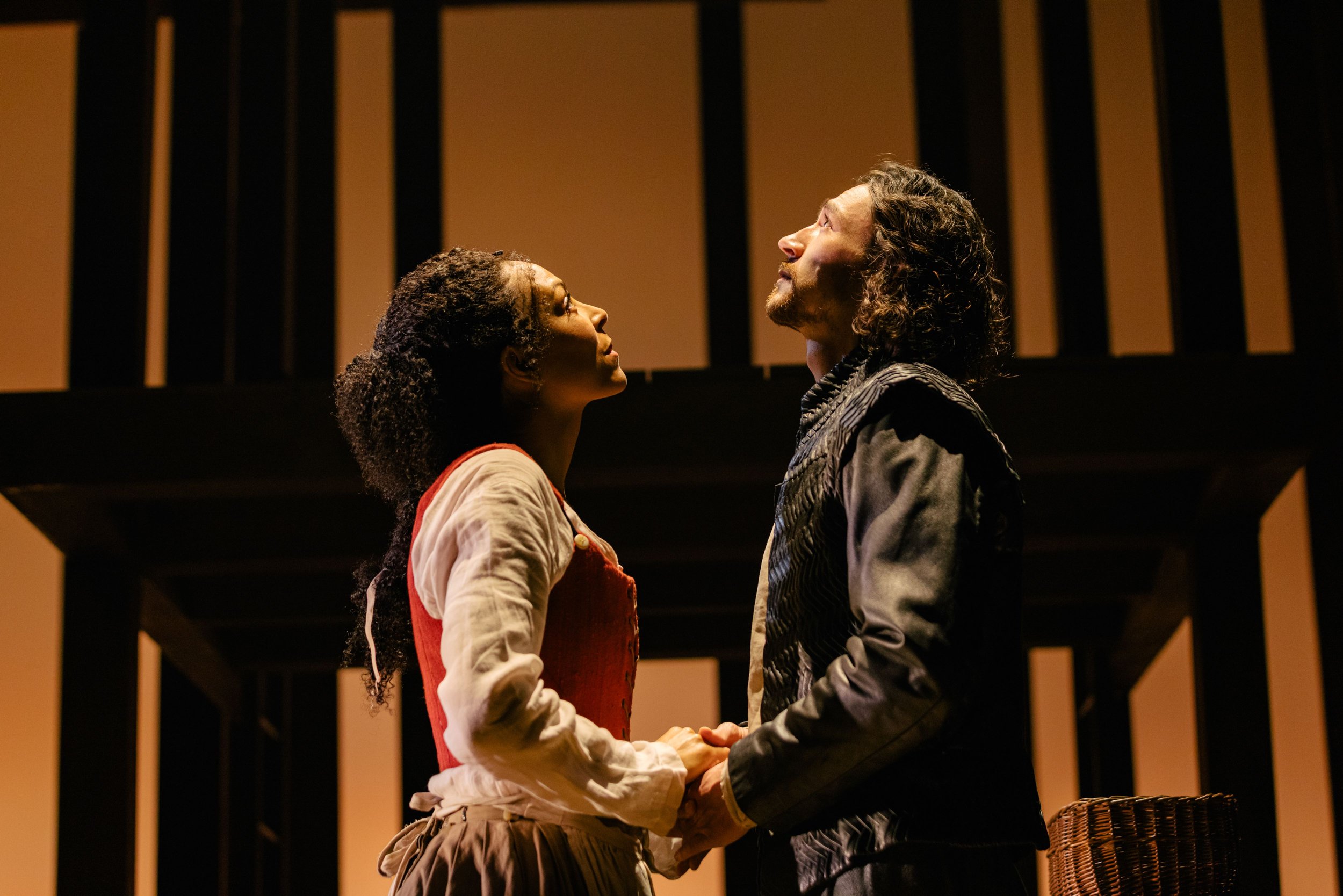
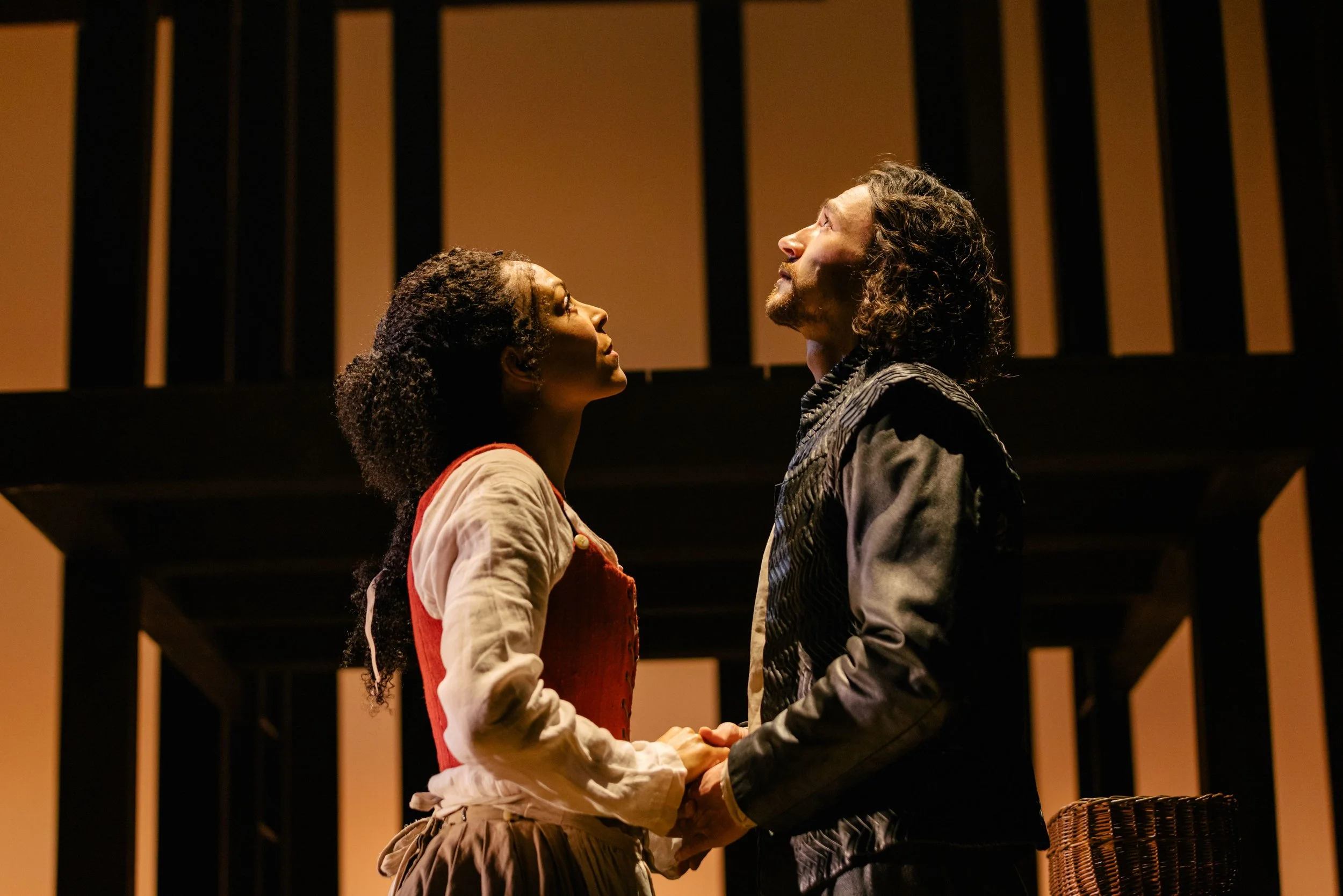
Critically acclaimed novelist and memoirist Maggie O'Farrell, known for her emotionally intimate and lyrical storytelling, takes on a story about the "Bard of Avon," William Shakespeare, known as one of the greatest poets and playwrights, in a reimaged story of his life through the lens of his wife, Anne Hathaway (Agnes). From her book Hamnet, award-winning actress and playwright Lolita Chakrabarti brings O'Farrell's fictional story to life in her adapted play, where she tells the story of Hamnet from the perspectives of Agnes, her love for her husband William, and her children, Susanna and her twins, Hamnet and Judith. Although little is known about Anne Hathaway, O'Farrell describes her as an intuitively gifted individual, with a connection to nature, who uses healing herbs and has a spiritual ability to see into people's souls. Some perceive her as a witch or an eccentric woman who employs uncommon herbal remedies, hears voices, and communicates with unseen beings while wandering in the woods. Although the play is titled Hamnet, which explores the life and death of William Shakespeare's only son, who died at age 11, Chakrabarti's exceptional narrative allows the audience to humanize Hamnet's mother, Agnes, from the historically shrewish reputation of being an illiterate woman who trapped Shakespeare into marriage by getting pregnant. Her adaptation follows O'Farrell's depiction of Agnes, providing a more intellectual, strong-willed woman who is the backbone of the family and Shakespeare's inspiration. The play begins at a slow pace, setting the scene for how William and Agnes meet and giving the audience a glimpse of the struggles they encountered within their family structure. Agnes lost her mother, and her stepmother was cruel and demeaning. William's father was a mean-spirited, bitter man and an outcast in his community. William, whom his father describes as a lazy dreamer, meets Agnes in the woods while she is with her kestrel (falcon). The two begin a courtship. Agnes describes William as a person carved from space and water, stating something would have to break before he could be free.
When Agnes's stepmother, Joan, discovers that she is pregnant, she is disgusted and views the situation as unholy. She attempts to throw Agnes out of the house, but Agnes's brother Bartholomew, Joan's husband, intervenes and forbids it. Instead, he takes Agnes to inform William's family about the pregnancy. They arrange for Agnes and William to marry and move into William's family home. Agnes tells William that they will have two children; however, after the birth of Susanna, she has twins, Hamnet and Judith.

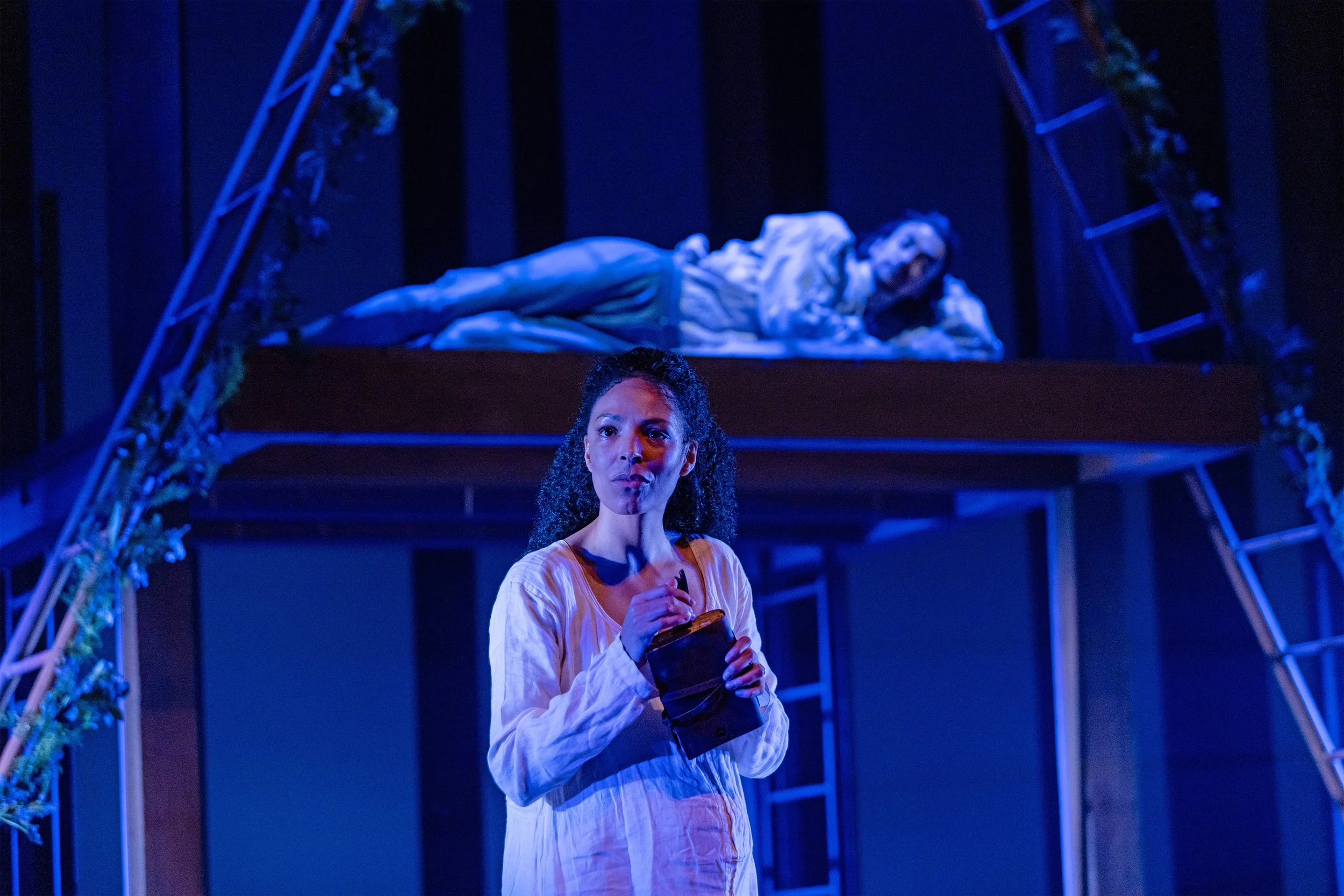
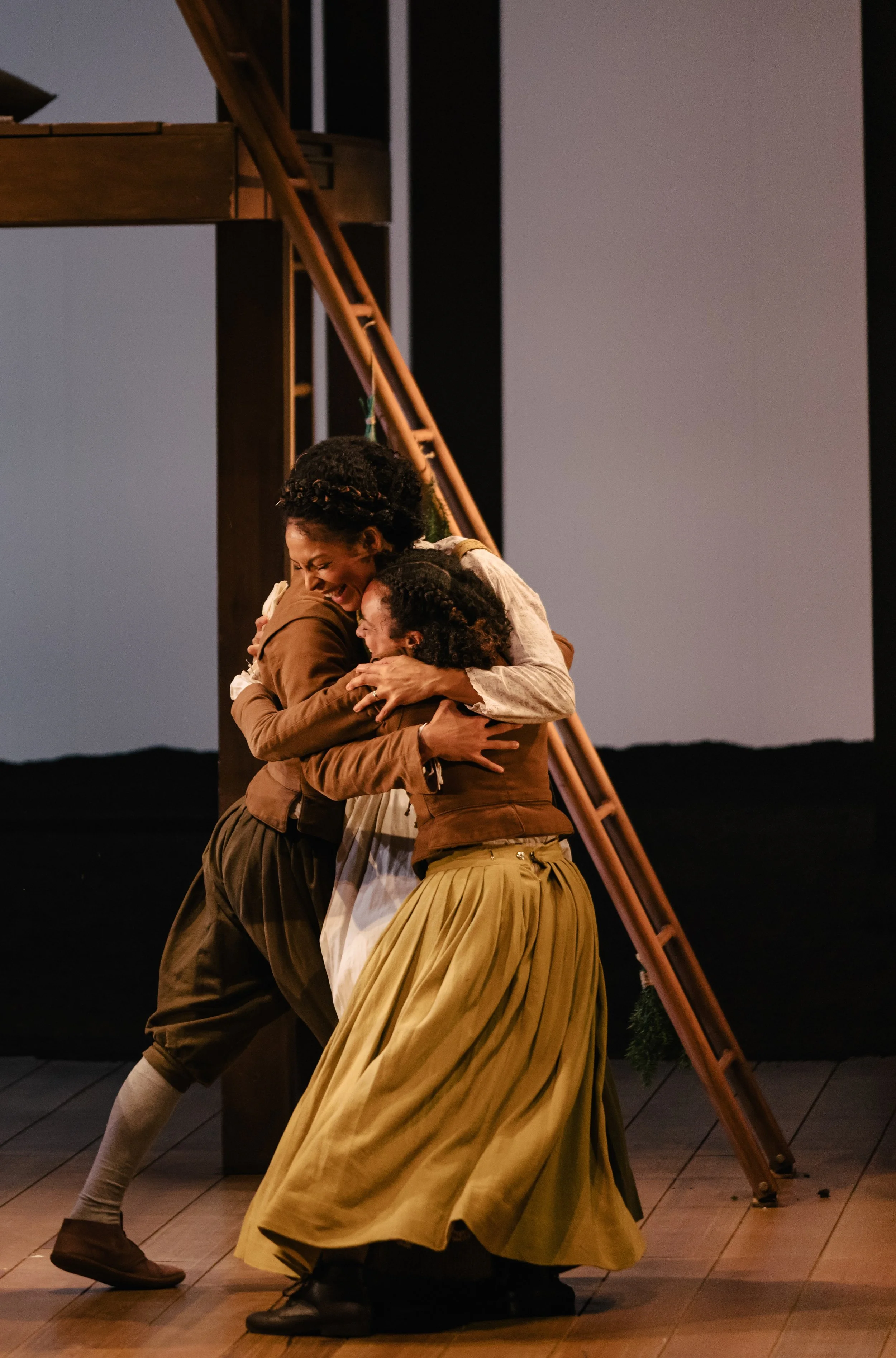
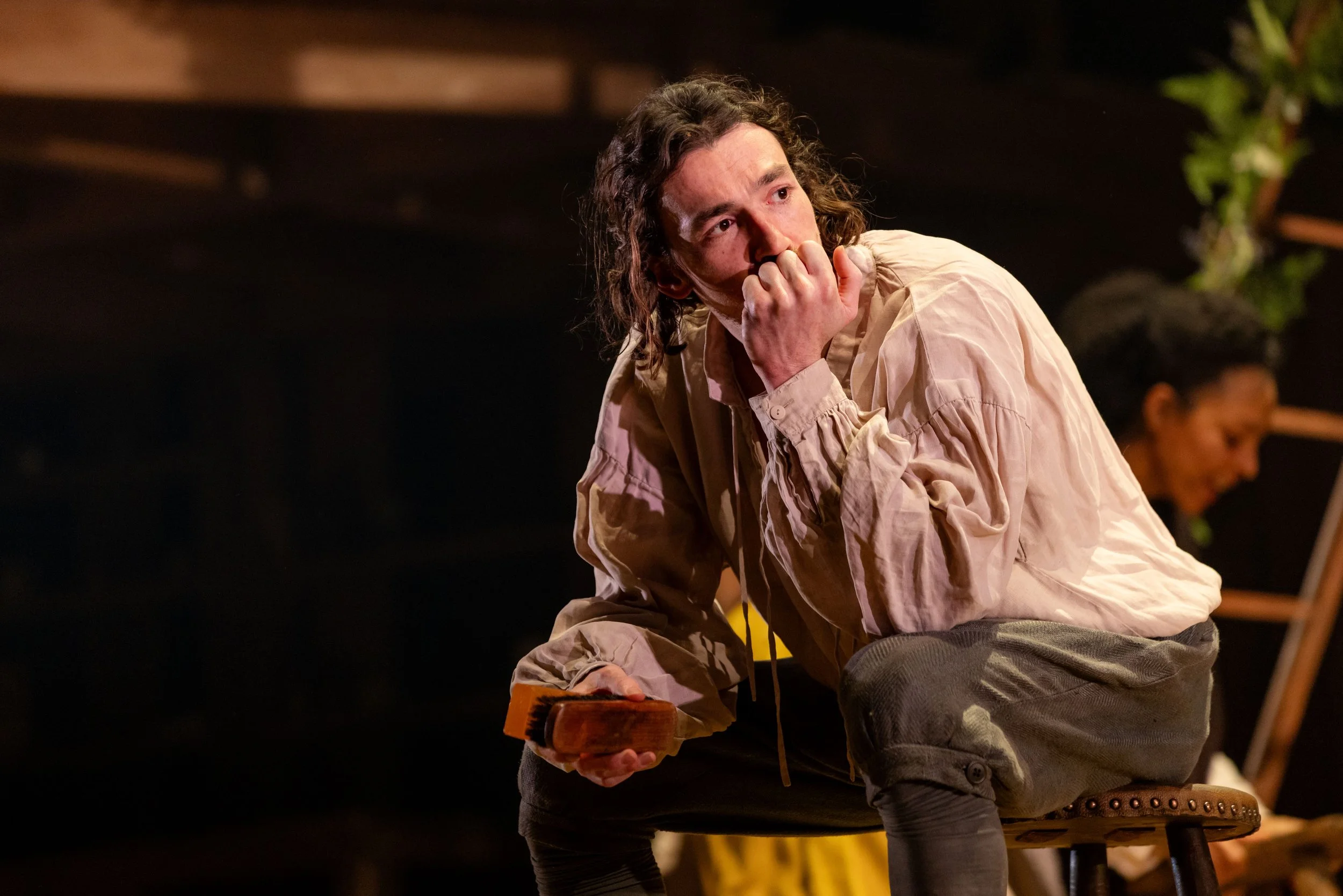
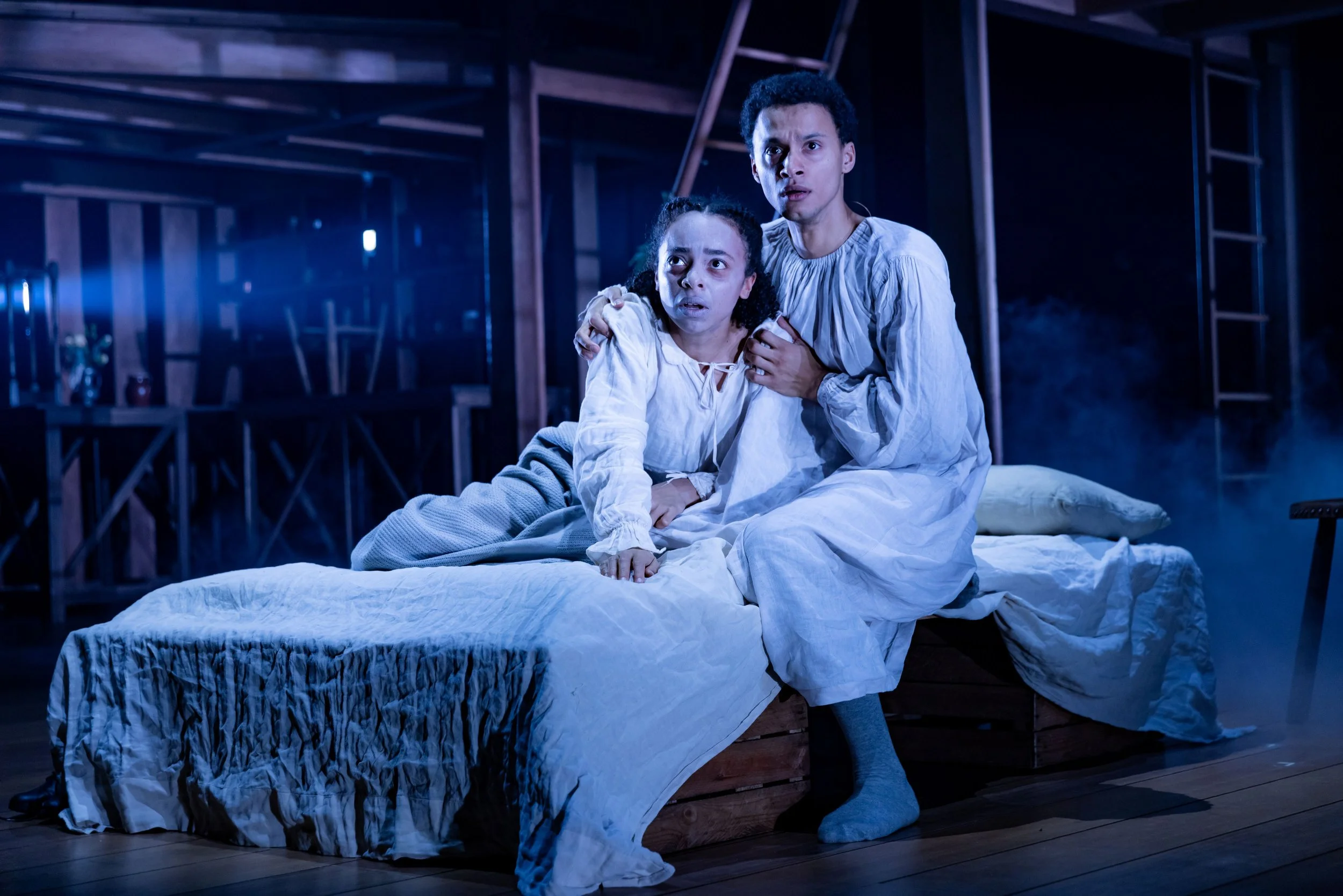
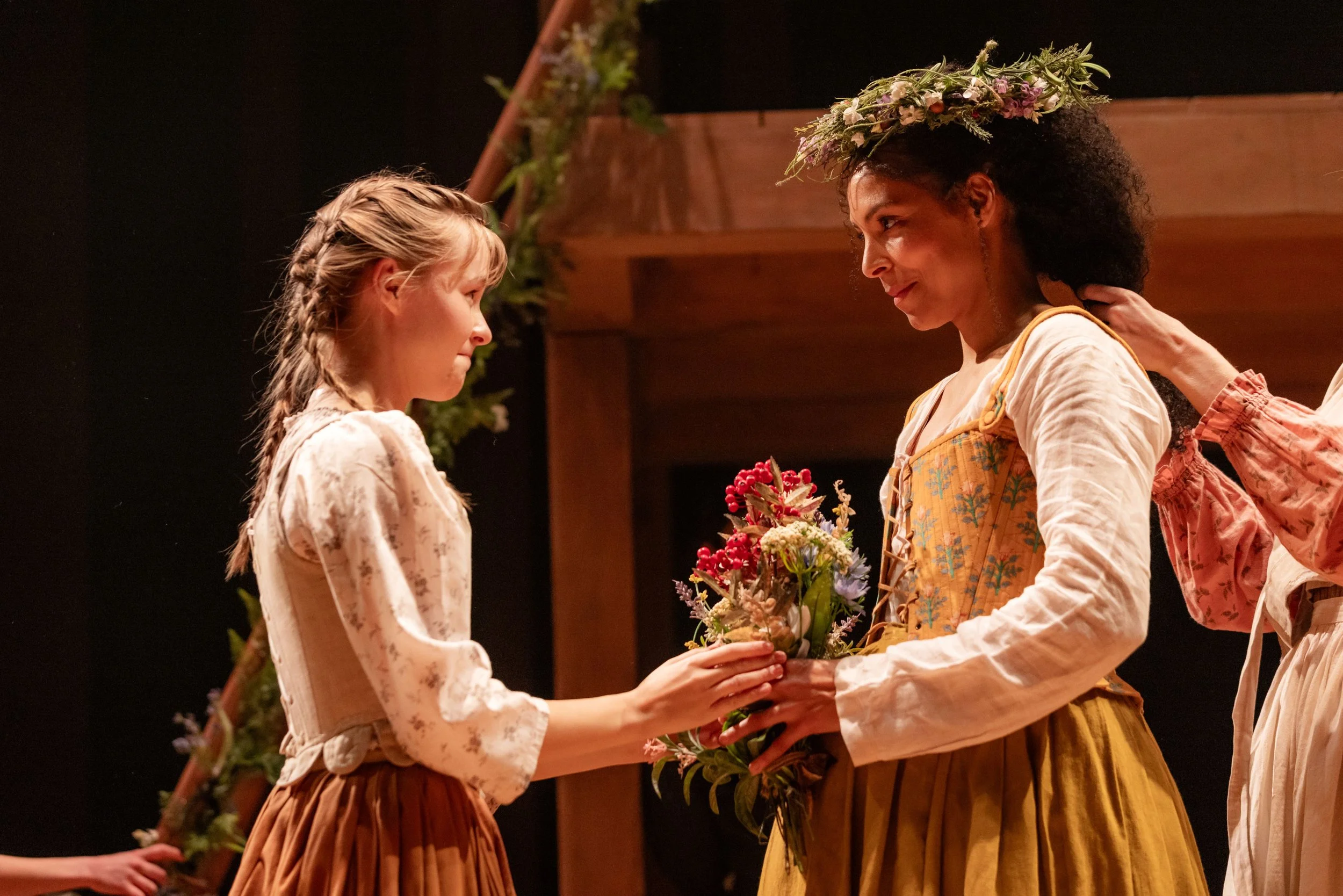

Agnes didn't foresee Judith's birth, as the spirits had prophesied that she would have only two children. Her birth brought about an event that deepened the narrative of her being an inadvertent child, a third child, a prophecy that Agnes had not revealed, setting the stage for the tragic loss of a child. O'Farell brings the tragedy to life through the bubonic plague. The tragedy begins when Hamnet sees his twin sister, Judith, dangerously ill, fearing her death, he searches for his mother. His father has already left for London to sell his father's gloves to earn money so they can build a life together as a family. When he is unable to find anyone to help, he lies in the bed next to Judith and makes a bargain with the spirit of death that he will take her place. As Agnes returns, she reaches out to Judith, seeing her recovering from the illness; she discovers that Hamnet is dead, leaving her, as the spirits had foretold, with two children. The death of Hamnet, William's only son, is based on the separation between William and Agnes, and how parents deal with the grief of losing a child.
William, who ditched selling gloves for his father, is now a celebrated poet well-known for his captivating plays. He channels his mourning into his art and retreats to London to escape his sorrows. Meanwhile, Agnes, desiring to be closer to her son Hamnet, fears that leaving Stratford could cause her to lose Hamnet again. The play doesn't fully examine how the children process the loss of their brother, Hamnet. However, O'Farrell does highlight Judith's grief about being alive following her twin's death and her worries about her father's sorrow over losing a son.
O'Farrell's book and the Chakrabarti-adapted play end with Agnes going to London, infuriated by William writing a play about her death, son Hamnet, called Hamlet, seen as William sharing his grief at losing a child by writing a play in which the father dies, instead of the son. The fictional narrative suggests that Shakespeare's writing of "Hamlet" was a response to the death of his son, Hamnet. While there is no historical evidence to support this notion, the play effectively explores themes of grief and how it can isolate individuals dealing with loss.
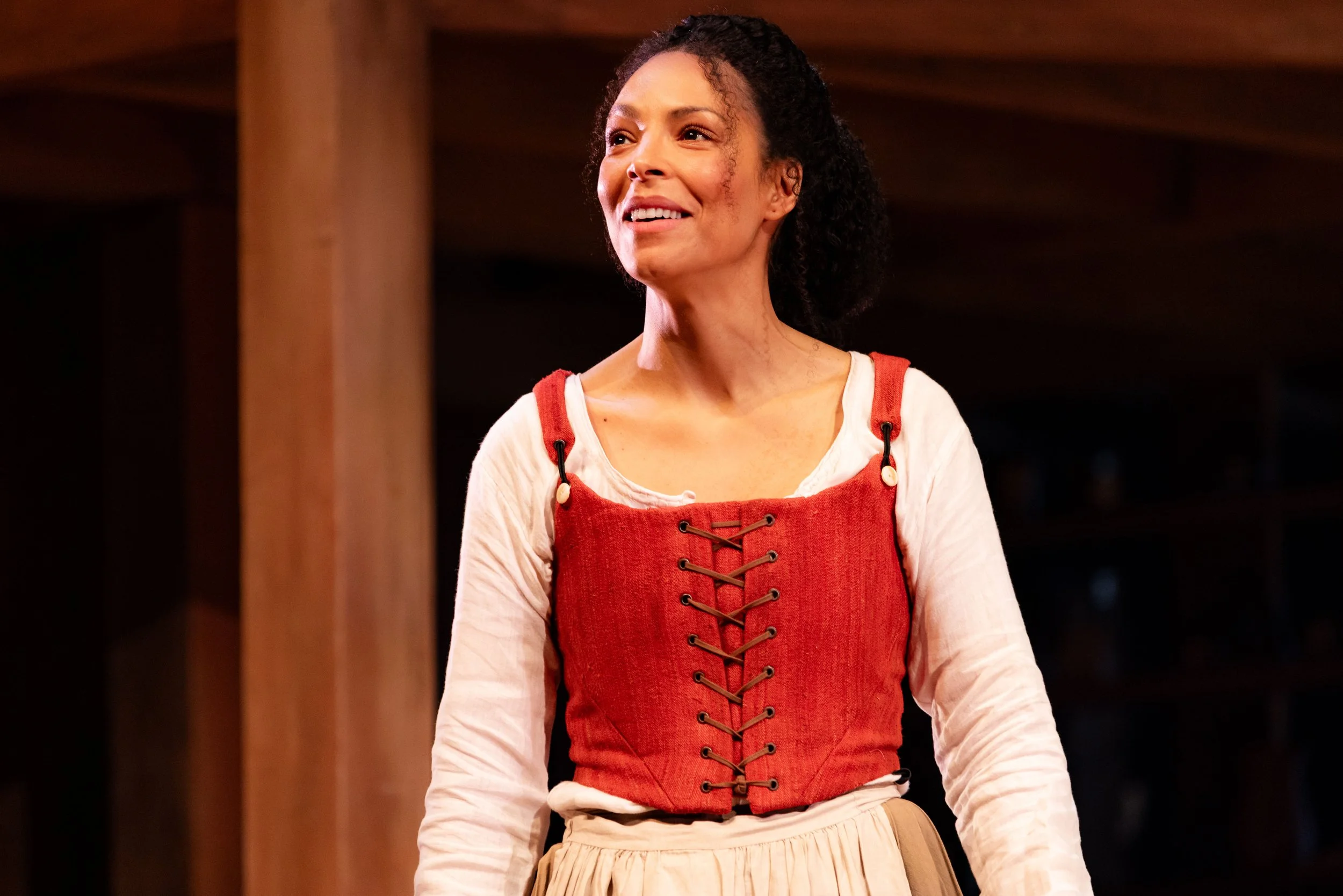
The cast of the play, featuring Kemi-Bo Jacobs as Agnes and Rory Alexander as William, delivered impressive performances. Jacobs beautifully captured the depth and complexity of Agnes's character, portraying her strength and vulnerability. Alexander embodied William Shakespeare, offering a visual and realistic portrayal of a young William learning to become a man, and the struggles and aspirations of the iconic playwright. I especially enjoyed the emotions of anger, frustration, and care that Penny Layden displayed in her role as Mary. Through her amazing portrayal of a wife, mother, and grandmother, you could genuinely feel her character throughout her performance. Layden's ability to convey a wide range of emotions made Mary more relatable, enhancing the play's overall experience. Nigel Barrett was fantastic in his dual roles as John, the overbearing, snarly father of William, and the verbose Will Kempe.
While "Hamnet" presents a poignant narrative of Agnes's life as William Shakespeare's wife and her struggles with the loss of a child, I found its slow pace and staging to be a significant drawback. The adaptation by Chakrabarti is beautifully written, and the cast's performances bring a genuine experience to the audience. However, some scenes felt disconnected and lacked the fluidity and energy to sustain momentum. At times, the play's pacing felt dull and mundane, overshadowing the emotional weight of the story. The stage setting, featuring an A-frame timber-beam structure intended to symbolize Agnes' strength, rebellion, and her desire to leave and start her own family, doesn't convey those themes as effectively as it could. Those who have read O'Farrell's book and are familiar with Hamnet will likely find plenty to appreciate in this adaptation. Still, it needs more action, energy, and a more robust plot to help its sometimes sluggish pace. It's still a good, solid production, worth seeing.
⭐⭐⭐
Chicago Shakespeare Theater
HAMNET
By Maggie O'Farrell
Adapted by Lolita Chakabarti
Directed by Erica Whyman
FEB 10–MAR 8, 2026

Thanks for visiting our website. For tickets, please click on the above logo and for additional reviews, click below.