The Dance of Death
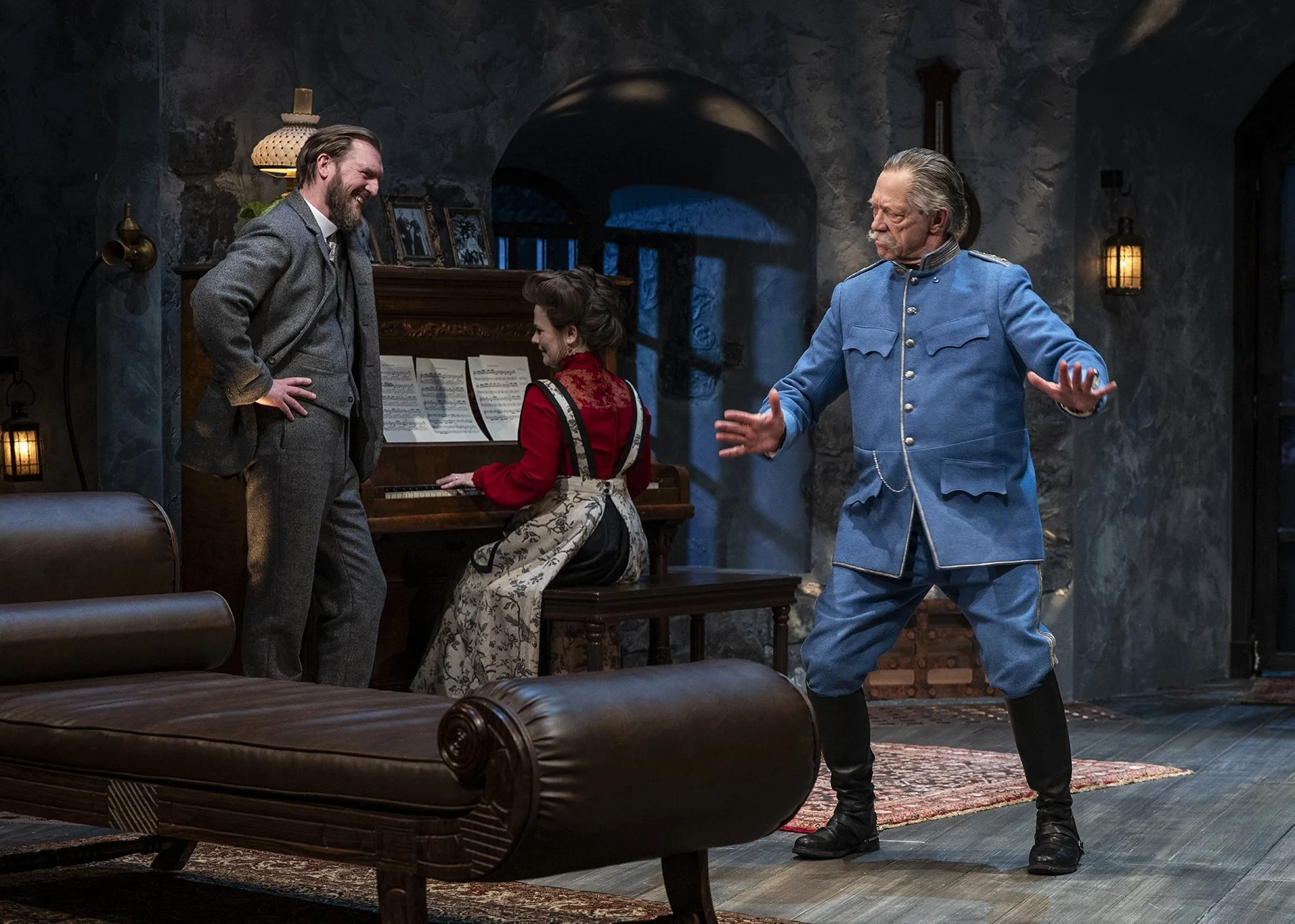
August Strindberg's play, The Dance of Death, written over 126 years ago, is considered a heavyweight in modern drama. It's a dark comedy that views a couple steeped in a marriage from hell. Filled with wit, this dark tragedy features a couple married for 25 years who seem to fight constantly, paving the way for psychological plays such as Who's Afraid of Virginia Woolf and Warren Adler's The War of the Roses. August Strindberg's The Dance of Death has many abrupt shifts in psychological states, making you think that the person was bordering on being psychotic. His plays bordered on insanity, but it provides a sane look into the psychological minds of individuals, and those who are in relationships. How relationships can, in some cases, be very mentally volatile, which can poison the mind, but also so addictive that it thrives on the need to exist in a relationship filled with both love and hate. In Conor McPherson's take on Strindberg's unscrupulous marital warfare, he adds a darker, razor-sharp wit that's more sarcastically funny, making it more palatable to a modern-day audience and removing the gloom and psychological dread of couples seemingly obsessed with mentally torturing each other featured in Strindberg's play. The premise remains the same. Alice, Edgar, her husband, live in a converted prison stone tower of an isolated naval fortress on an island. As they are about to celebrate 25 years of marriage, we see the years of resentment and regret bleed into a mutual hatred and a strong desire to sabotage each other's character. Alice, a former actress, laments giving up her career to live with her demeaning husband, Edger, known as Captain, a loathsome pathological narcissist, who is disliked and hated for speaking his mind.
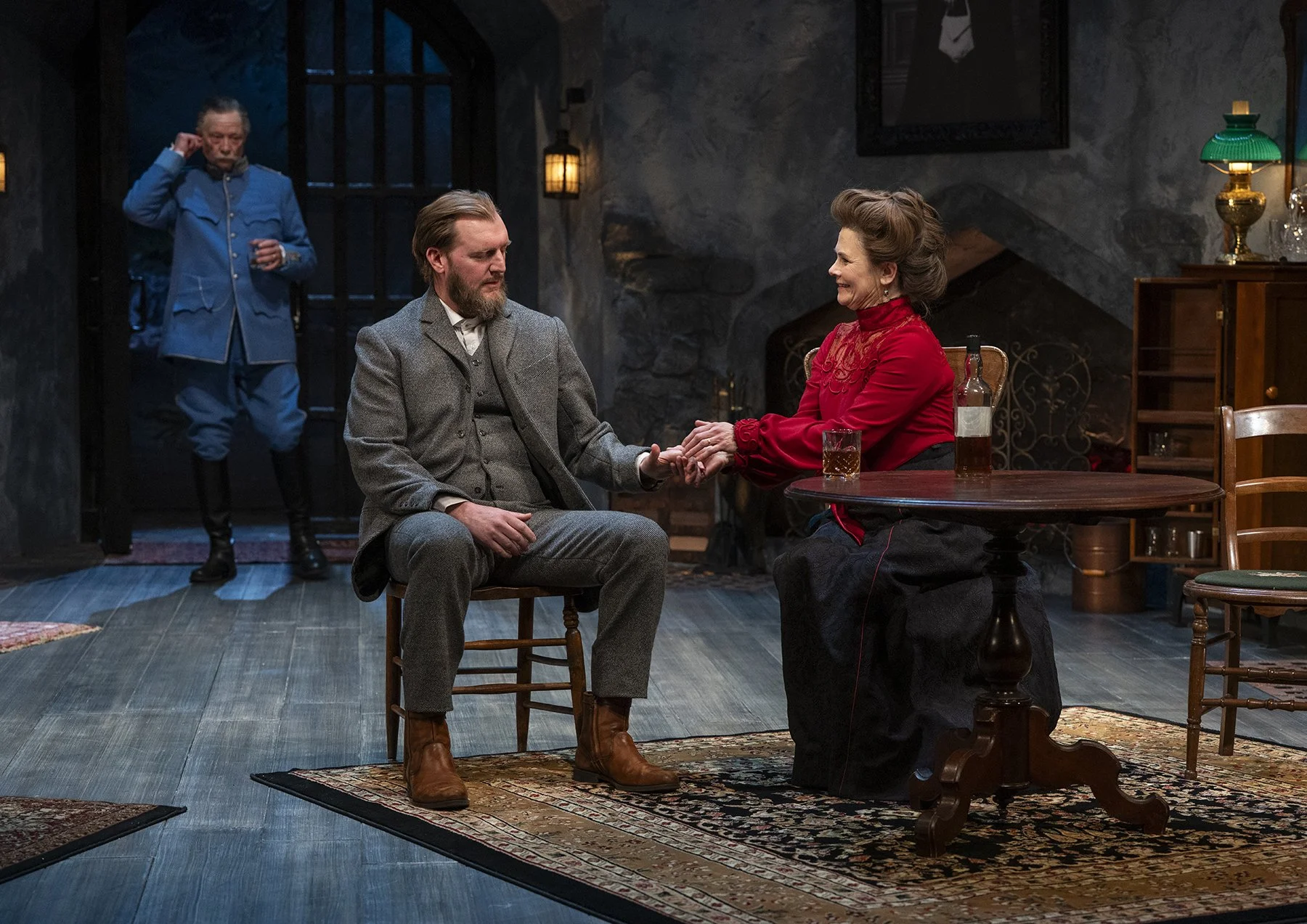
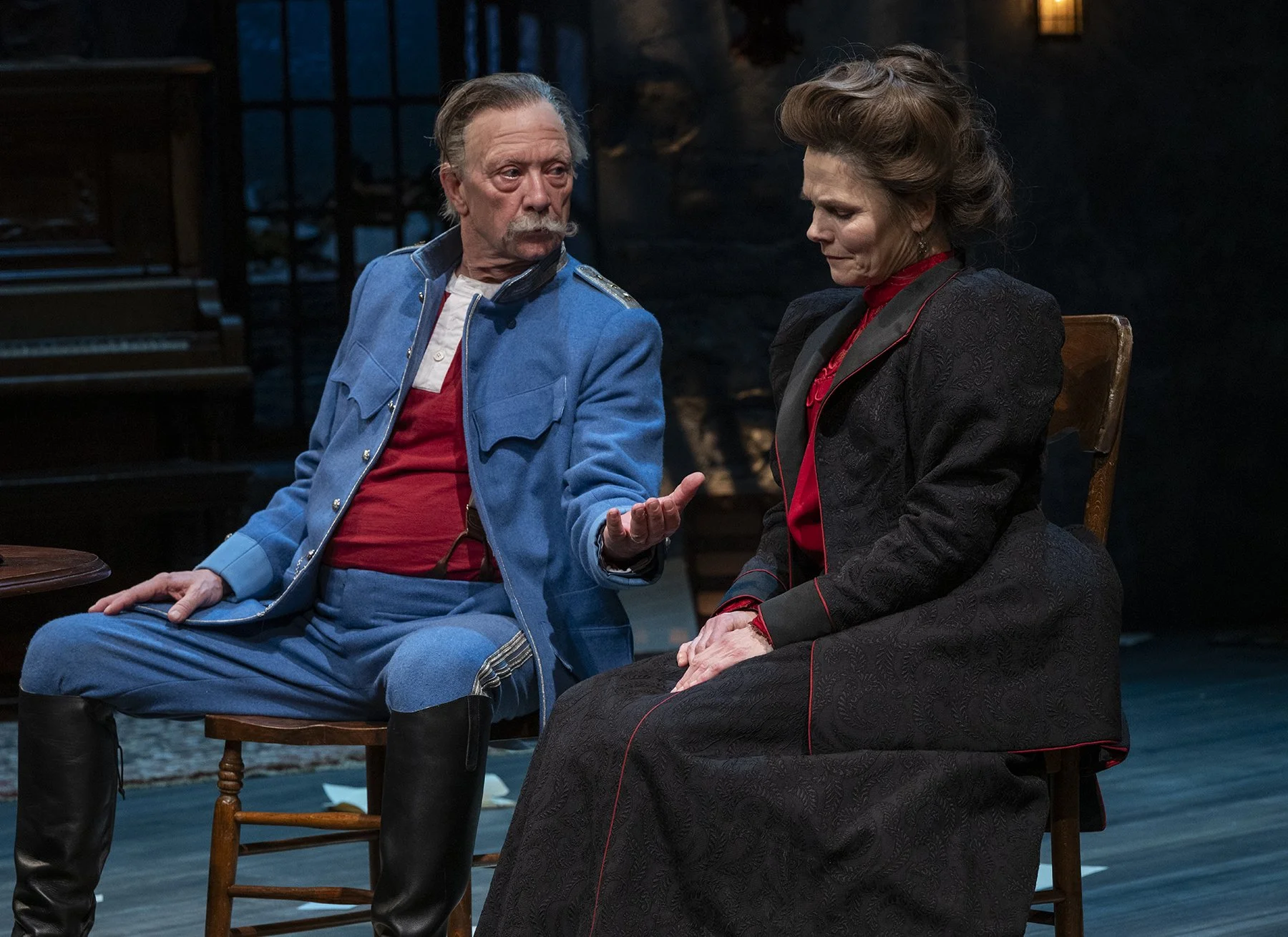
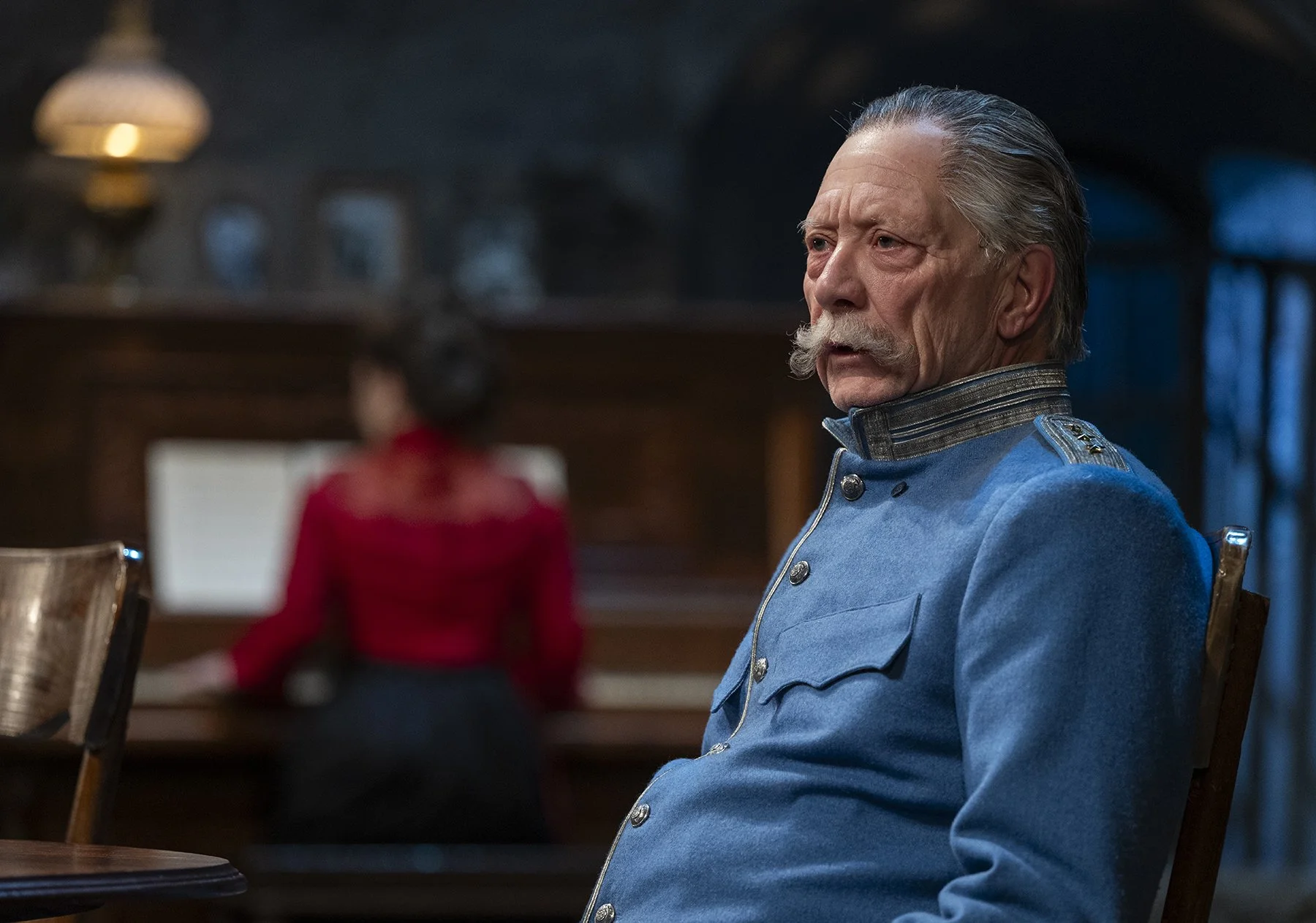
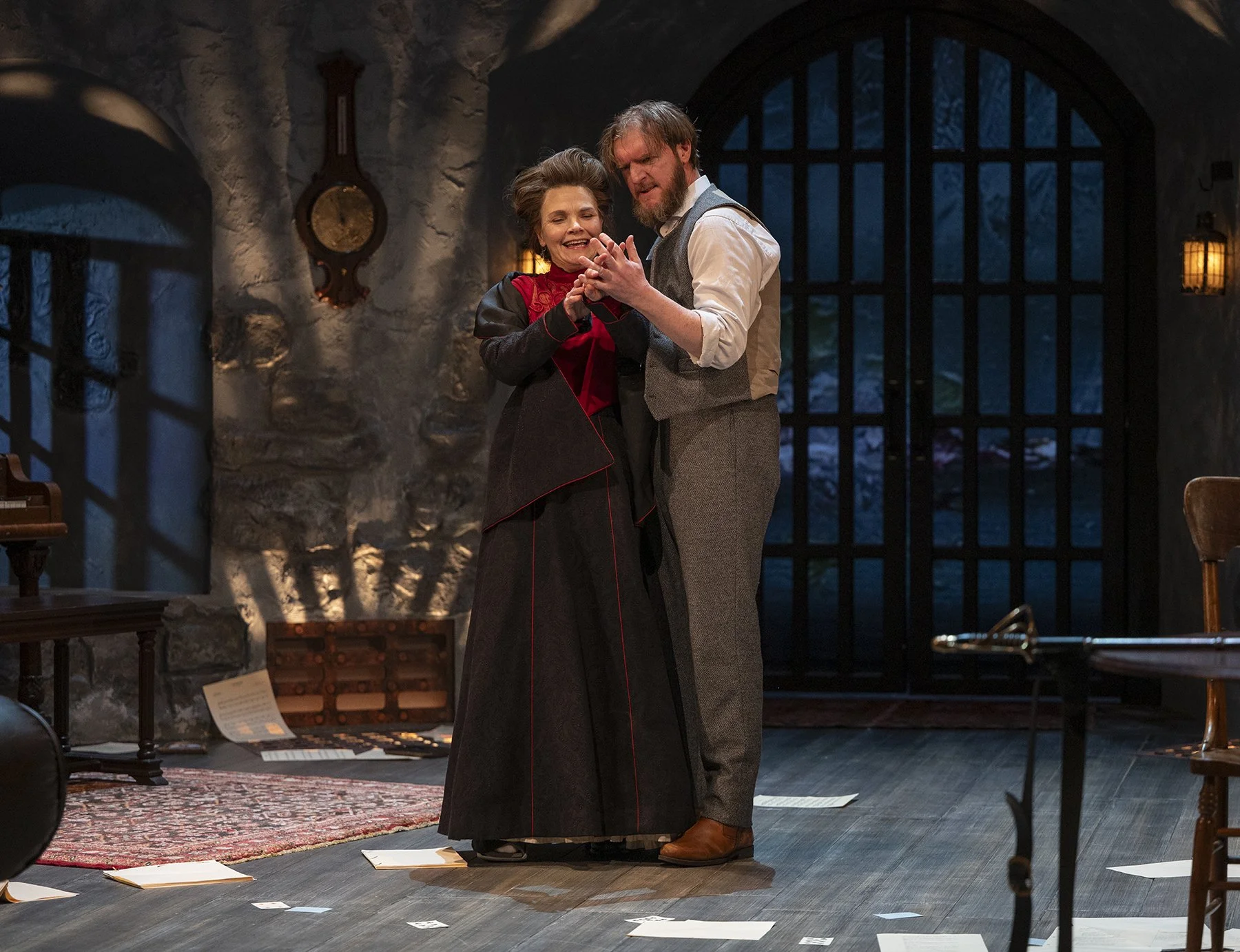
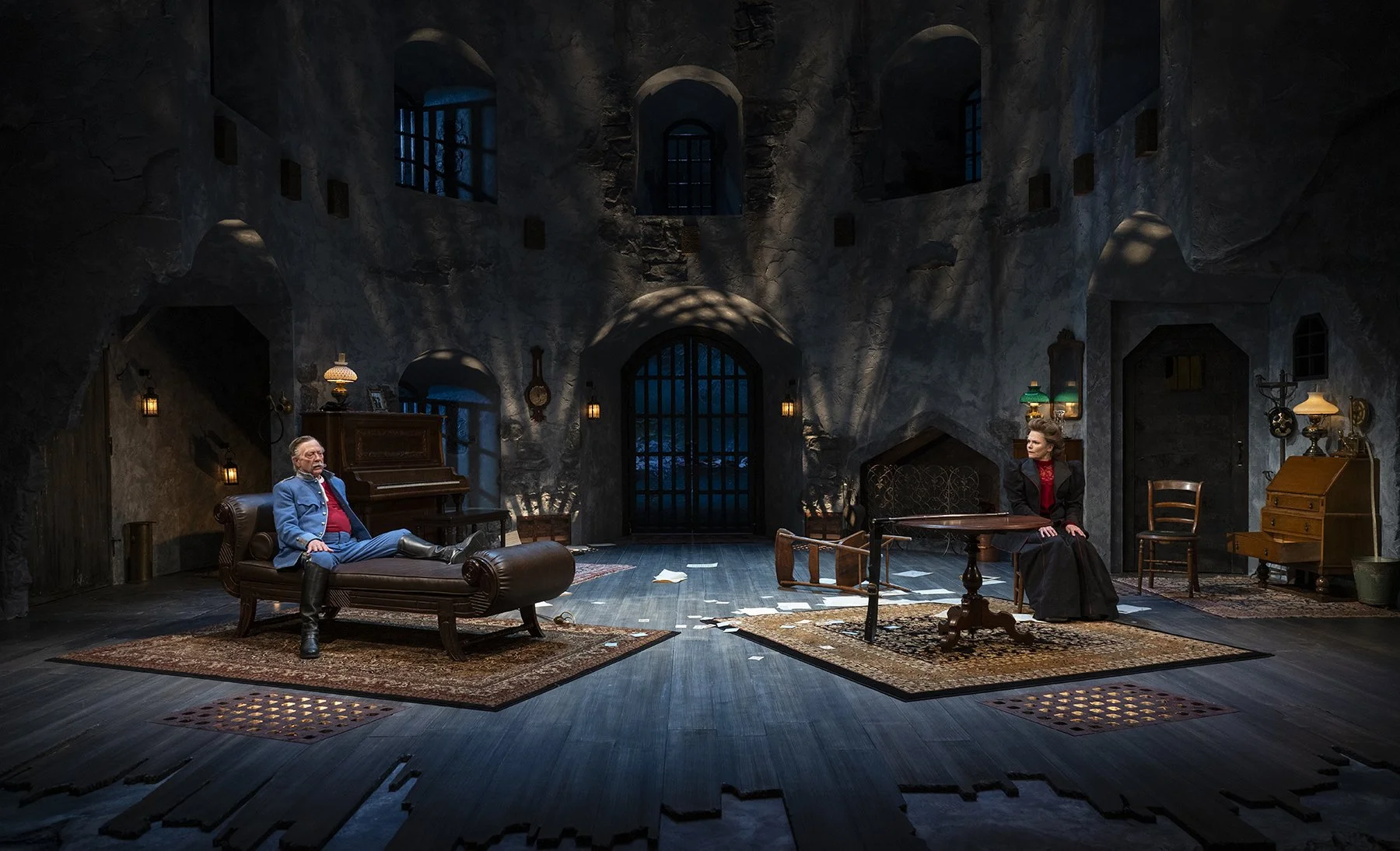
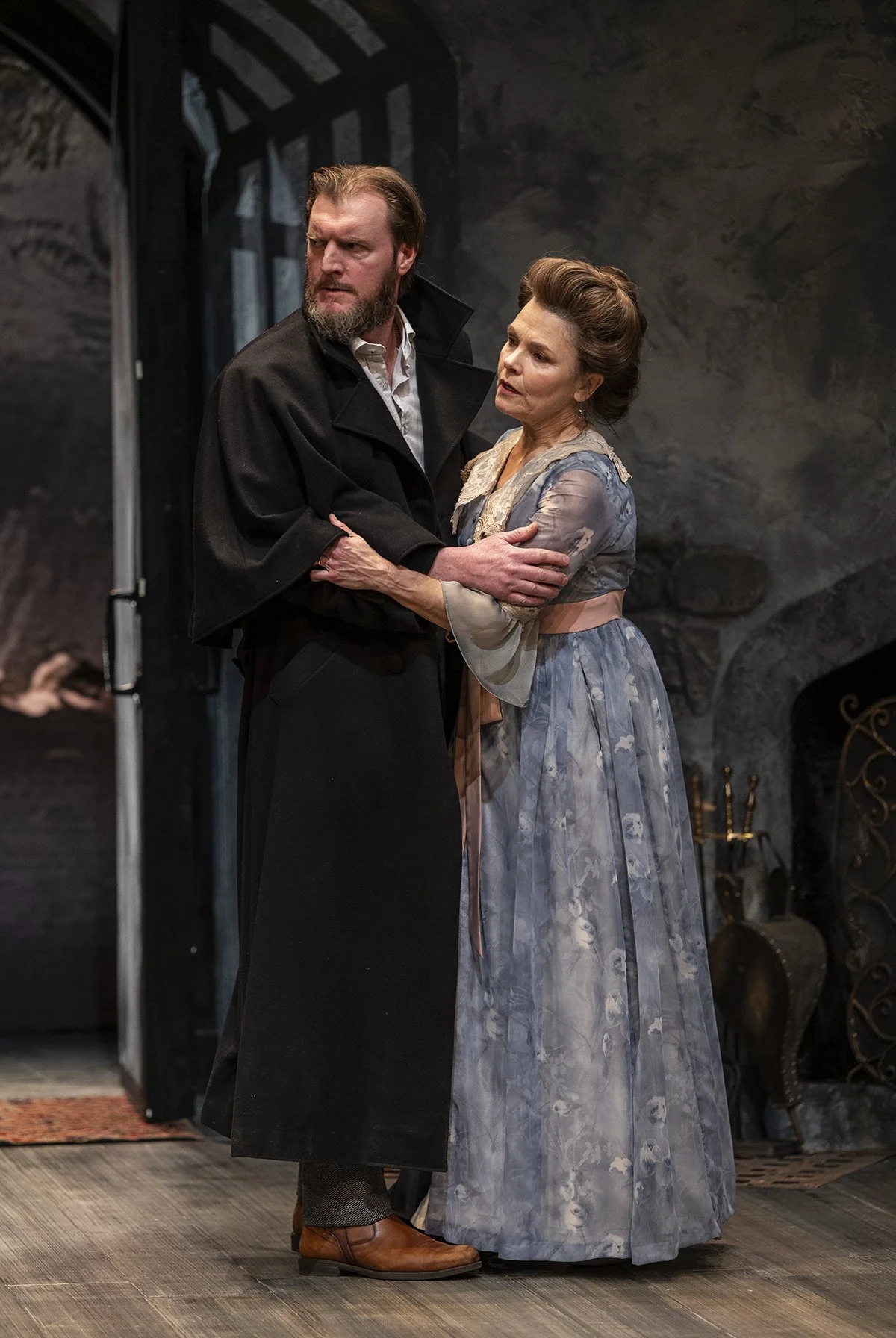
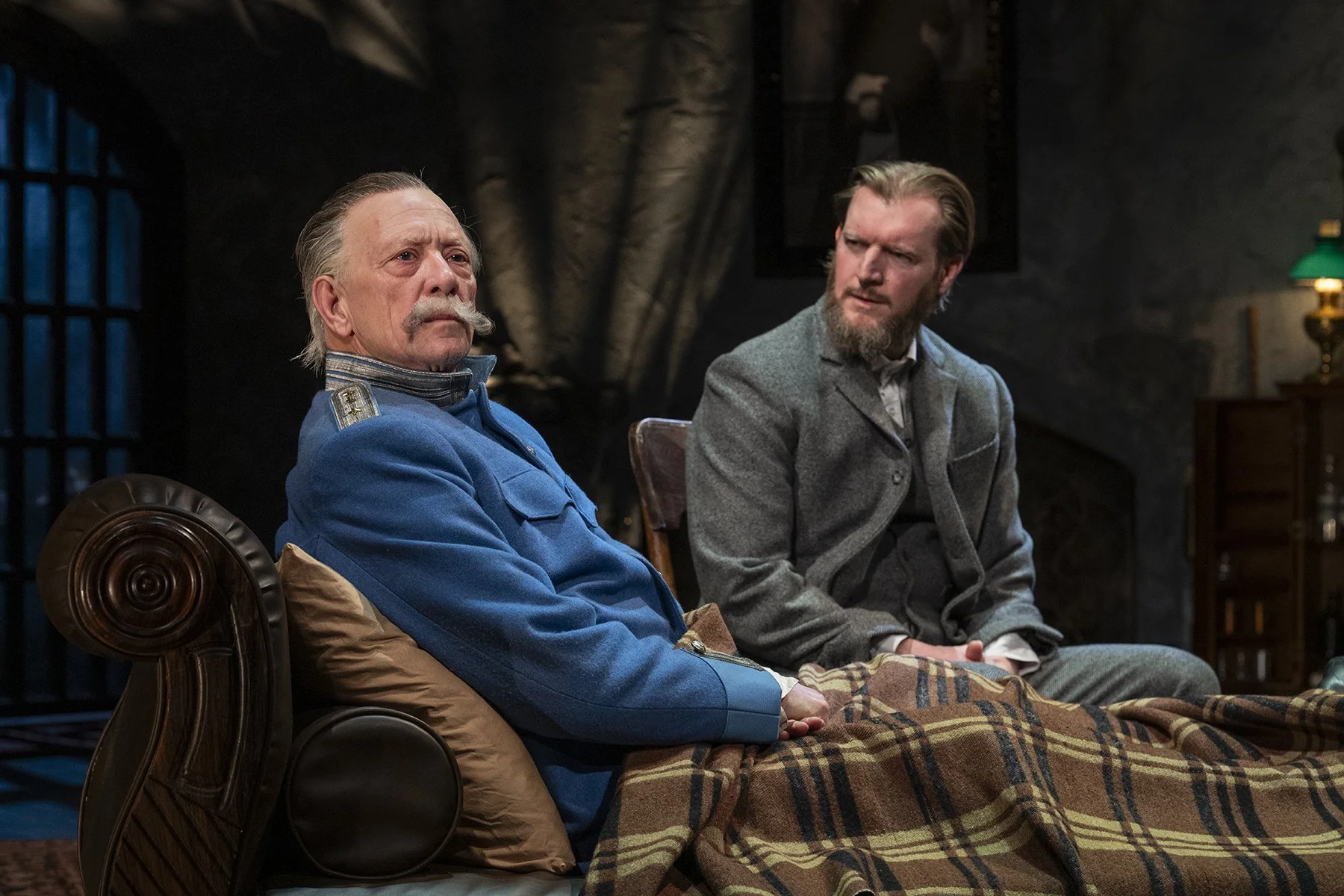
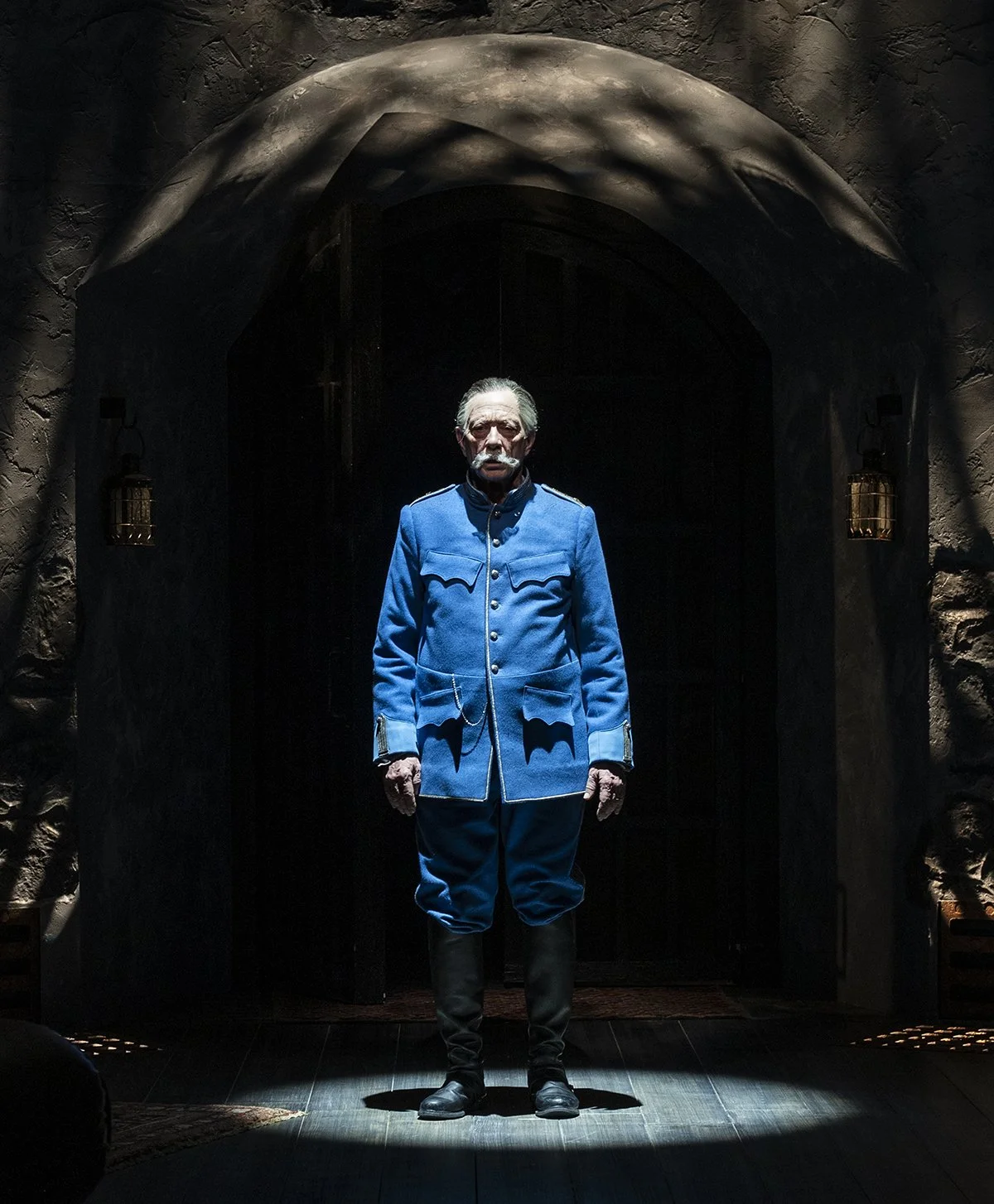
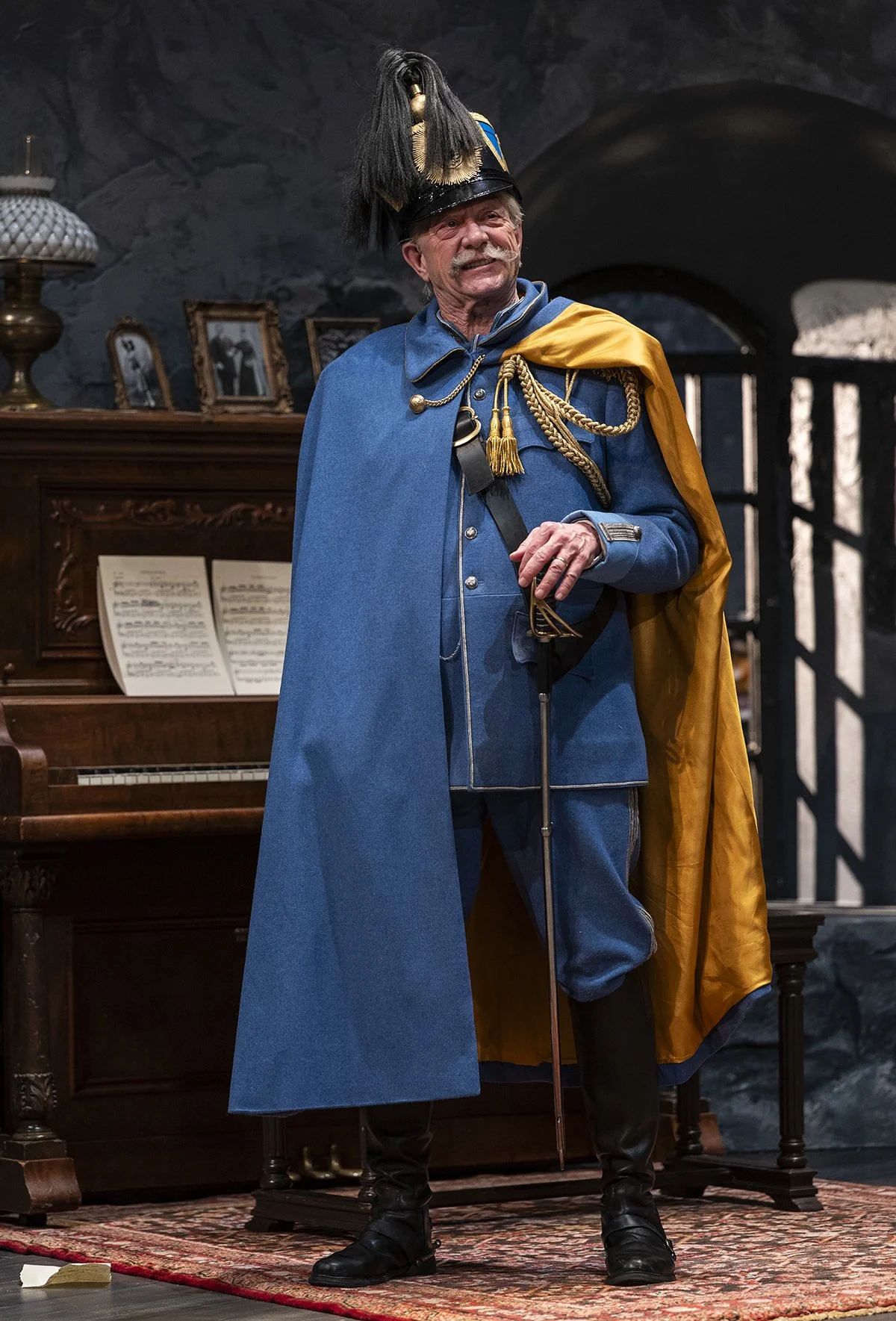
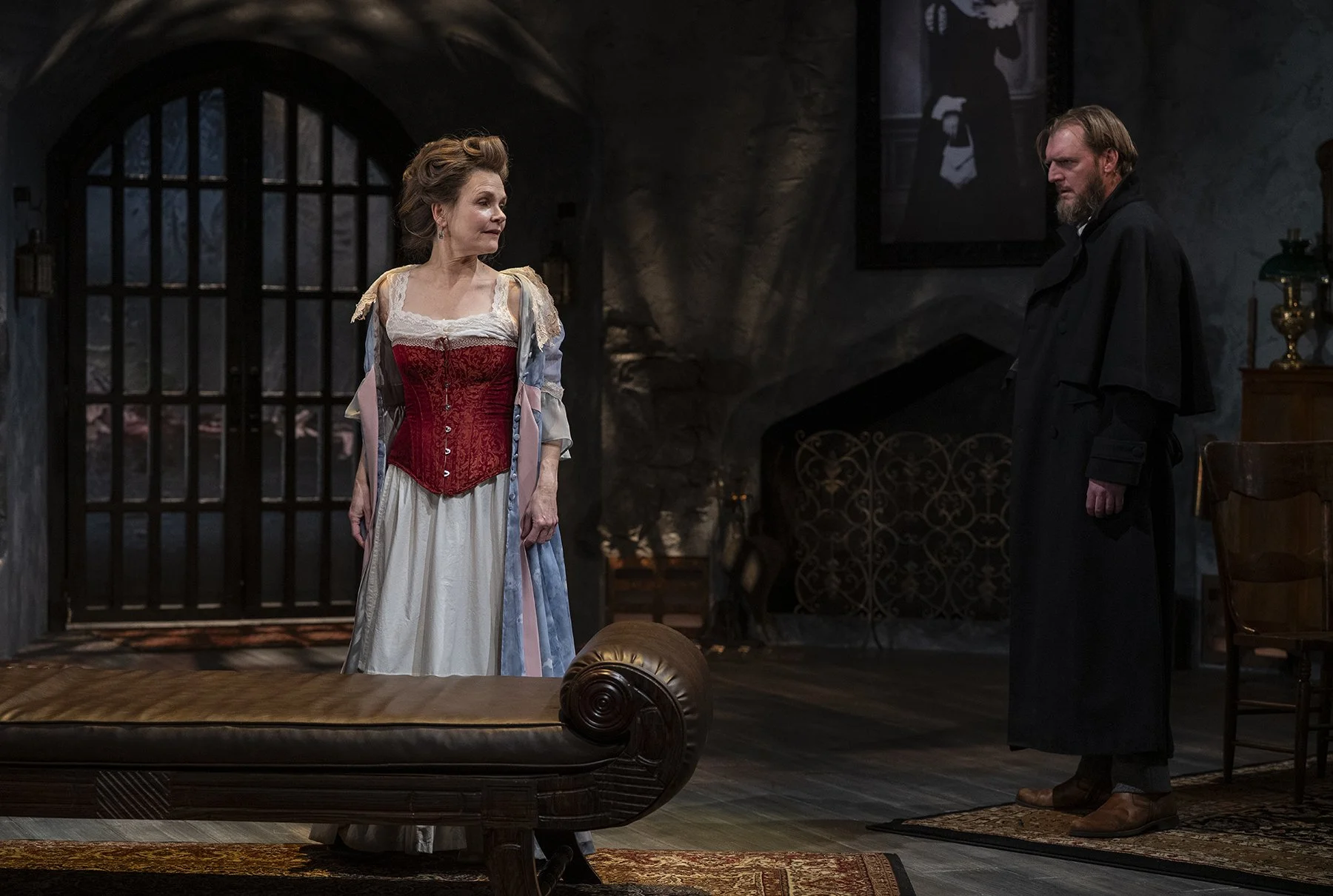
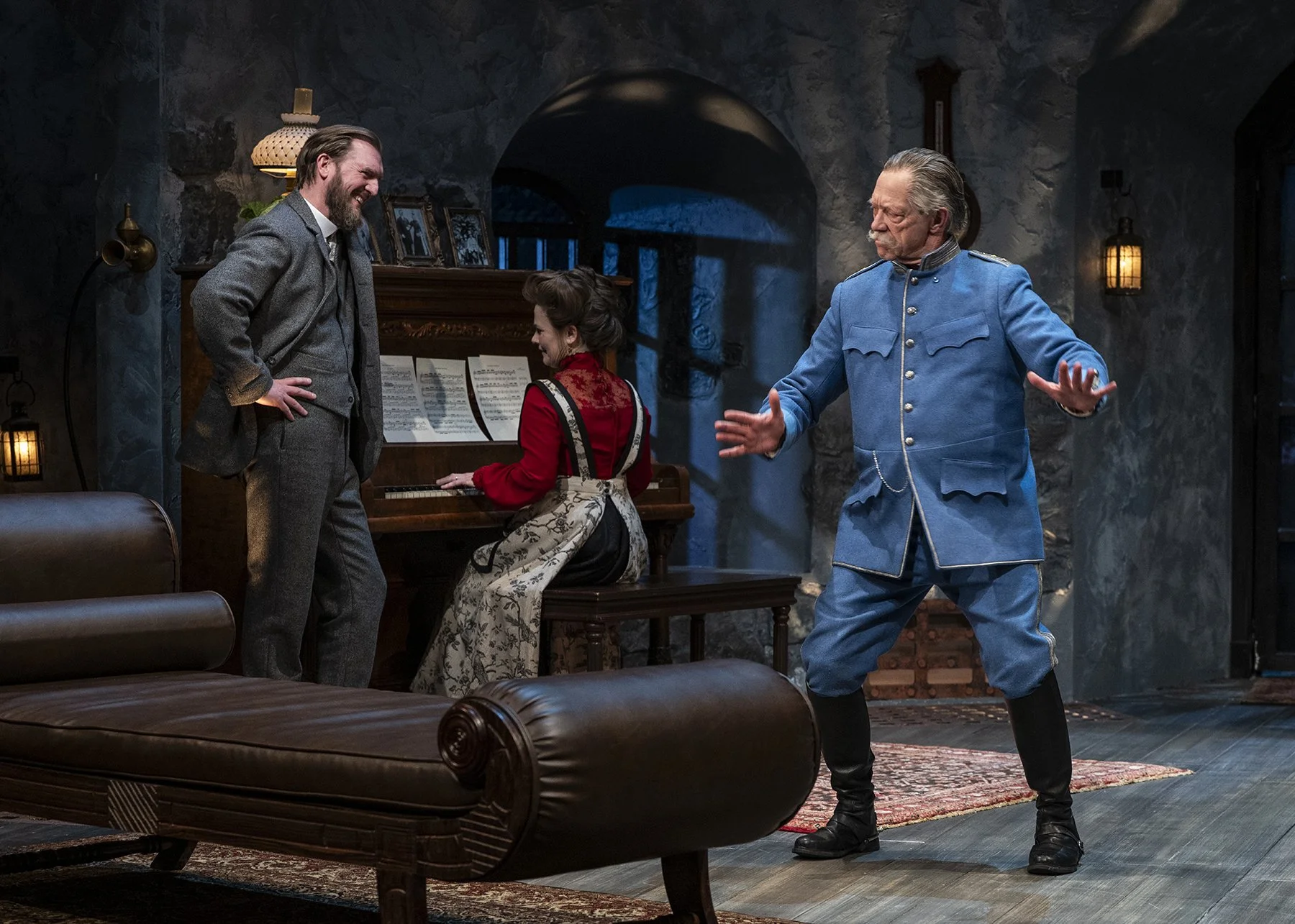
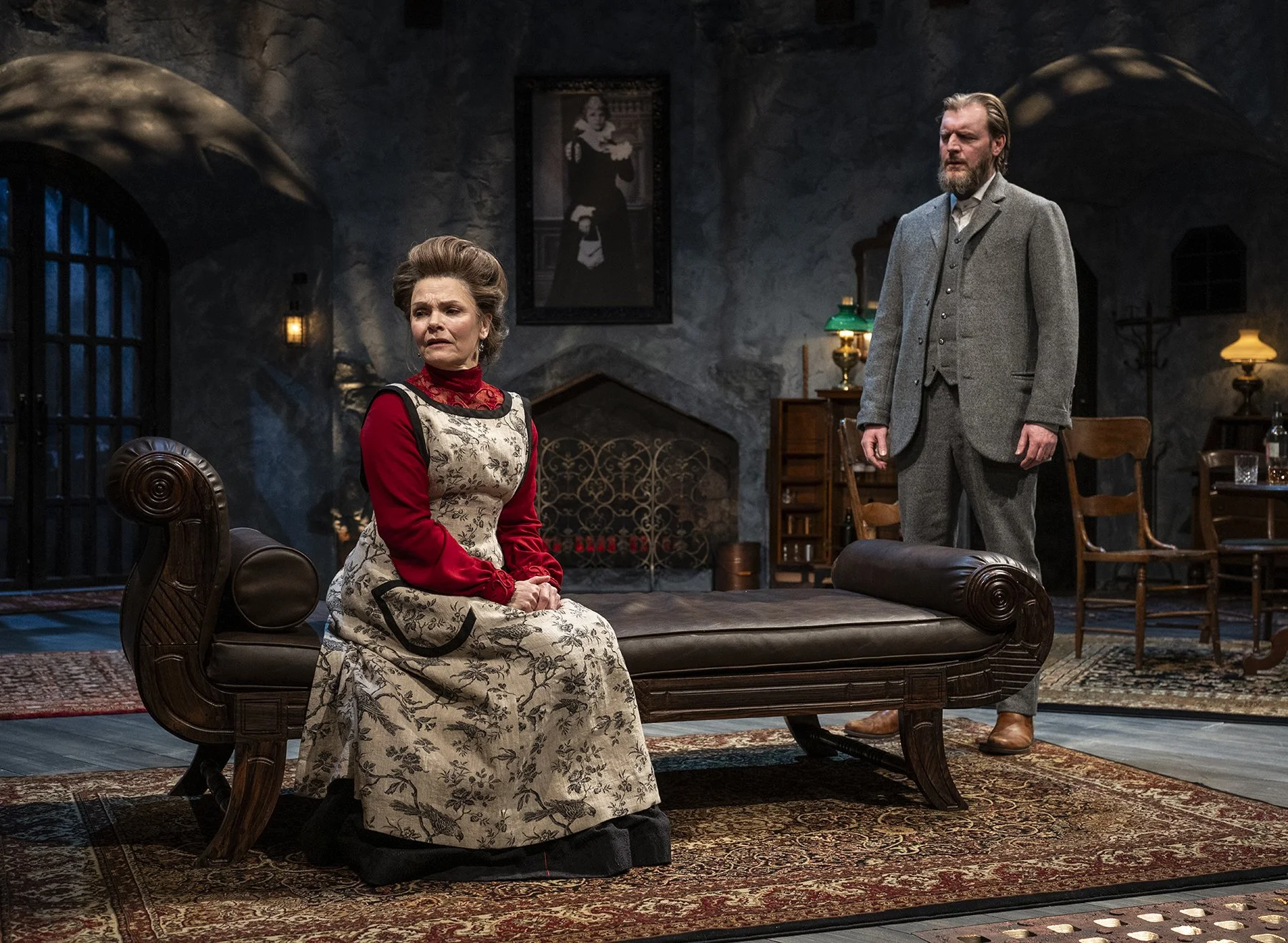
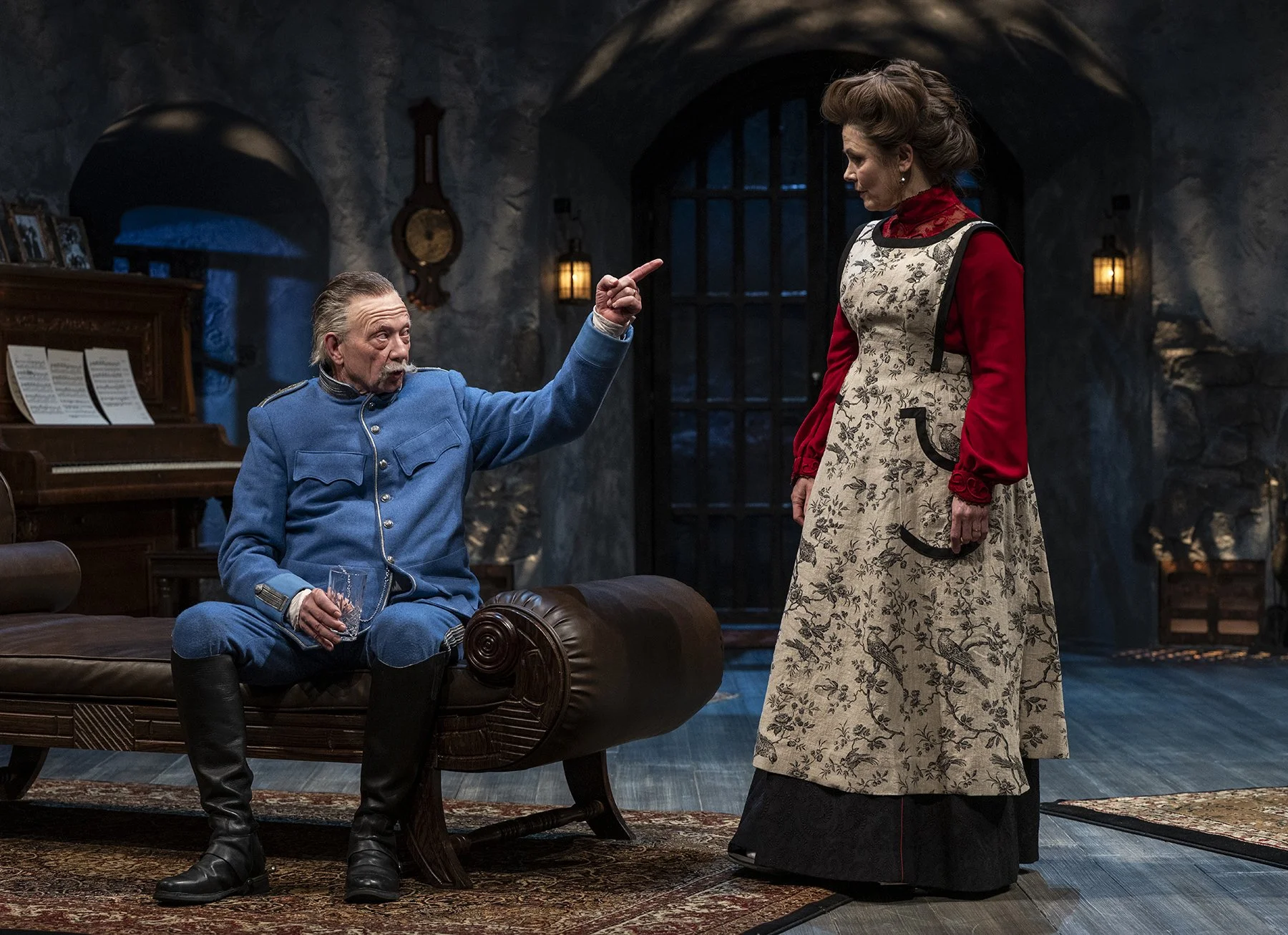
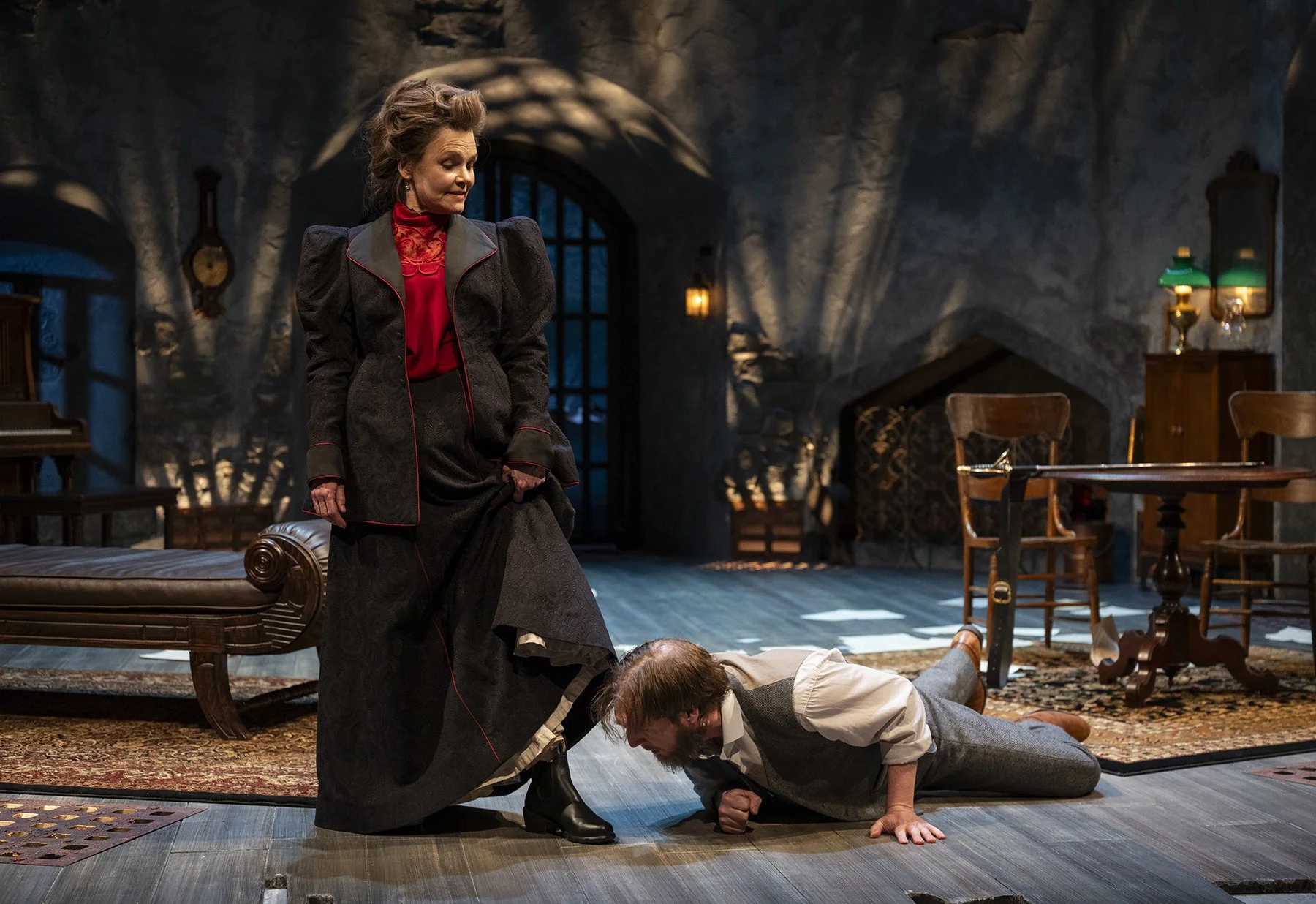
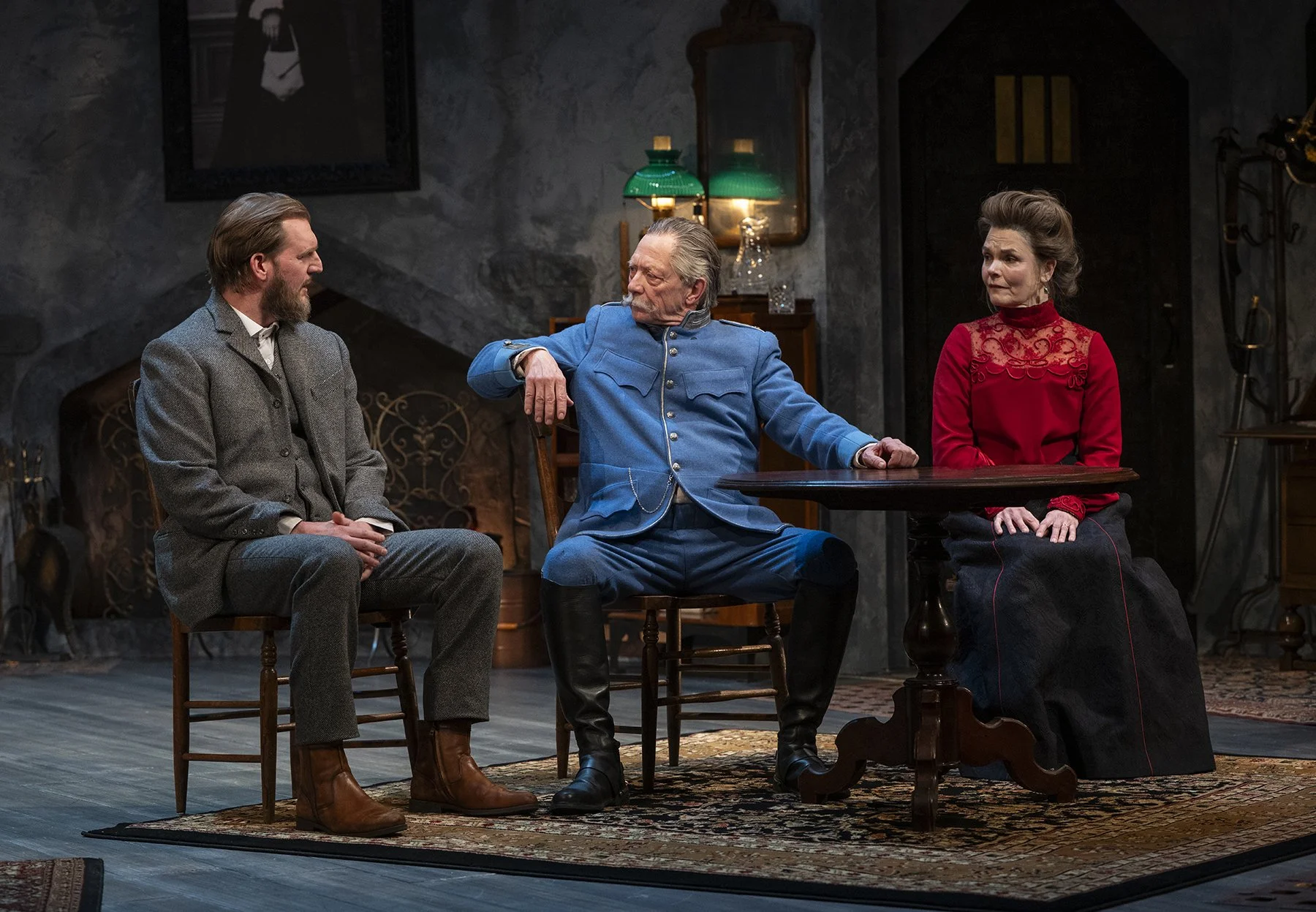
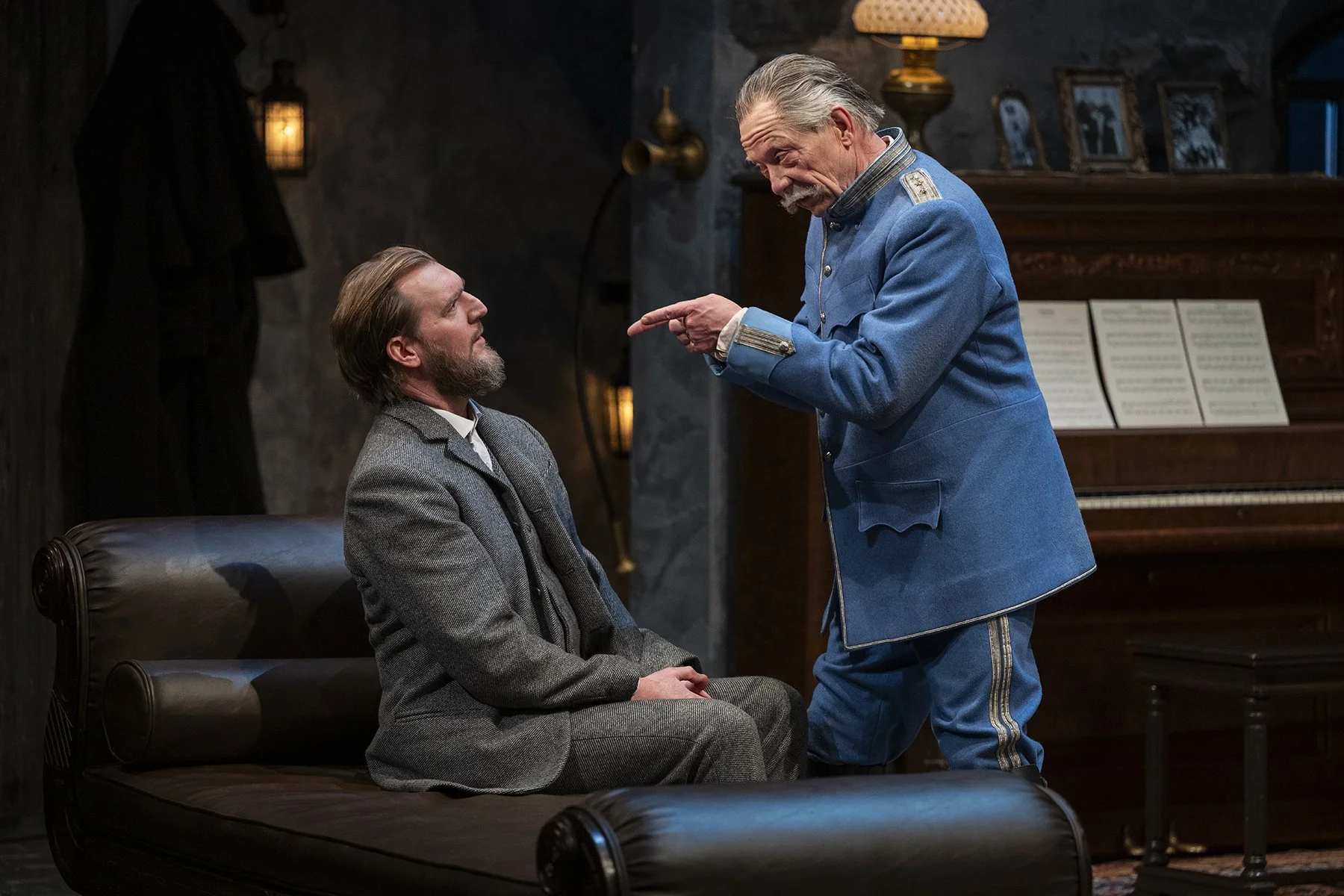
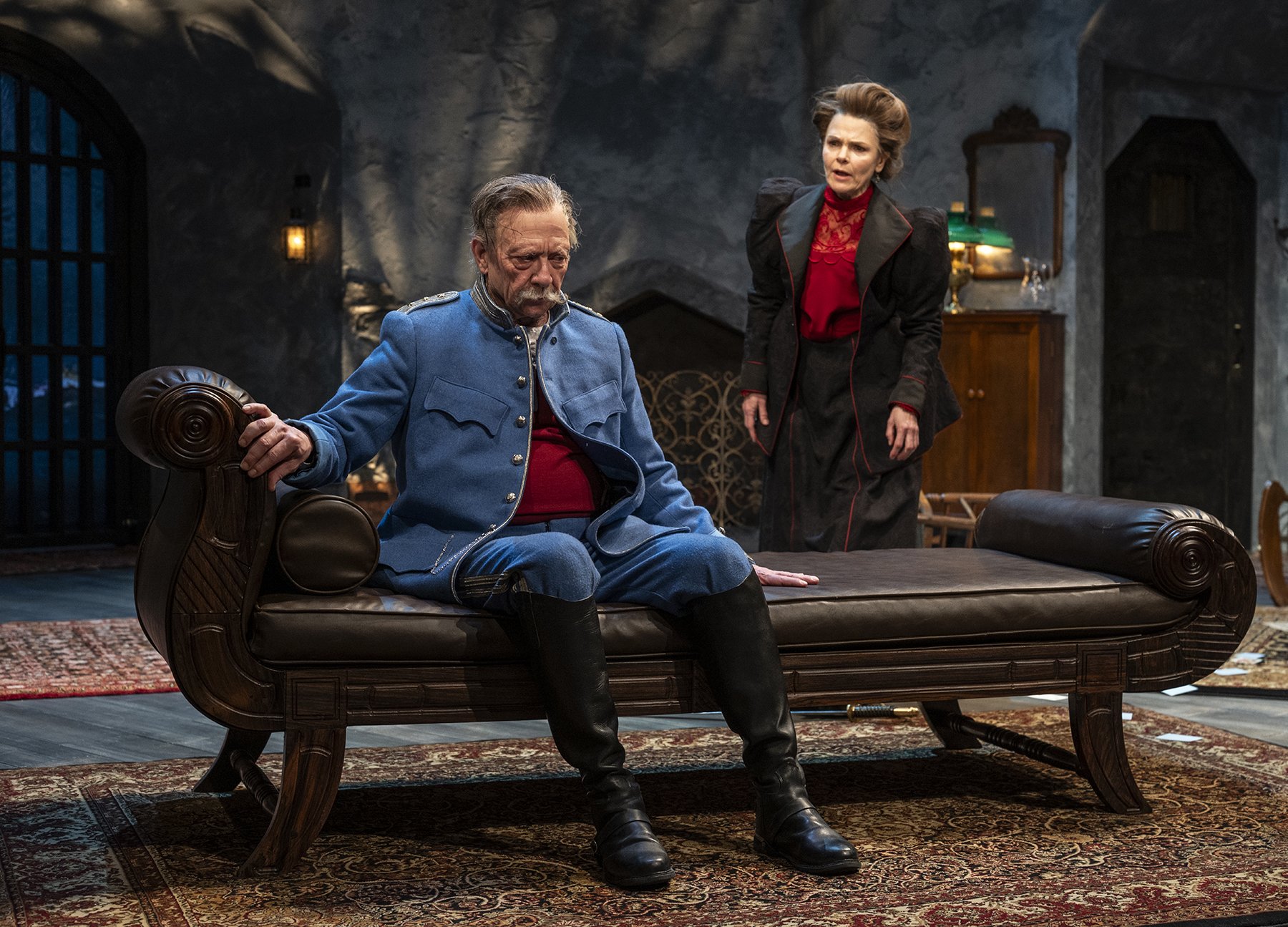
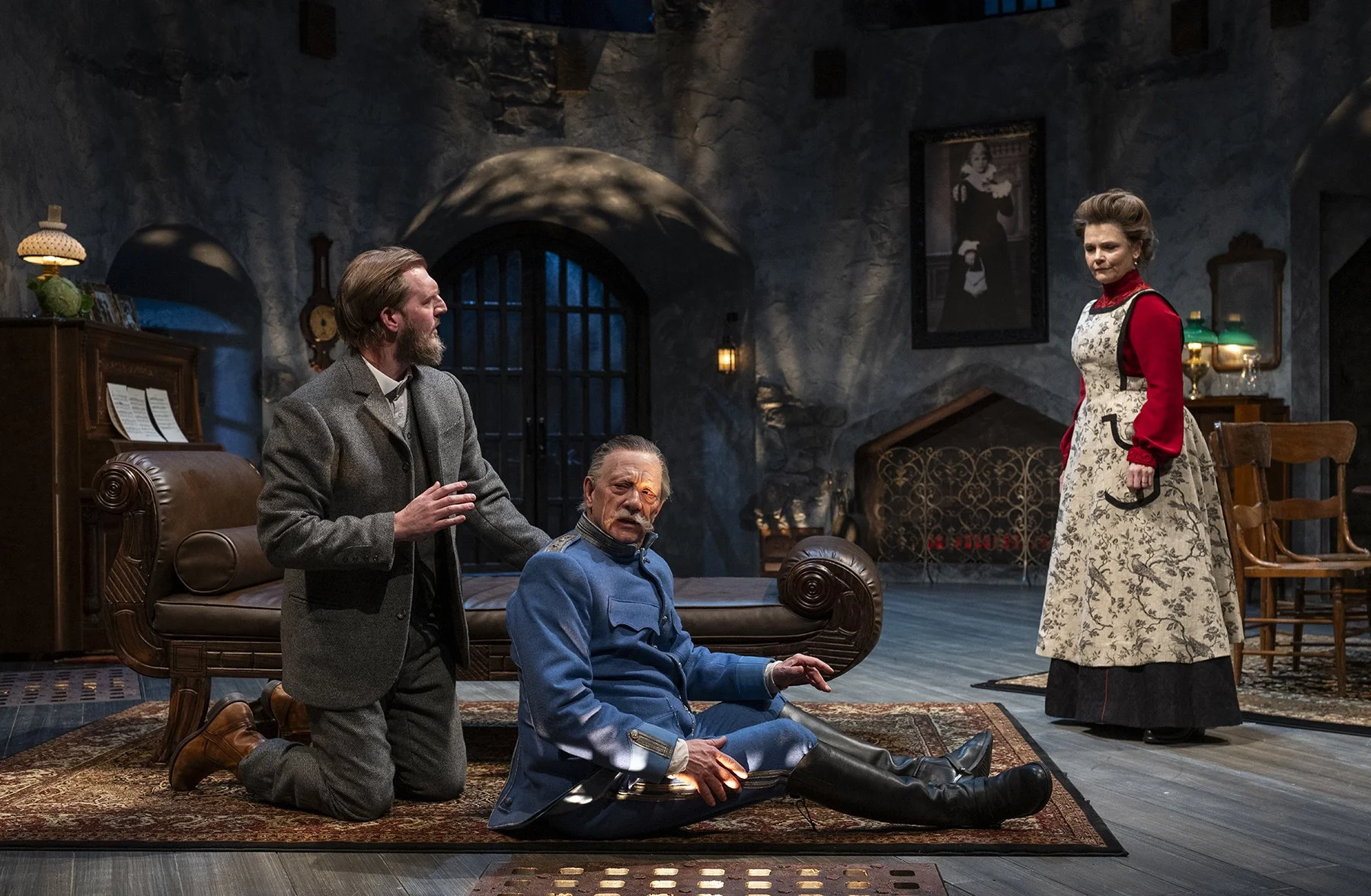
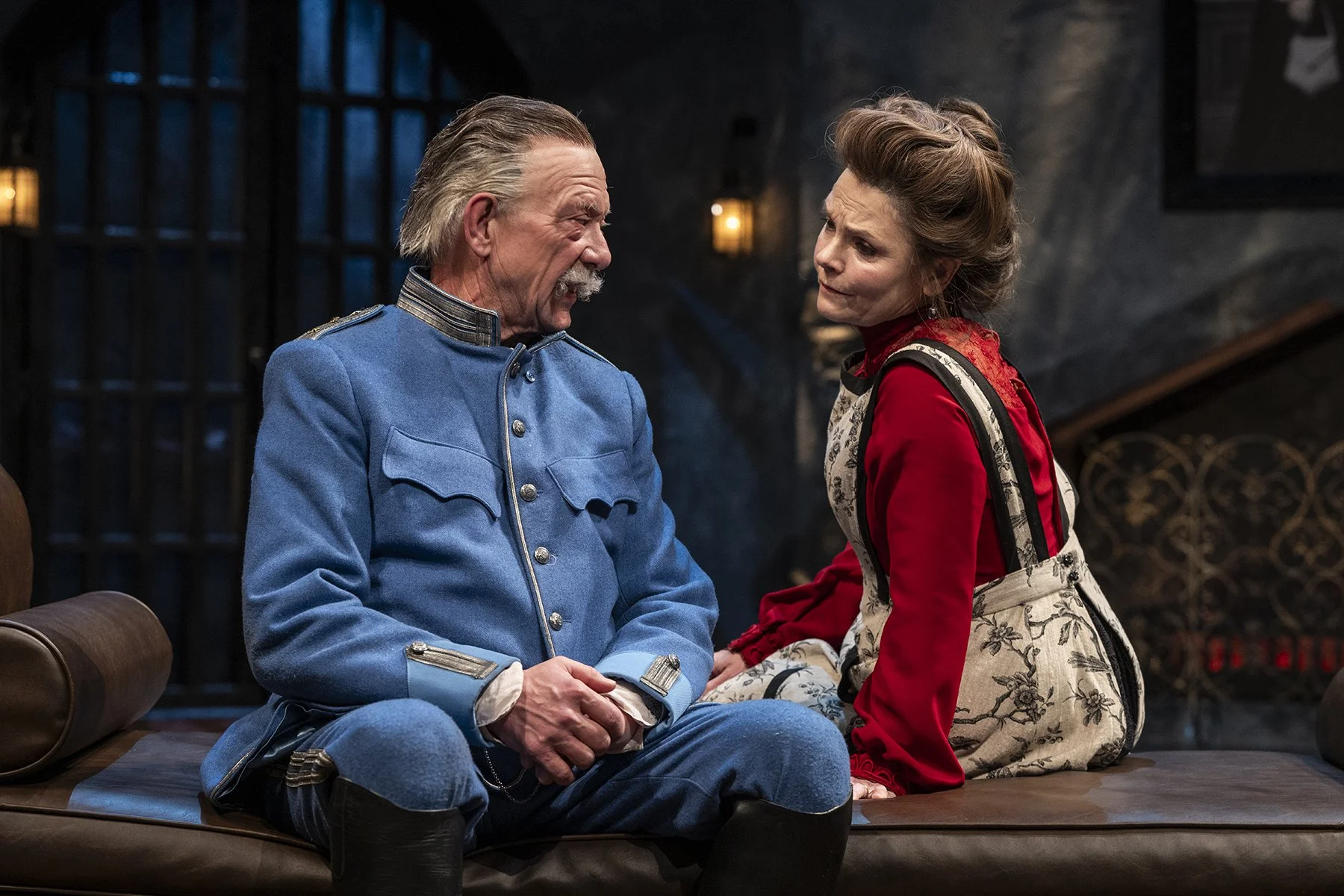
They also particularly enjoy laughing and talking about other people and their misfortunes, and Kurt, who is visiting the island, is drawn into their turbulent marital warfare. Kurt, who is dealing with his own tragedy of losing his children, becomes a pawn in the mental chess games played between Edgar and Alice. His inability to cope with the couple's warfare changes the once-balanced outsider into a broken man who has lost his morality and peace of mind. The play encourages the audience to explore their own psyches to understand the dynamics of lasting relationships and how relationships endure despite hate, years of frustration, and a mix of love, understanding, and need. What does it take to stay together without wanting to kill each other, or at least in thought?
I was genuinely looking forward to witnessing Strindberg's original production, and although McPherson's new version, written in 2003, is witty (somewhat too witty), there was nothing new under the sun. It veered too much toward the comedic, rather than addressing the serious nature of a long-term relationship marked by regrets in Strindberg's play. McPherson skirts over the couple's deep-seated resentment and mutual animosity by infusing sharp, modern humor, lessening the compelling, relatable drama and tragedy felt within a marriage or long-term relationship. The greatness of Strindberg's production lies in its open-endedness, which allows the audience to walk away with their own perspective on life and relationships.
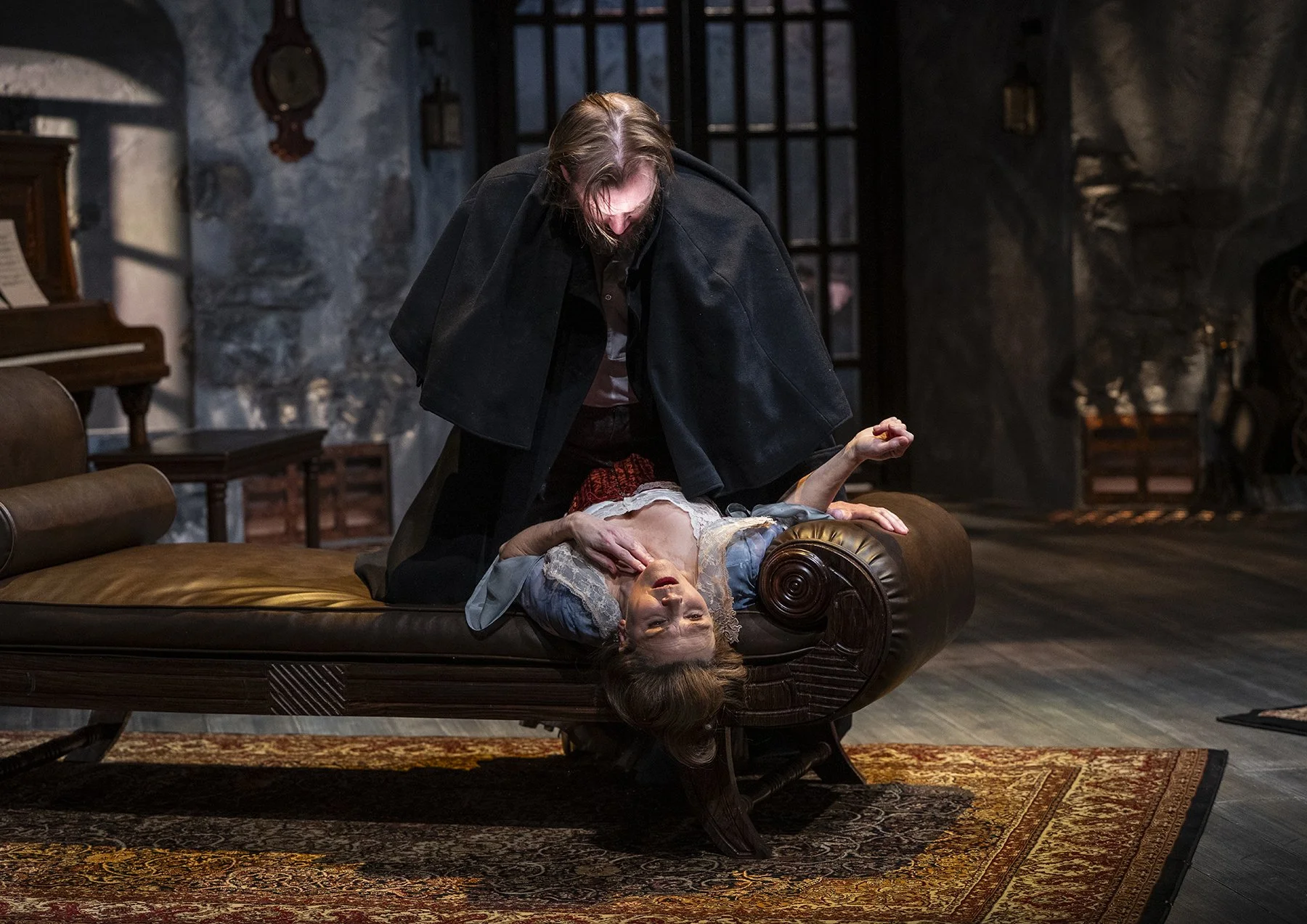
On a positive note, The Dance of Death features an all-ensemble cast and an ensemble director at the helm, with one of my favorite actors, Jeff Perry, whom I would pay dearly to see perform the role of Edgar, as Ian McKellen did. Also featured are ensemble member Kathryn Erbe (Alice) and Cliff Chamberlain as Kurt, representing three generations of ensemble members. McPherson's new version will elicit many laughs from audiences unfamiliar with the original, but seasoned theater veterans will notice the differences. There is no intrigue, mystery, shock, or awe; nothing that can captivate the audience or make them care about the anguish, trauma, and dread that have built up over 25 years living in a marriage filled with resentment and regrets. Nor does it seriously take into account the seriousness of Edgar's illness, which Strindberg utilizes in multiple ways, from fear and manipulation. McPherson filled these traumatic scenes with sarcastic humor and a little marital drama. McPherson introduces a scene that delves into Strindberg's fascination with vampires, in which Kurt appears to sink his teeth into Alice, heightening the eerie, seductive tension between them. Despite its strange introduction, the scene appears oddly disjointed, notably overlooking Strindberg's underlying motivations. Although I applaud director Yasen Peyankov's work on The Dance of Death and his use of an ensemble cast and engaging humor, the production needs more of Strindberg's grit and bleakness to balance the humor. Using comedy and conflict as central themes, much like in "Abbott and Costello Meet Frankenstein."You get the gist!
⭐⭐ 1/2 STARS
Steppenwolf Theater
The Dance of Death
Written by August Strindberg
In a New Version by Conor McPherson
Directed by ensemble member Yasen Peyankov
Now Through March 22, 2026

Thanks for visiting our website. For tickets, please click on the above logo, and for additional reviews, click below.