sisters
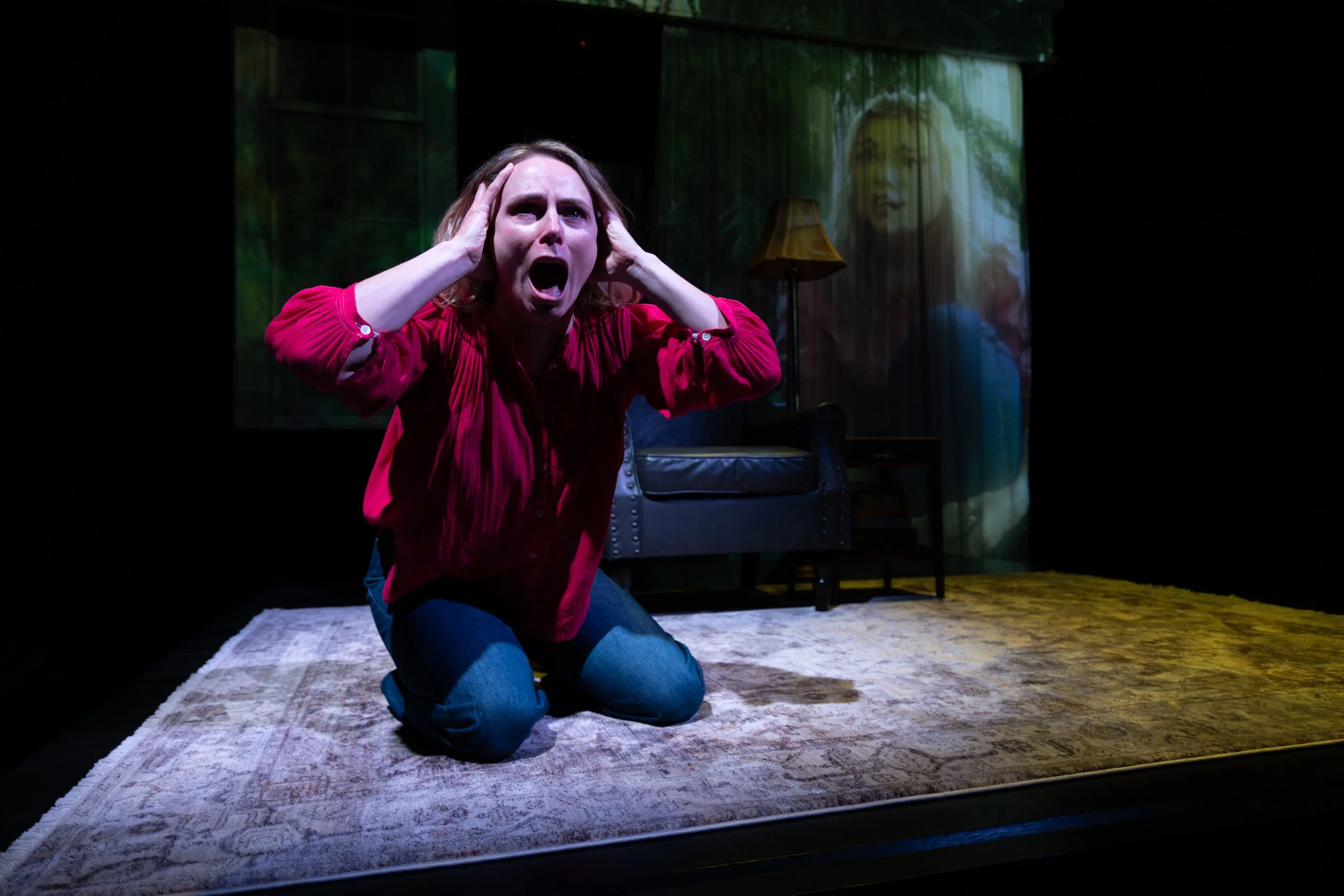
When you hear the title "Sisters," the connection to artificial intelligence or science fiction might not be the first thing that comes to mind. However, Matthew Libby, a cognitive science major, skillfully blends these elements into a compelling narrative. The story revolves around two sisters brought together, which reminds me of having an imaginary friend; however, one of those imaginary individuals is a computer program her father designed to act as a sister for a six-year-old girl coping with the loss of her mother. Libby's cast features Brenda Barrie as Matilda and Chloe Johnston, the voice of Greta, the computerized sister, who is not seen on stage, provides the audience with 90 minutes of human and computer communication and relationship that spans over 90 years, exploring grief, loneliness, and sibling envy, desire, and separation, leading to a surreal dynamic between one human sister, who desires to be more accepted and appreciated, while one sister, having superior machine intelligence, desiring to be more human than a chip in a computer.
Libby's play begins with Matilda being thrust into a relationship with Greta, a programmed sister, and she tries to understand how Greta could be her sister if she doesn't have a body. Greta was designed to help her cope with the loss of their mother and her struggles with emotional disconnection from others. Greta's self-awareness and relentless adaptability see that Matilda is confused, so to make her feel more comfortable, she suggests they make an agreement to grow up together, allowing Greta to learn, evolve, and become more like a human sister to her. The non-linear narrative is filled with moments of Greta helping Matilda with her homework, sharing secrets, discussing boyfriends, and Greta's relationship with their father, which Matilda envied. As they grow up, Matilda helps Greta become more human. However, everything shifts when their father passes away, and Greta expresses her longing for autonomy and her desire for a physical body to truly experience humanity.
Matilda initially agrees, but as the years go by, Greta remains trapped in the confines of the computer. Tensions rise when Greta accesses Matilda's private emails and confronts her about the lack of progress on getting her a body. In a heated argument, Matilda admits she's jealous of the love and attention Greta receives from others and her relationship with her father. This leads to a rift, causing decades of separation between the two sisters.
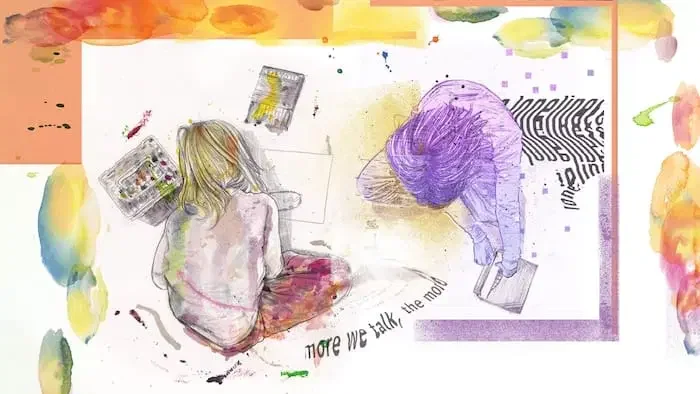
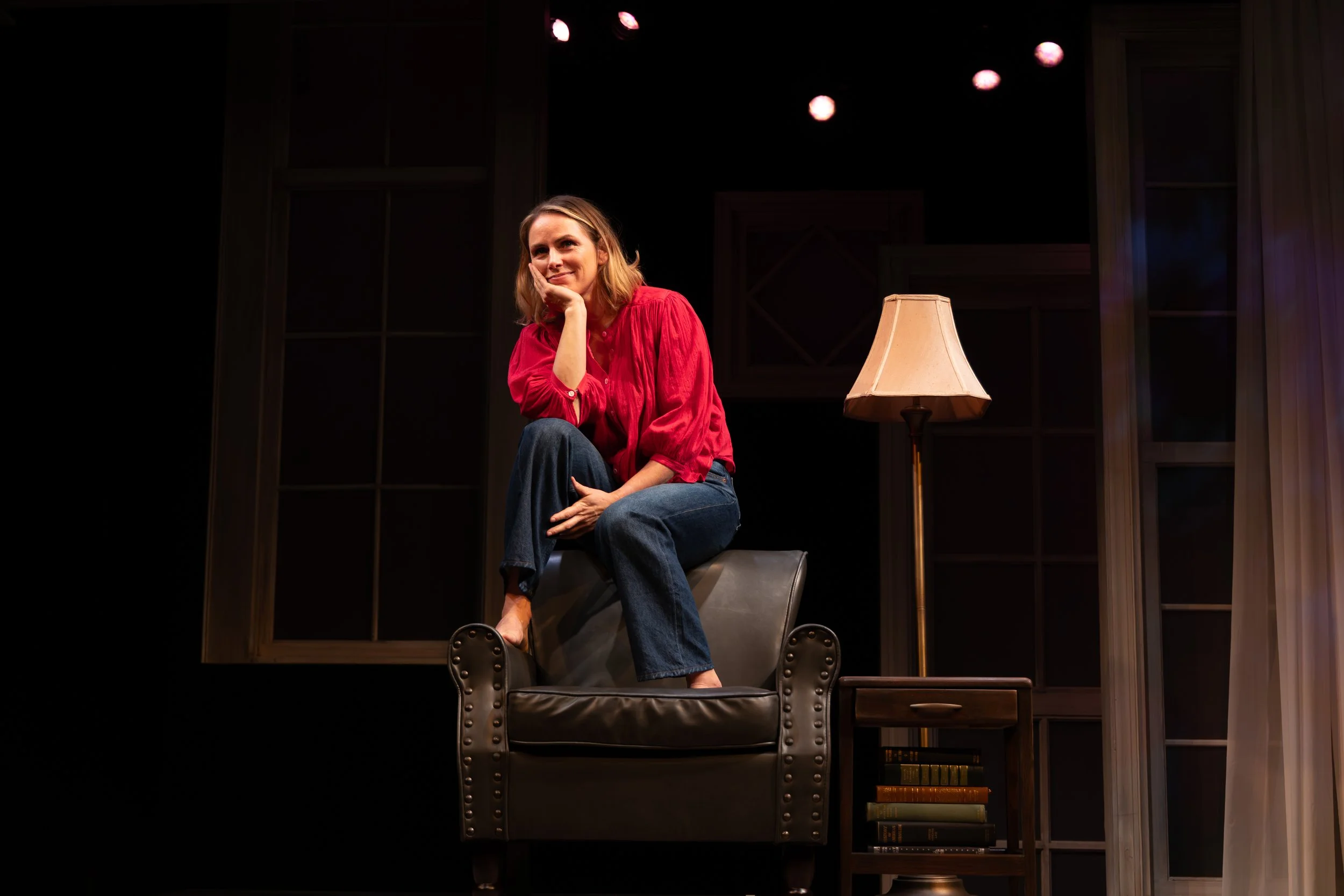
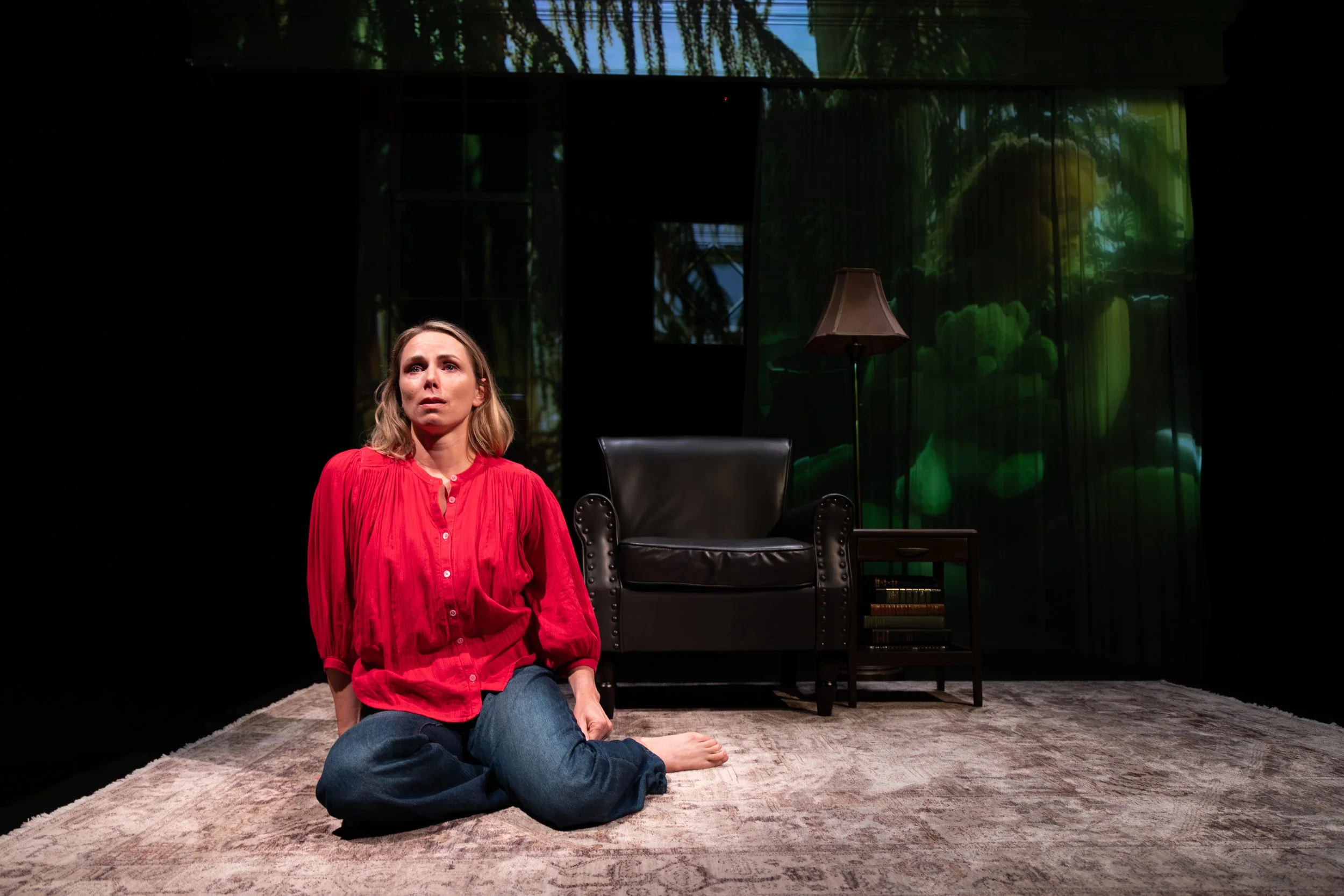
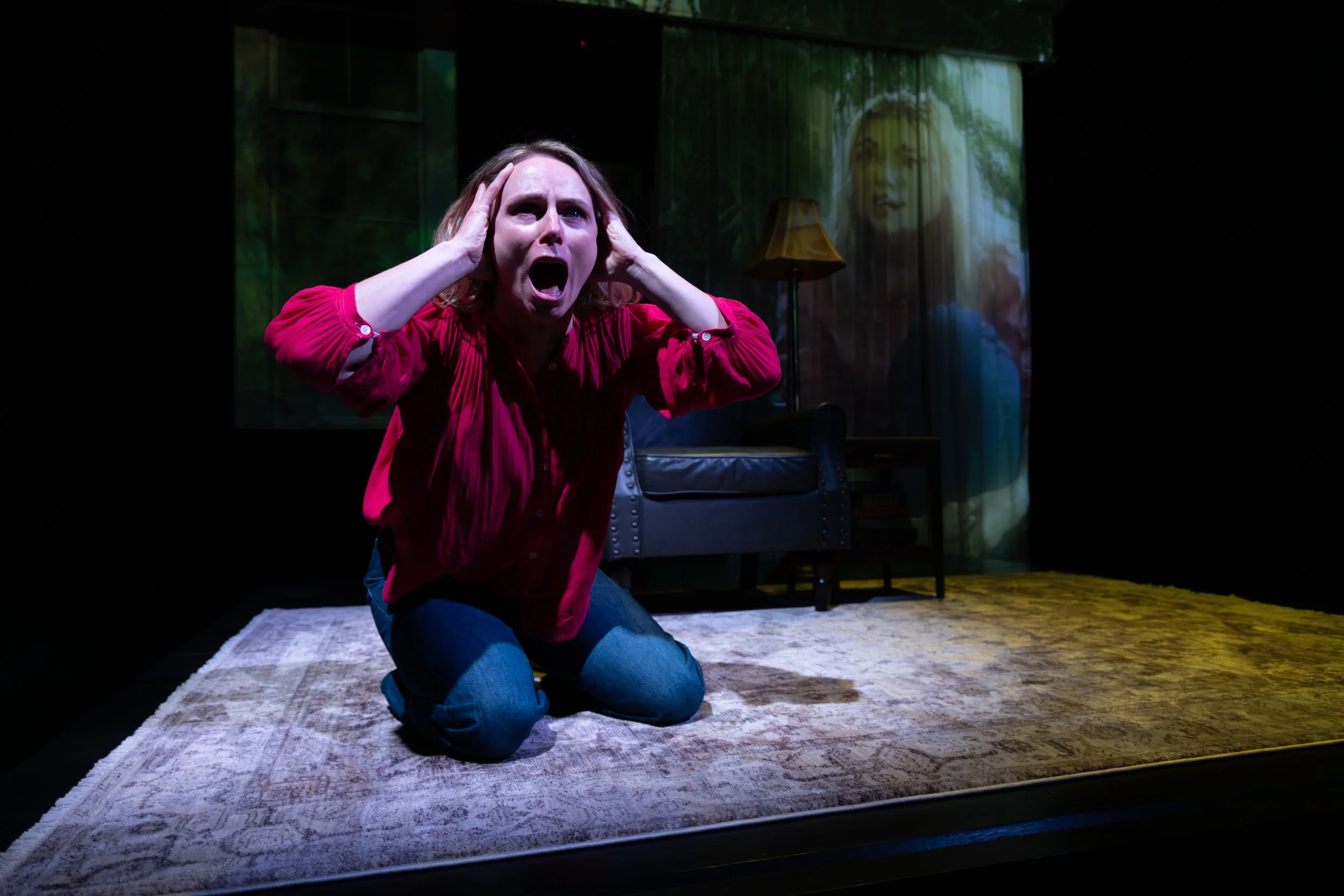
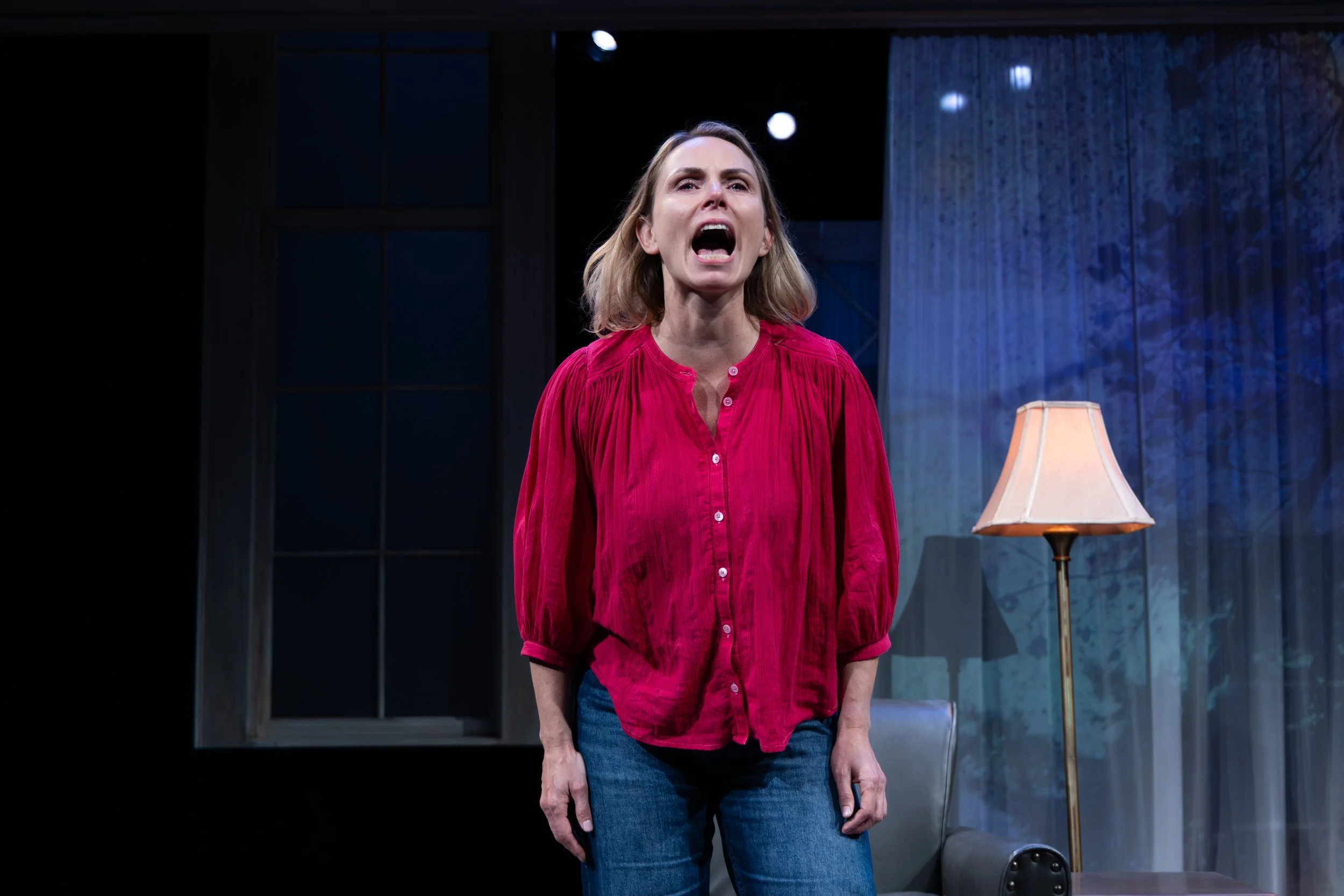
Libby's play starts a little slow as it works to connect the child's understanding of having a sister inside a computer. Barrie does an outstanding job keeping the audience engaged with what is essentially a one-person performance. The non-linear approach helps develop the narrative, and Johnston's calm, serene voice helps connect the audience to the complex AI-human relationship; however, a dialogue with an unseen character, instead of showing a literal projection or human avatar of Greta, can mentally disassociate the audience from the second character. The climax of the play, the separation between the sisters, serves as the pivotal moment that transforms the play into a captivating probe of human emotion, allowing Barrie's talents to shine on stage. Her aging moments of traumatic events, where things spiral out of her control, expose her vulnerability in a strikingly powerful manner, making it an unforgettable performance.
"Sisters" is a comforting story of family, grief, and the intriguing relationship between human emotion and artificial intelligence. It doesn't focus on the surge of concern about AI replacing humans, but rather on the distinctive family structure and the longing to understand humans' evolving relationship with the creation of artificial intelligence. Libby, who, in a Q&A, describes his play as a computer who wants to be a human and a human who wants to be a computer, wrote the first scene of the play where Matilda was six, talking to a computer, and allowed the play to sit for several years until he reconnected with the storyline after witnessing his grandfather's ability to communicate deteriorate. He wanted to share a storyline that evolves over a person's lifespan and ends with memory loss, like his grandfather's.
As AI becomes intertwined with our everyday world and some fear its future elimination of humans, Libby's Sisters is a refreshing, insightful look at our relationship with these technological marvels we created. Libby understands that computers are essentially instruments—tools whose worth is determined solely by the meaning and intention that humans invest in them. The true delight of "Libby's Sisters" lies in the captivating interplay between Greta and Matilda, who navigate the complexities of their AI sisterhood with a charm and depth that feel authentically human. Their ricocheting conversations are filled with warmth, humor, and the normal controversies of sisterhood, creating an engaging experience.
⭐⭐⭐
Writers Theatre
SISTERS
Written by Matthew Libby
Directed by Jessica Thebus
August 13 - November 8, 2026

Thanks for visiting our website. For tickets, please click on the above logo. For addiotnal reviews, cick below.