MA RAINEY'S BLACK BOTTOM
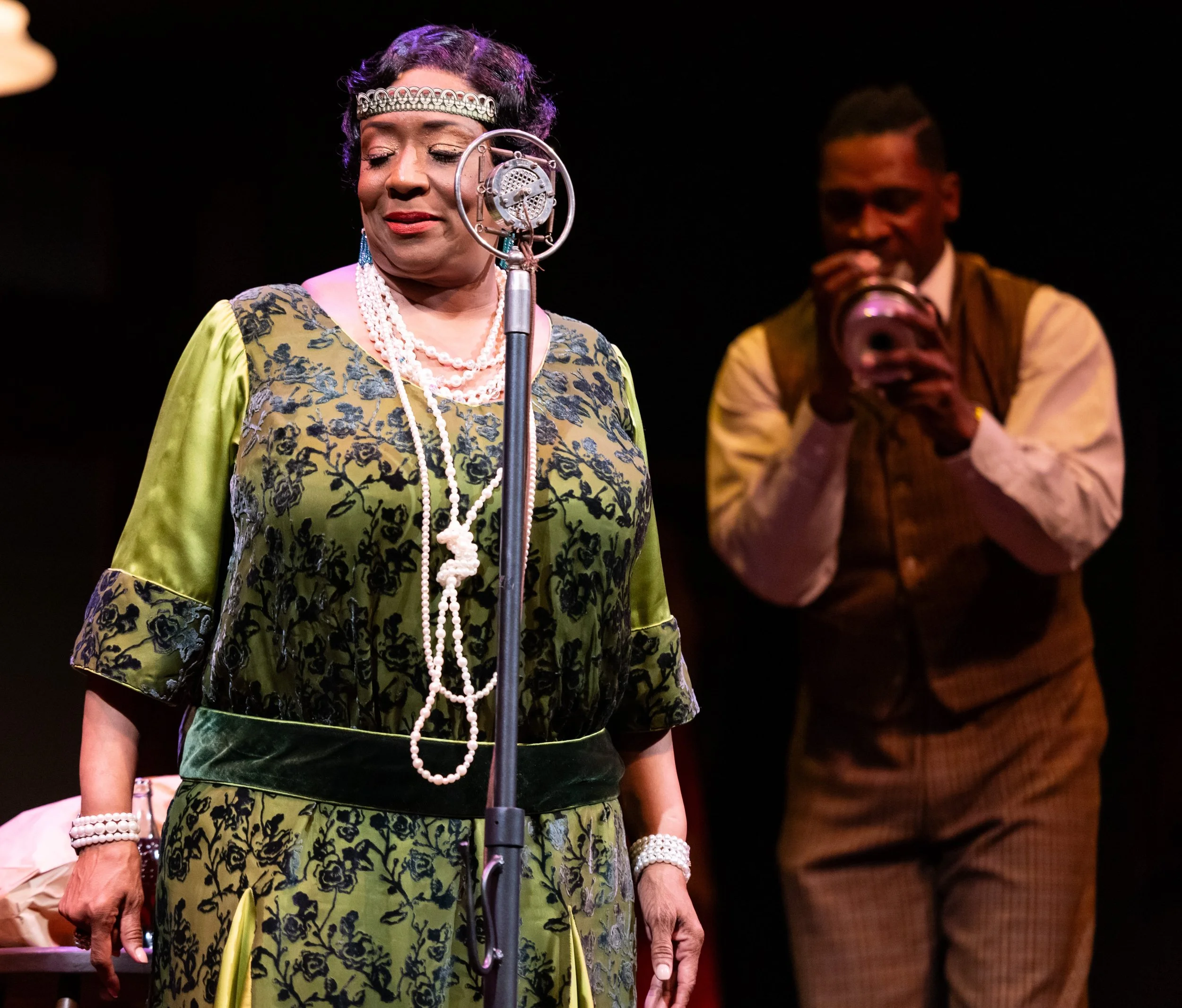
Among August Wilson's renowned ten-play Pittsburgh Cycle, "Ma Rainey's Black Bottom" stands out as one of his most celebrated works, often ranked just behind "Fences" and "The Piano Lesson." This powerful drama captures the struggles and triumphs of African American musicians in the 1920s, showcasing Wilson's masterful ability to illuminate the complexities of our culture and the landscape we endured through tantalizing storytelling. Under the brilliant vision and expert guidance of Chuck Smith, the Family Resident Director and esteemed member of the Board of Trustees, and Harry J. Lennix, Wilson's enchanting and witty play transforms into a remarkable theatrical experience that captivates the audience. Each cast member's performance is nothing short of extraordinary, showcasing their remarkable talent and bringing Wilson's incredible story to life. Ma Rainey's Black Bottom catapulted him into the national spotlight, which was one of the ten-play Pittsburgh Cycle that chronicles the twentieth-century African American experience that didn't take place in Pittsburgh. This play fictionalizes the life of Gertrude Malissa Pridgett, known as the singer Ma Rainey and the "Mother of the Blues," whose career spanned from 1899 to 1933.
Wilson's work addresses many issues in art and religion, the historic exploitation of black recording artists by white producers, and the title refers to a song of the same name by Ma Rainey, which refers to the dance called 'Black Bottom!' Ma Rainey's Black Bottom is set in Chicago in a recording studio in 1927. Although the play centers around Ma Rainey, most of the storylines begin with her four band members: Cutler/ trombonist (David Alan Anderson), Toledo/pianist (Kelvin Roston Jr), Slow Drag/bassist (Cedric Young), and protagonist Levee/trumpeter (Al' Jaleel McGhee).

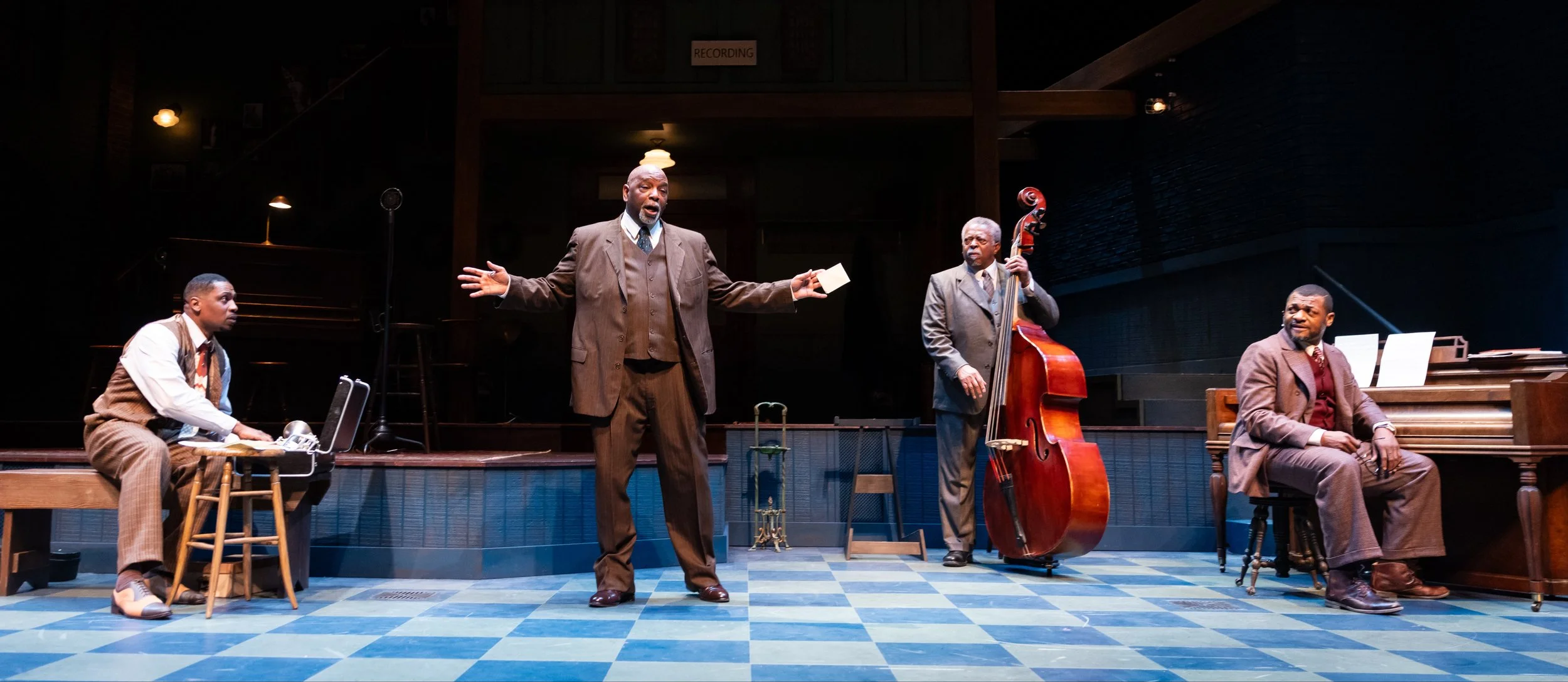
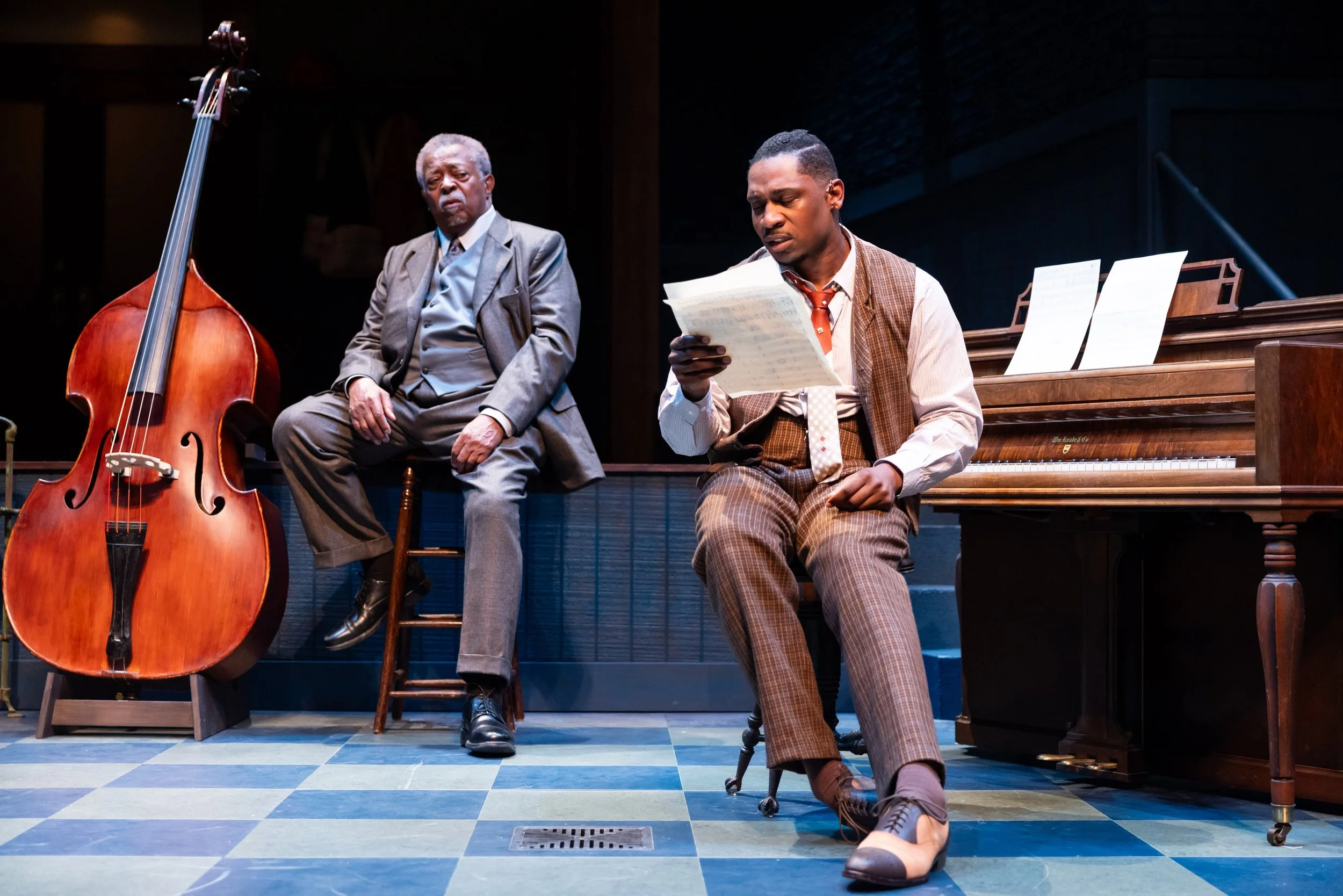
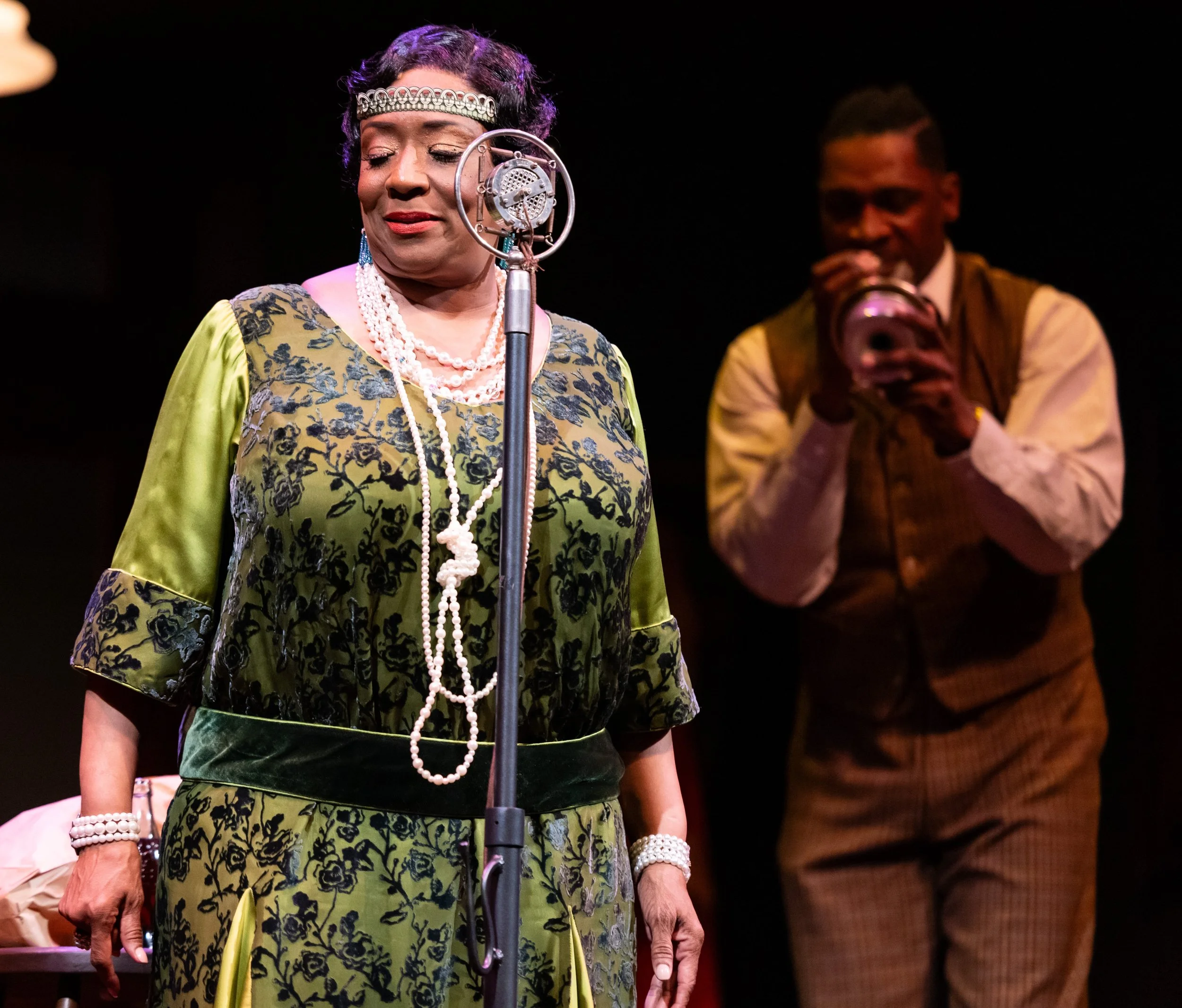
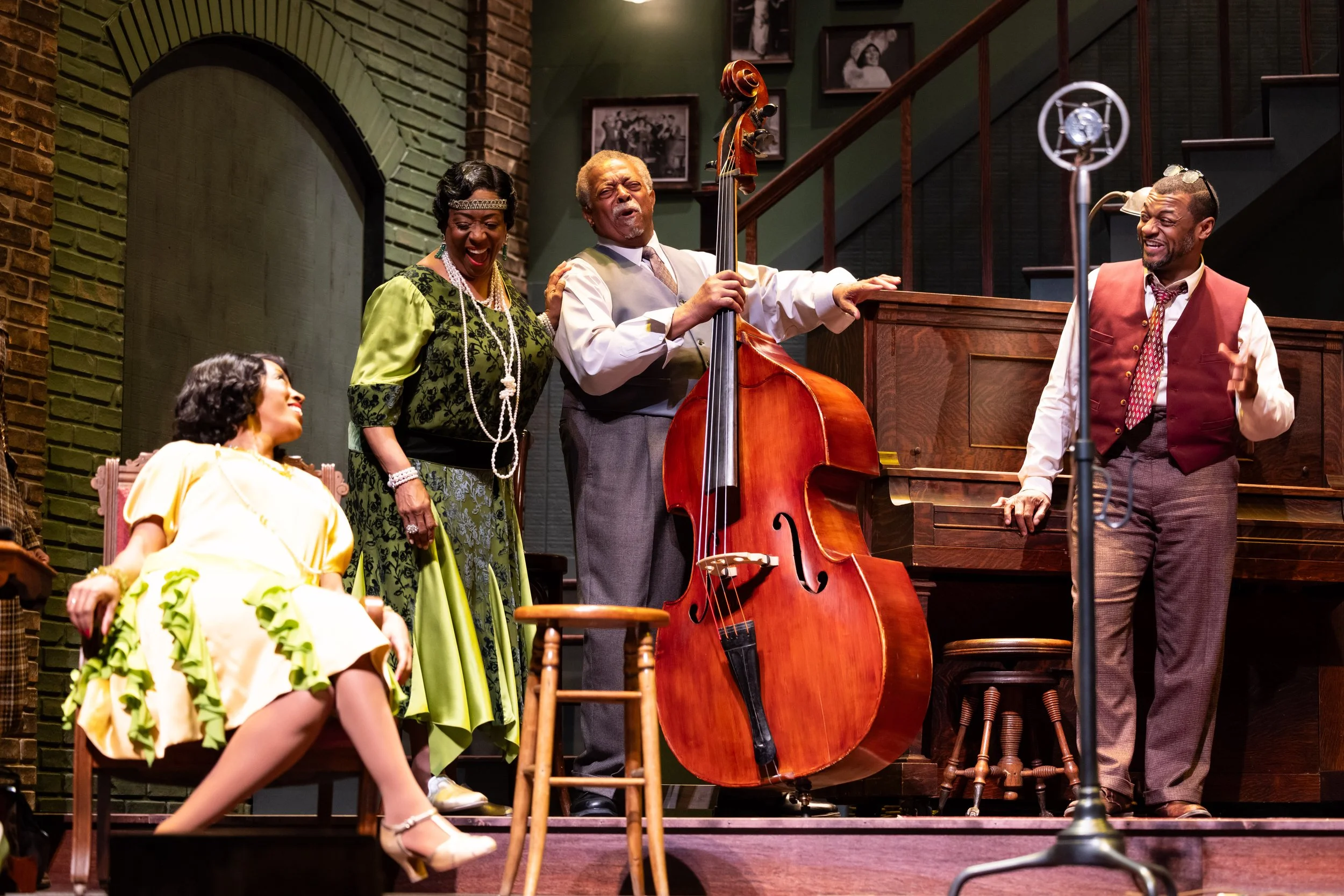
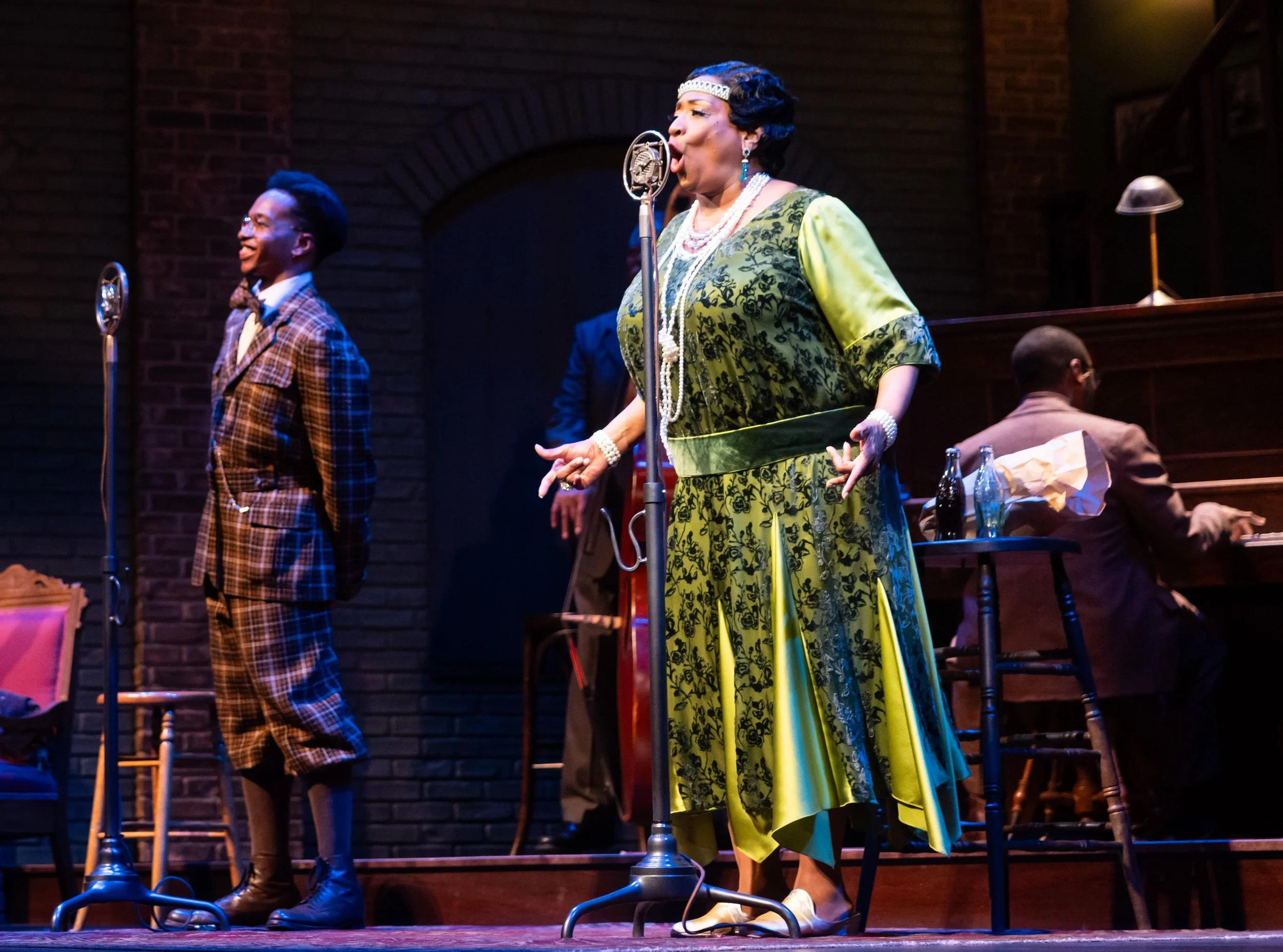
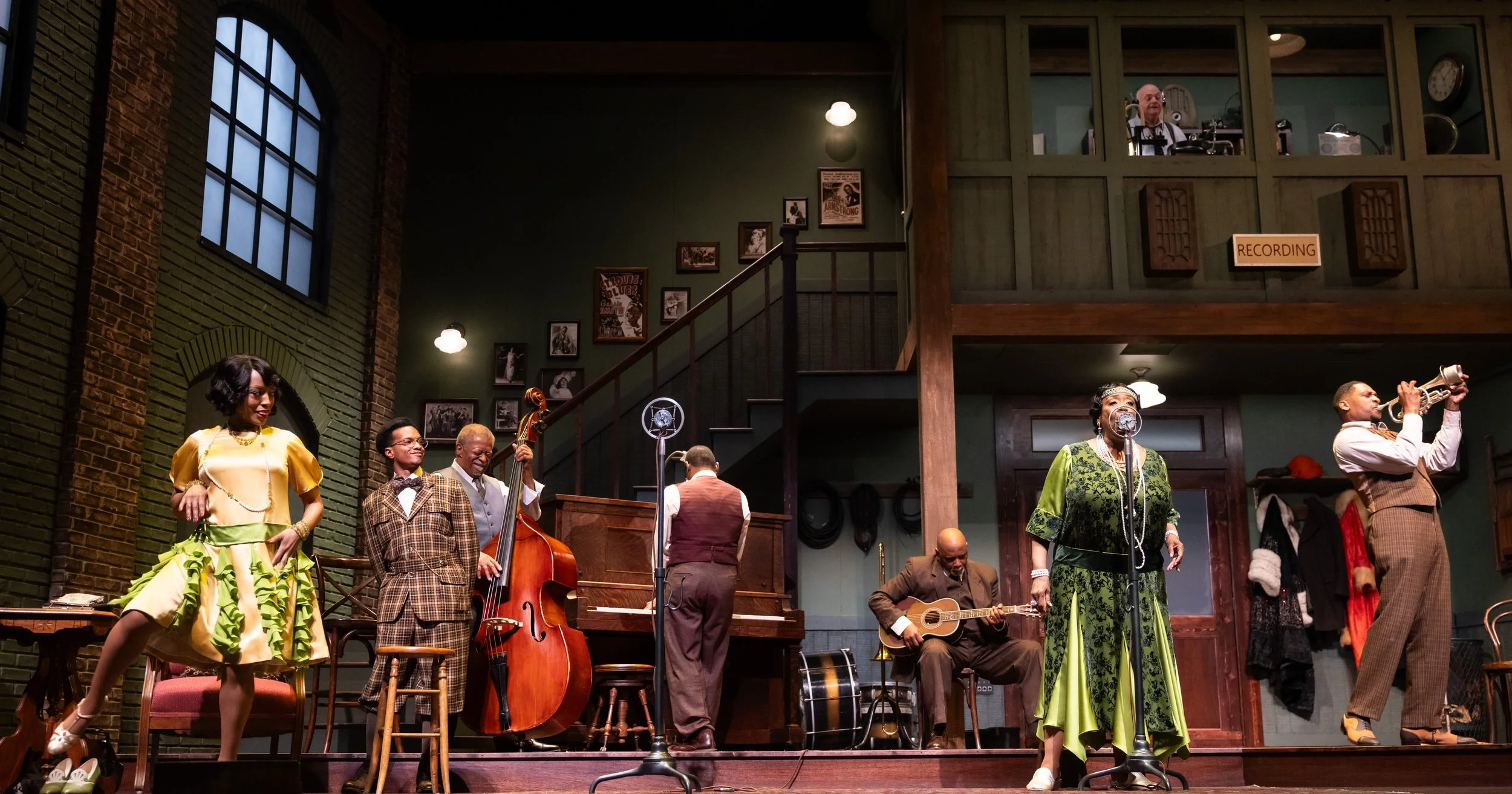
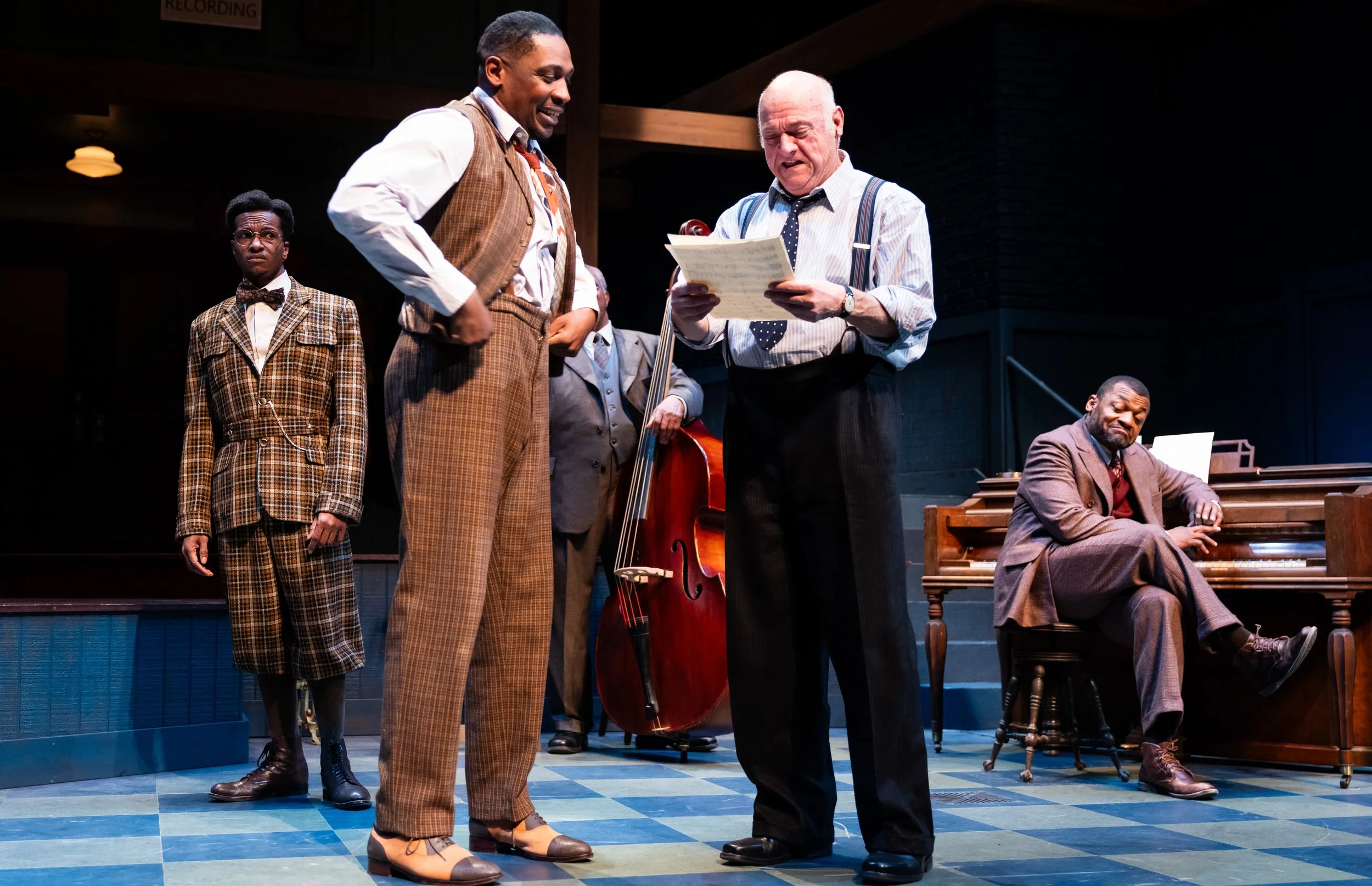
The band members sit in anticipation, eagerly waiting for the arrival of Ma Rainey, portrayed by E. Faye Butler, who is late for their recording session. This moment of suspense provides playwright August Wilson with a perfect opportunity to delve into the complex lives and stories of the musicians, revealing their hopes, dreams, struggles, and the historical trauma they endured as they navigated the music industry amid racial tensions, in a world where they were deemed inferior. Wilson's in-depth characterization of these band members lays the foundation of the narrative, where systemic oppression of White society largely sought to control the success of black Americans; however, his focus is more on their resilience and how they built their own success despite the oppressive culture. Ma Rainey's remarkable success was a testament to her incredible resilience and unwavering determination. Throughout her career, she tirelessly toured across the country, captivating Black audiences with her powerful voice and magnetic stage presence. She also possessed a keen business sense, which enabled her to demand things from the recording agency that other Black artists in the industry could not even request. She was well aware that signing over the rights to her recordings would leave her vulnerable, leading to a lack of tolerance and respect from her white business partners, which fueled her drive to maintain control over her work and legacy.
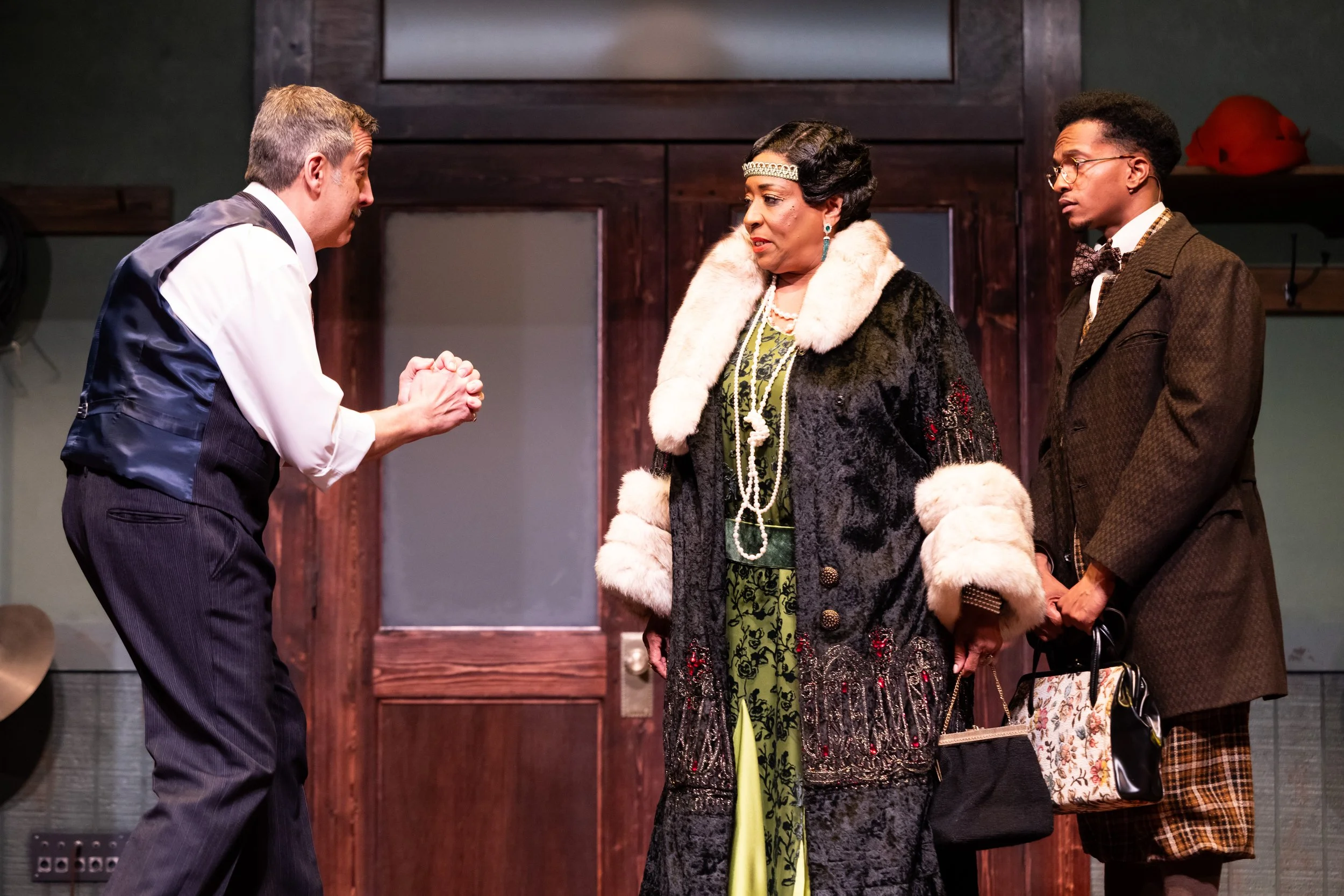
This allowed her to arrive at the studio when she pleases, to record a new album of her latest songs. During their wait, Act One highlights the four men as they share stories, joke, argue, and philosophize about life and being black men in America. An hour after the scheduled time, Ma Rainey strolls into the building for the recording session. She arrived with her stuttering nephew, Sylvester (Jabari Khaliq), who she insists vocalizes the introduction to the title song, "Ma Rainey's Black Bottom," and her girlfriend, Dussie Mae (Tiffany Renee Johnson). Ma is a formidable woman who demands unwavering loyalty and deep respect from those around her. No one dares to tell her what to do or when, which creates an intense atmosphere for Act Two. In this pivotal section, Levee discovers the harsh reality of challenging Ma's powerful presence. As he navigates his ambition and desires, he learns a crucial lesson about the consequences of questioning her authority and the misguided trust he places in the words of the white producers.
August Wilson's plays are known for having the derogatory n-word, which appears 327 times in August Wilson's complete Century Cycle. The use of this word is to emphasize racism and the rebellion against racial inequality. Wilson felt that the utterance of the n-word conveys feelings and conditions rather than referring to actual people. Renowned veteran actress and singer E Faye Butler provides an outstanding performance as the wise, tough-talking Ma Rainey. Anderson, McGhee, Roston Jr., and Young, as the band was engaging and witty, captivating the audience throughout the play. McGhee provides a powerful performance as Levee throughout, and his gripping scene where he curses God for his mother's rape by a gang of white men was magnificent. Watching him in numerous plays in Chicago has been a delight and a true joy, experiencing his talent. Matt Decardo (Sturdyvant), Marc Grapey (Irvin), and Tiffany Renee Johnson (Dussie Mae) were all outstanding, and Jabari Khaliq, in his limited role as Sylvester, was impressive.
Ma Rainey's Black Bottom is a very intense play with many layers of emotion. It stands as a remarkable masterpiece that reflects the essence of black creativity and is one of the year's most inspiring Must-See theatrical performances.
⭐⭐⭐⭐
GOODMAN THEATRE
MA RAINEY'S BLACK BOTTOM
Written by August Wilson
Directed by Chuck Smith
Associate and Music Director Harry J. Lennix
Now Extended Through May 3, 2026

Thanks for visiting our website. For tickets, please click on the above logo and for additional reviews, click on the log below.