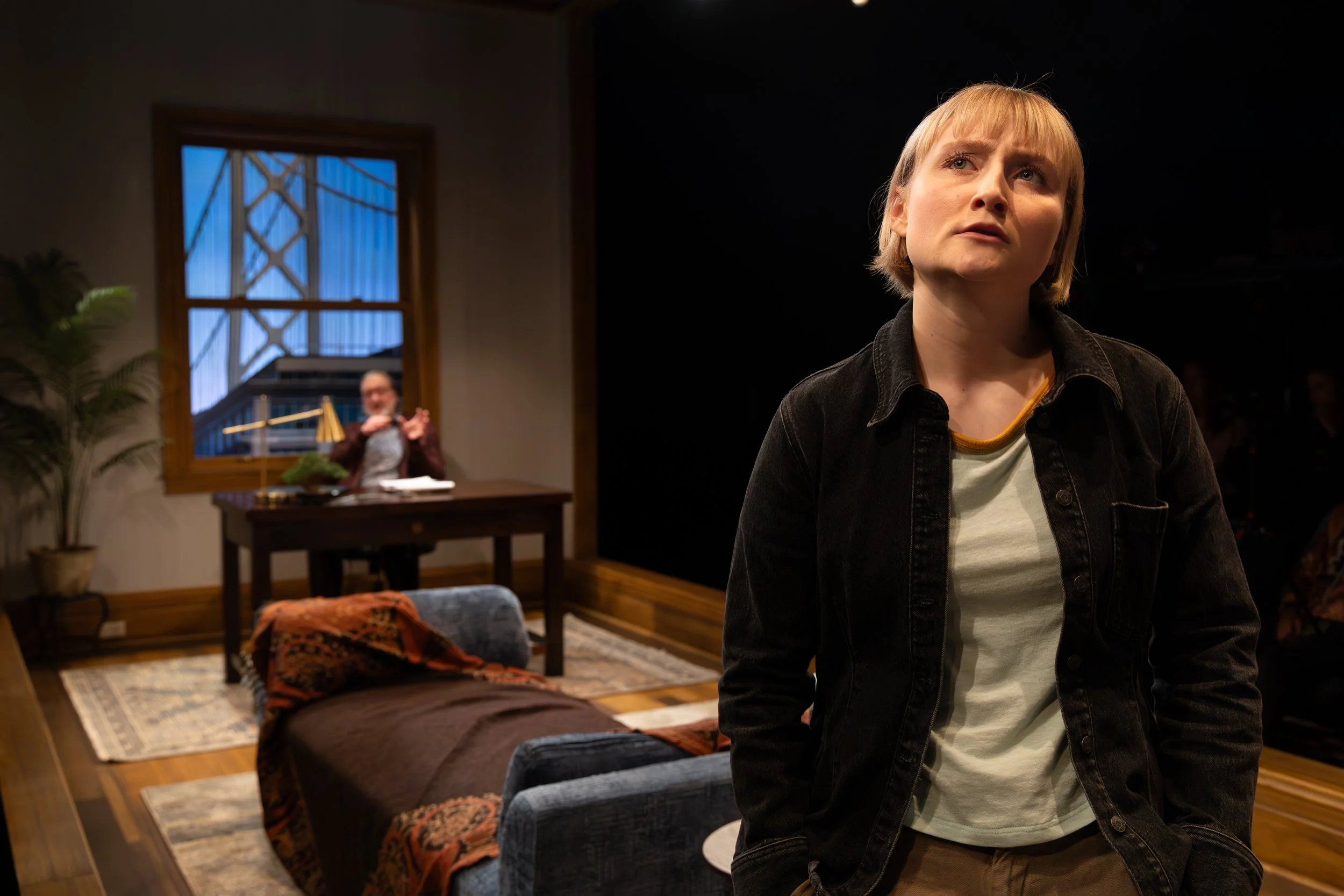
Max Friedlich's Job is one of the reasons why I love theater. It illustrates the exhilarating energy of live performers on stage, effortlessly delivering months of meticulously rehearsed lines. The intensity of dialogue that resonates with raw emotions, capturing the profound joys and sorrows of humanity, creates a captivating connection between the actors and the audience with each performance. I find joy in the theater as I embrace the duality of my experience—sitting as a critic, analyzing the nuances of each character's words, movements, and expressions, while also becoming a passionate theater fanatic, mesmerized by the chemistry on stage. As the plot thickens, I witness the playwright's thoughts being unveiled, reminding me of the transformative power of storytelling and the beauty of shared emotion. I love all forms of theater, but psychological thrillers are at the top of my list. The rich narrative and dialogue that dissect a man's inner thoughts, delve into unstable or delusional mental states, explore the ticking clock and time bomb effects, which let's you glimpse the thrilling internal and external conflicts of a character, have always fascinated me. This is how I felt about Max Friedlich's Job. I might be a little biased here, as for several decades I served a role similar to Loyd's as a church counselor, meeting with individuals and couples. Job uses religious and spiritual undercurrents, framed through a modern lens on the biblical suffering Job endured, as Jane felt her extreme suffering was evidence of her self-worth—and even if I remove my experience and bias toward psychological thrillers, Job was 85 minutes of intense, pure joy.
The fierce, two-person drama explores the dark side of the internet and centers on Jane, an employee at a big tech company who has been placed on leave after a video of her emotional breakdown at work went viral. Fearful of legal action for invasion of privacy stemming from the leaked video, Jane's employer tells her a crisis therapist must evaluate her before she can be reinstated. Jane is resistant but complies, as she loves her job, which gives her life meaning. The entire drama unfolds in Loyd's crisis therapist's office. Through flashbacks, their first session quickly escalates into an epic showdown, with Jane pointing a gun at Loyd, changing the therapist-patient relationship, which he wanted to foster into him becoming a hostage negotiator. Job dives deep into the disturbing trends lurking in the dark web, where predators seek to lure others into their depravity, posting all types of child exploitation material, leaving those employed to weed out these immoral behaviors and the psychological effects they cause others. It also touches on generational tensions around the use of the internet and how different age groups view the role of technology for children, who may be unable to comprehend the dangers of this technology and its overall mental health issues related to prolonged use. In Jane's situation, her duty to protect others turned into an obsession. It gave her a purpose, driving her to ensure others' safety at all costs, leaving her increasingly consumed by her mission.

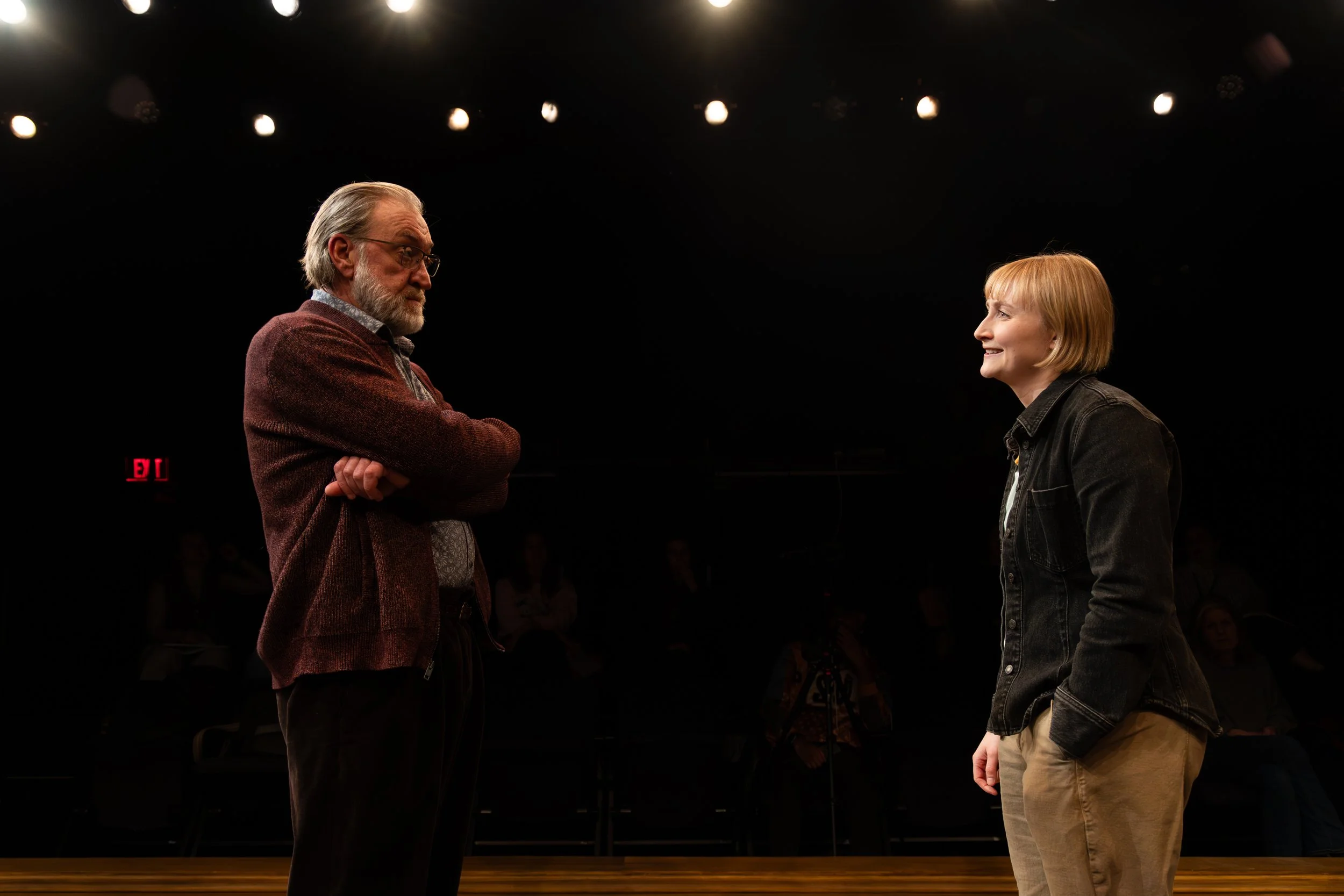
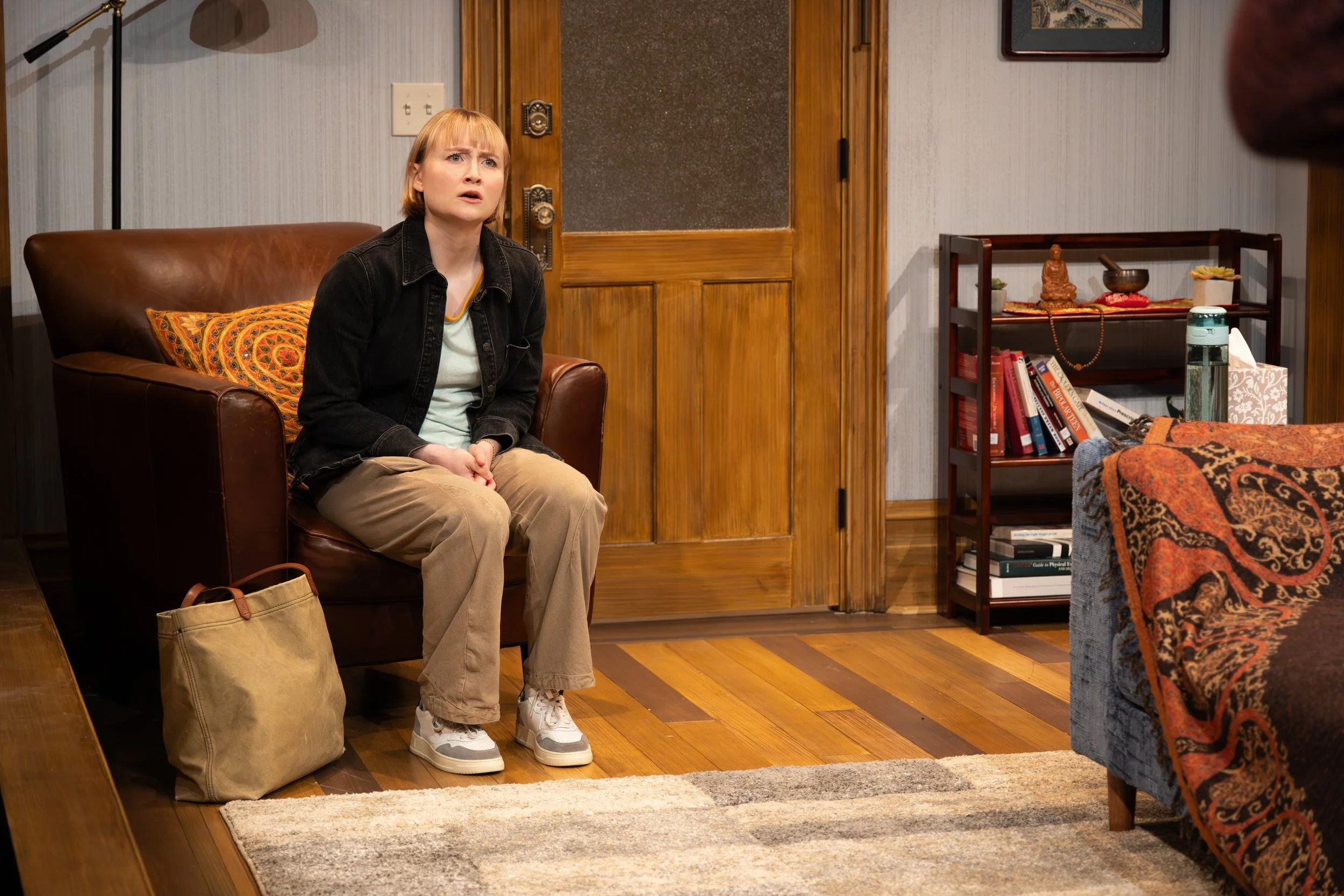
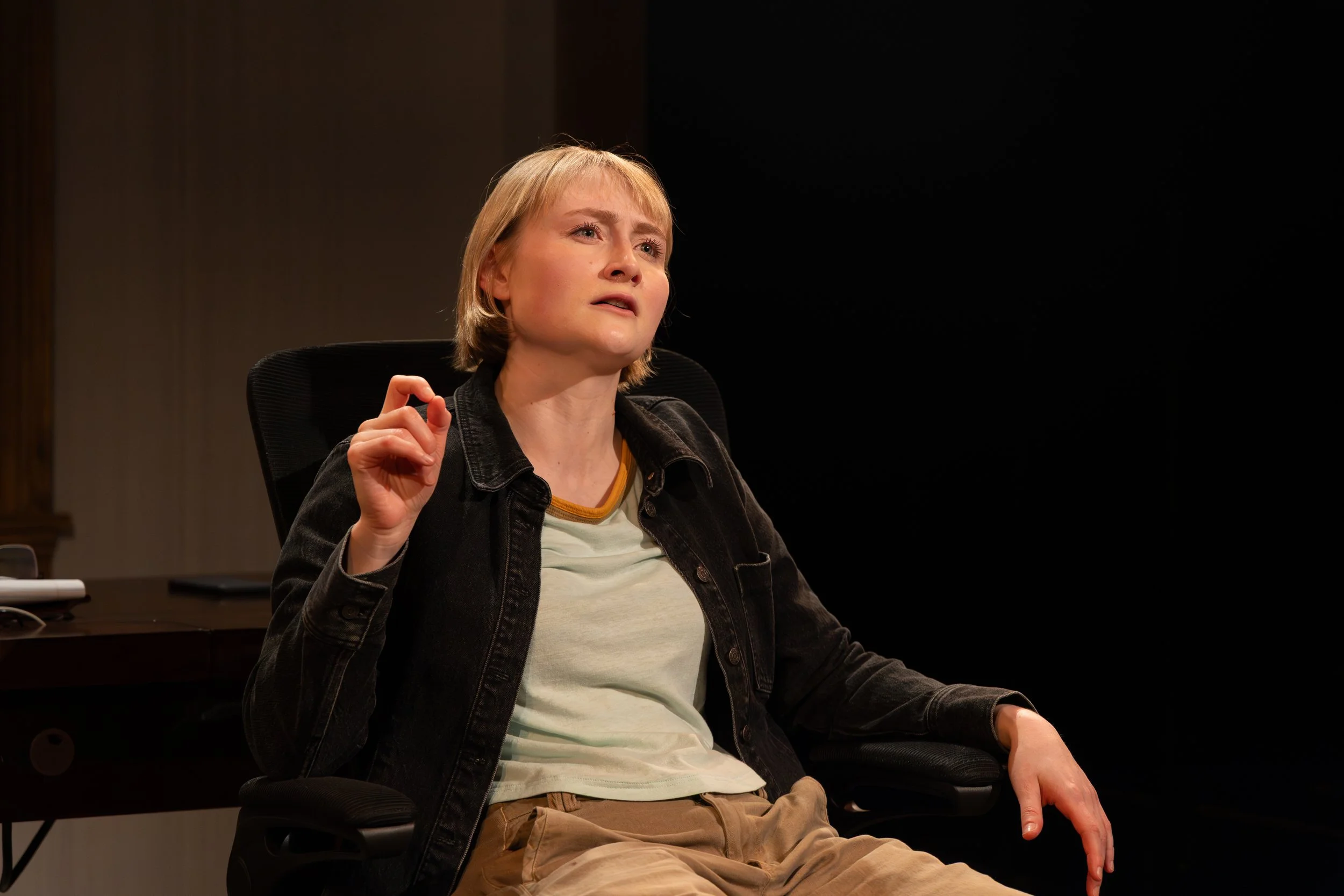
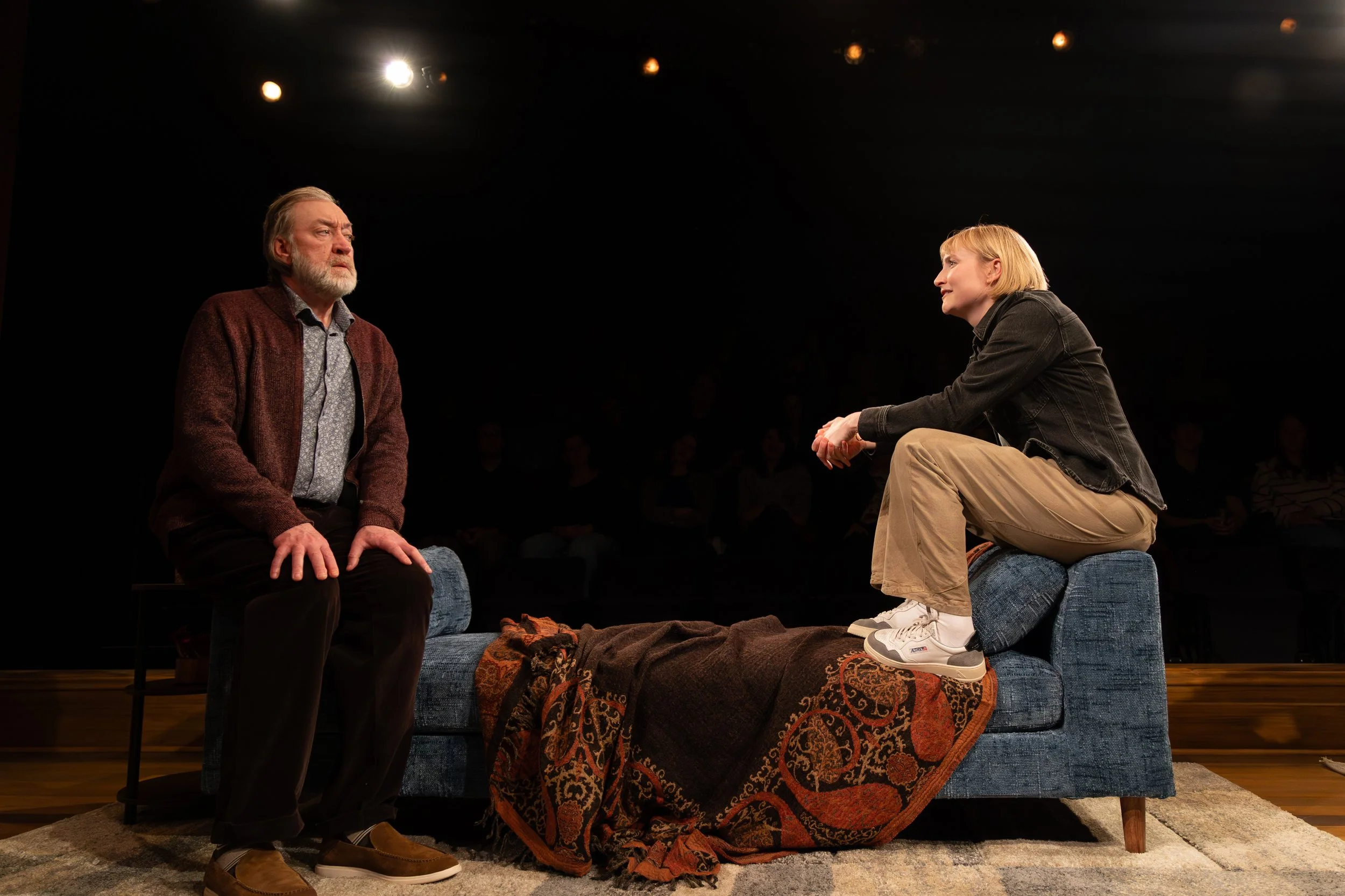
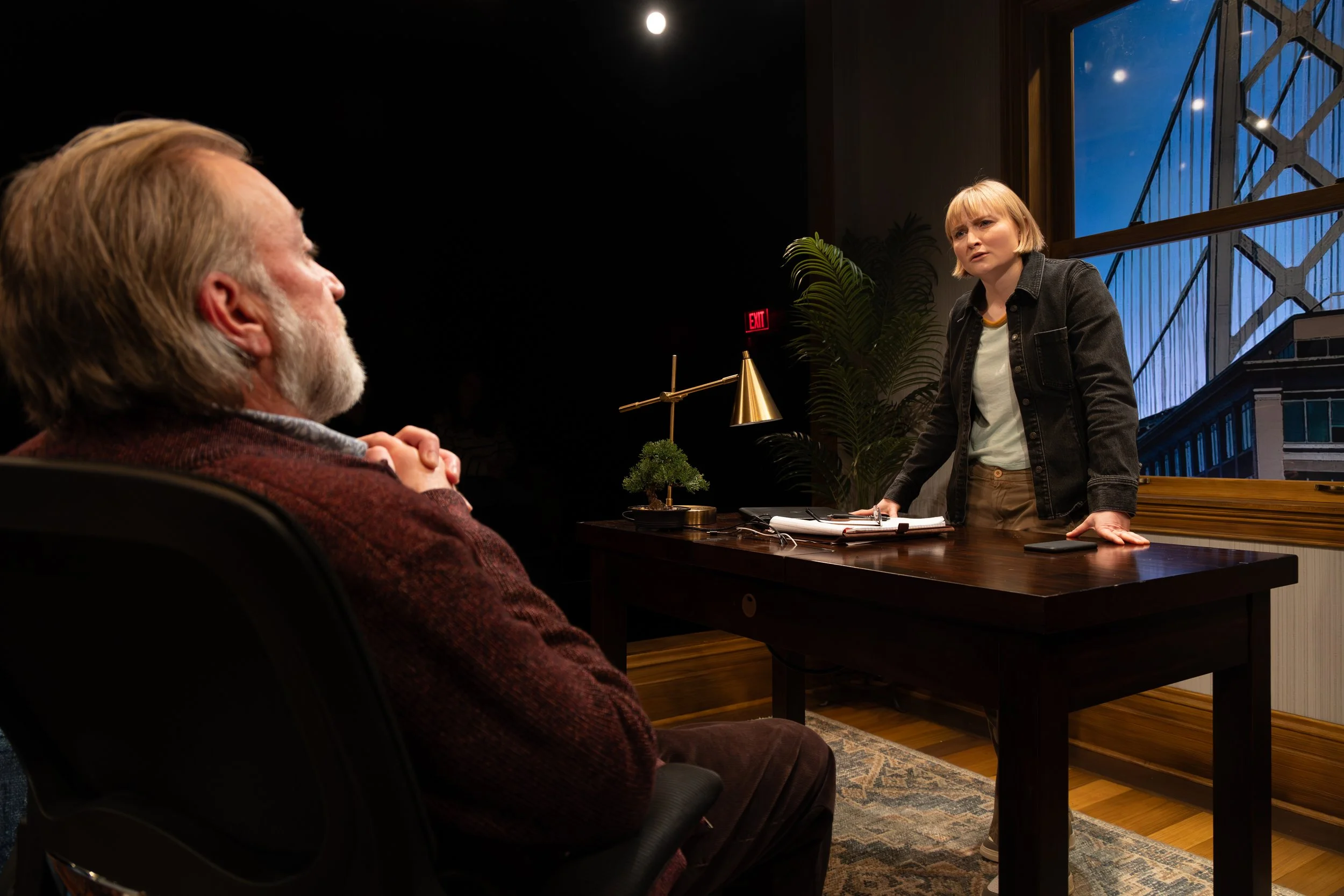
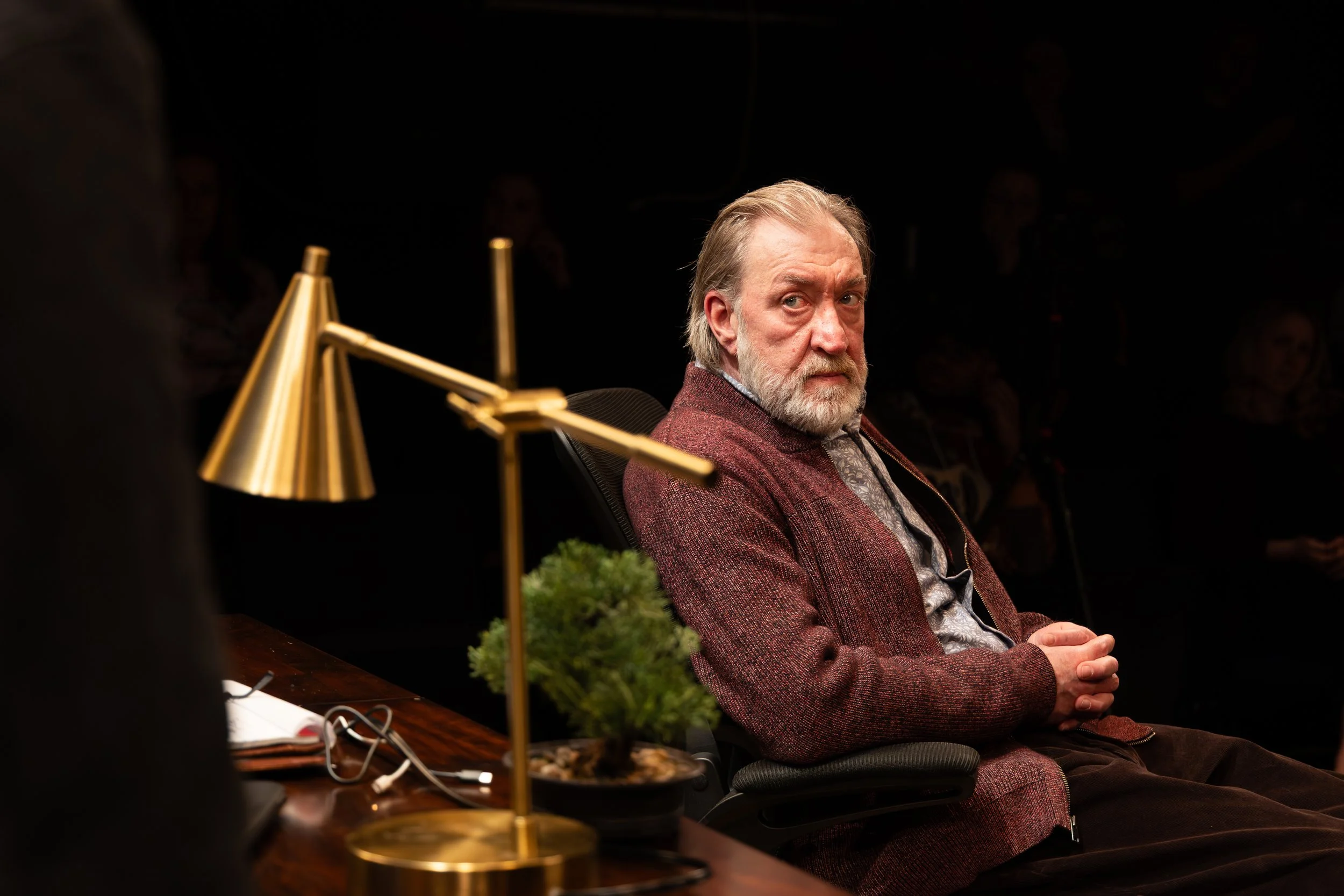
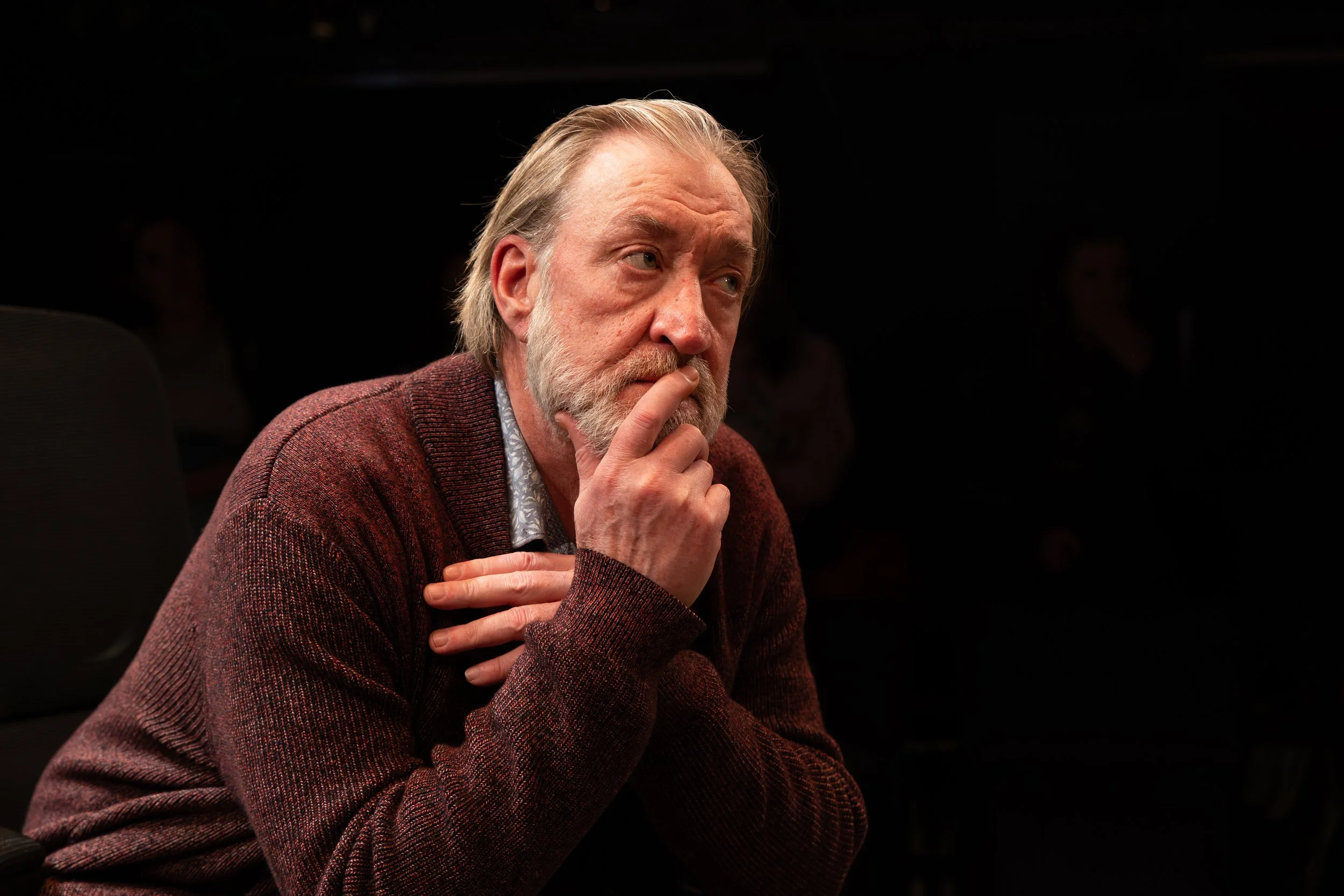
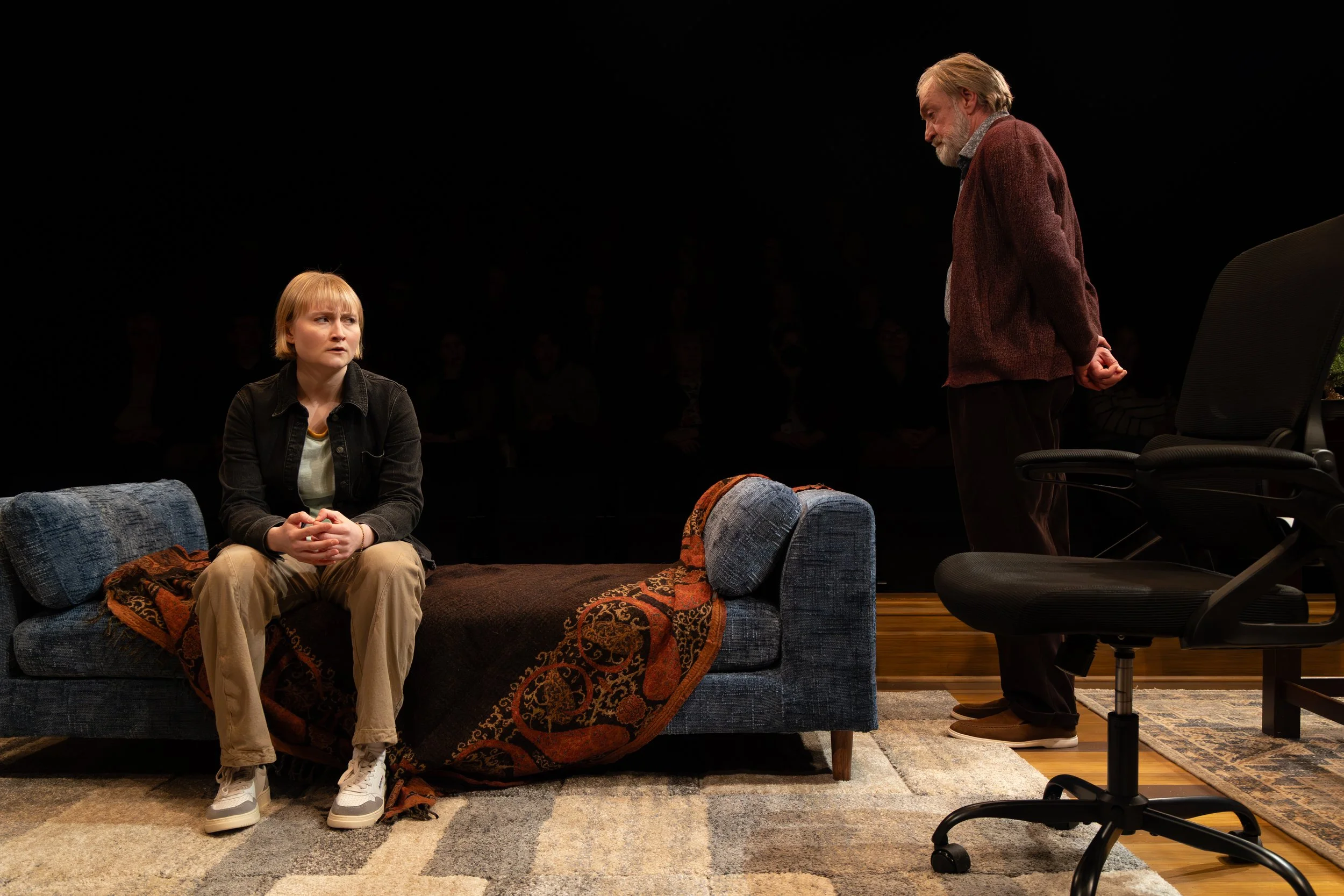
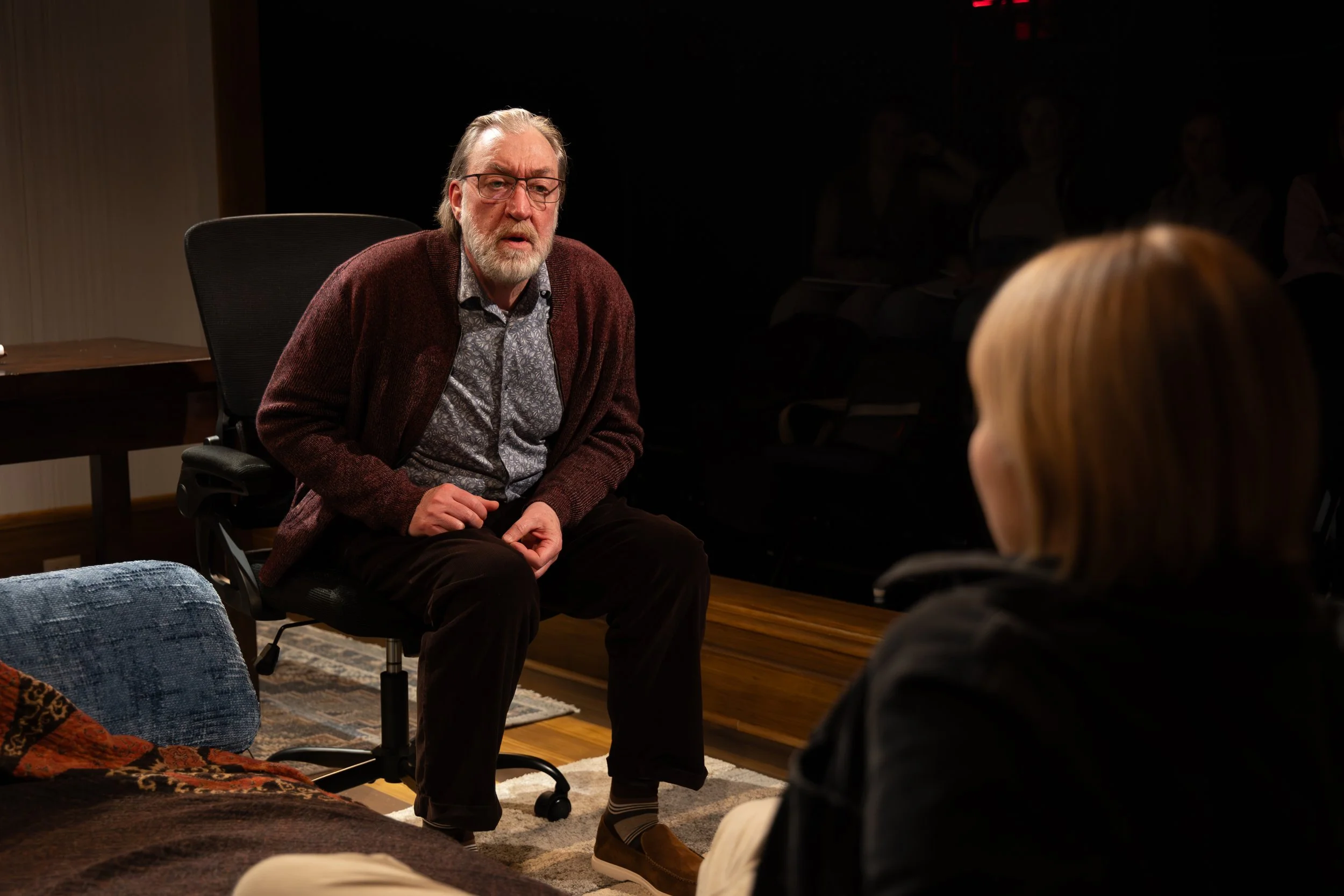
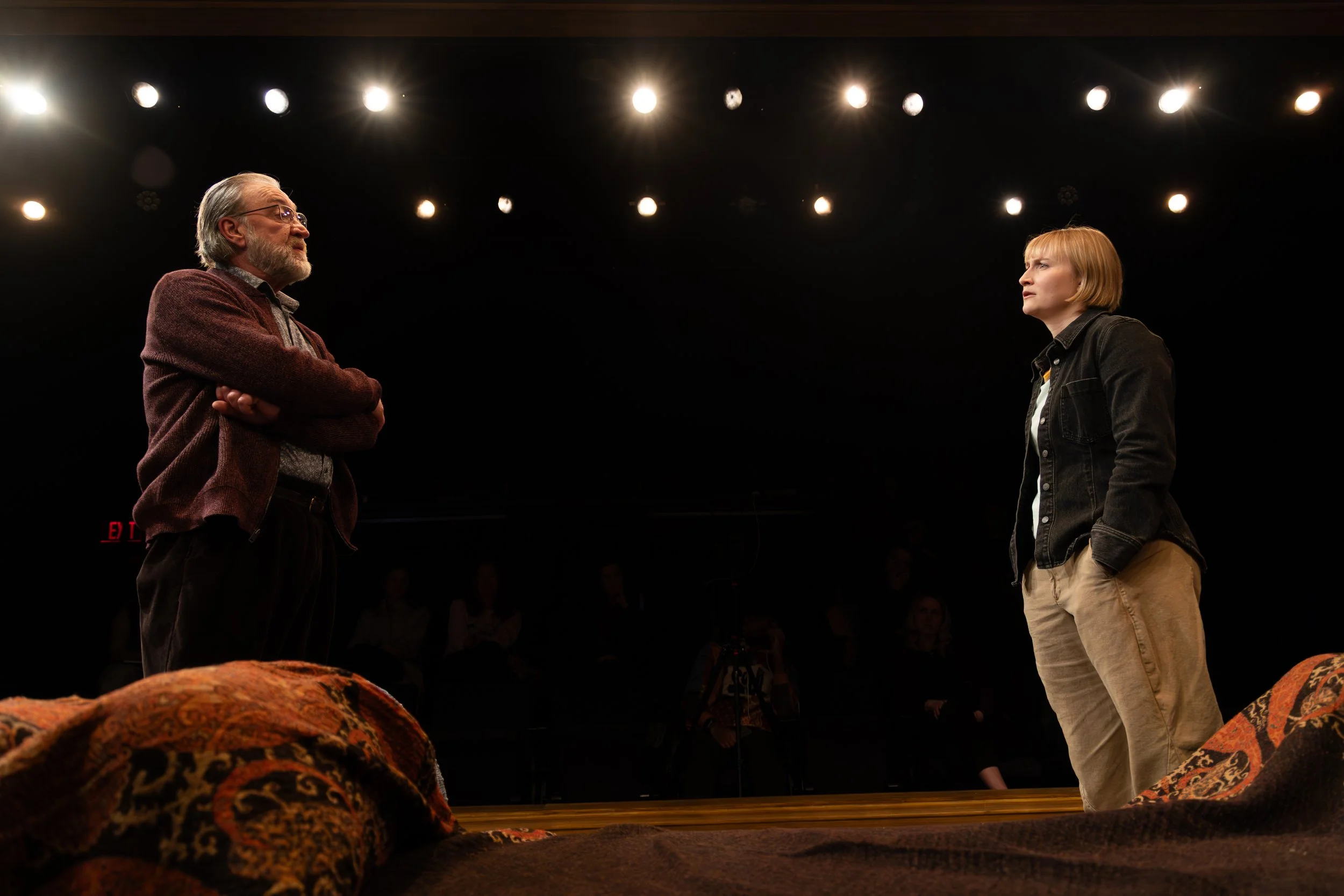
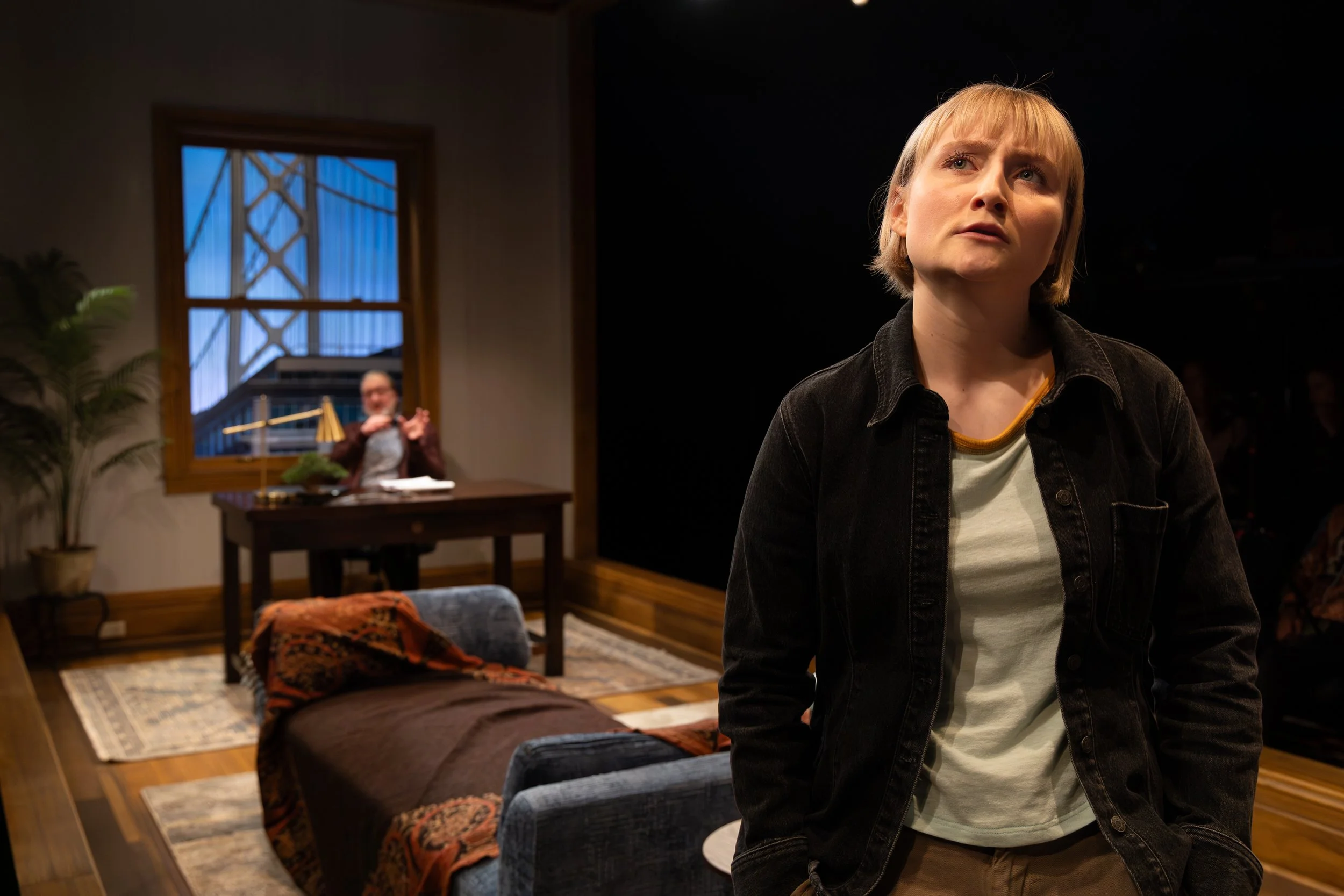
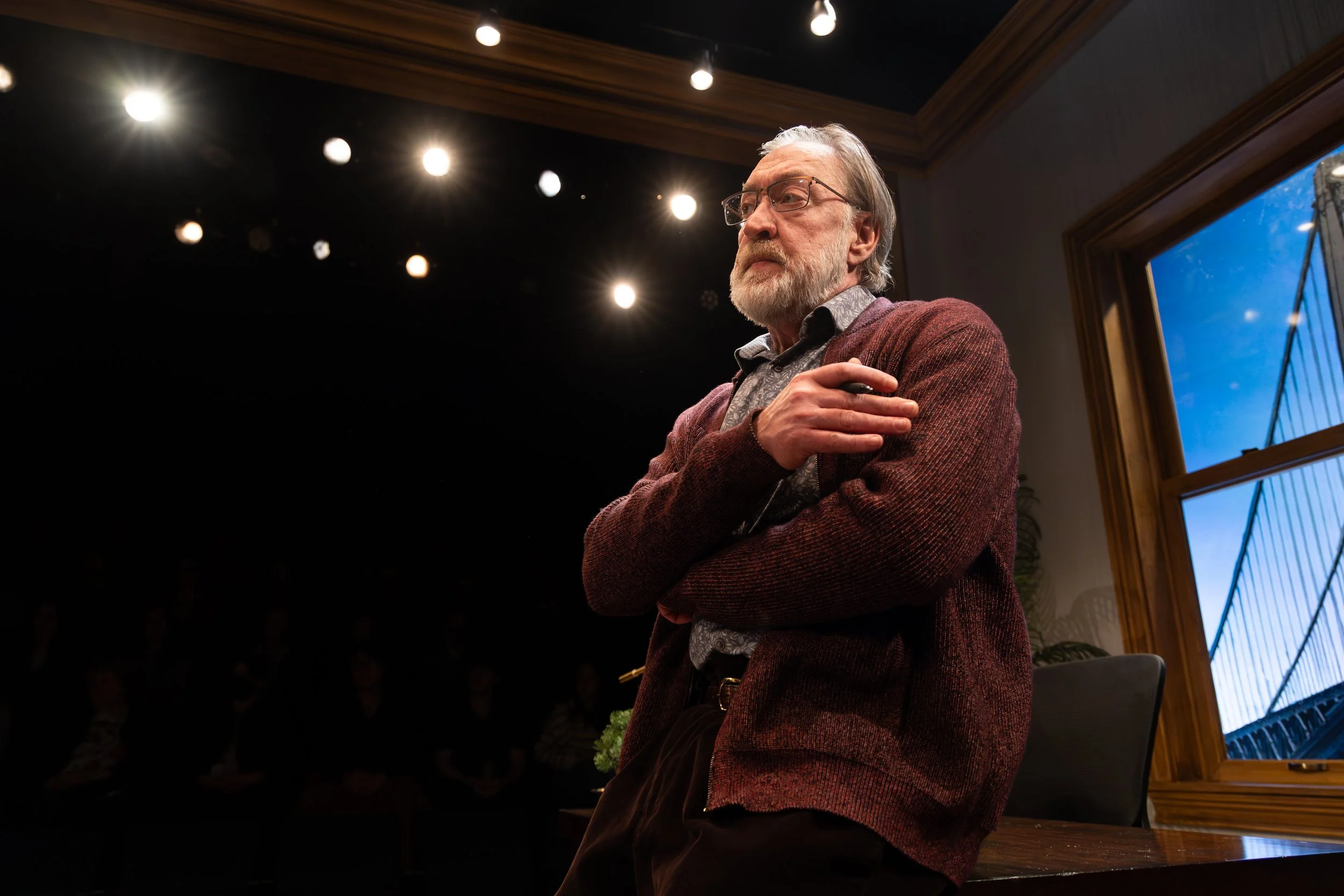
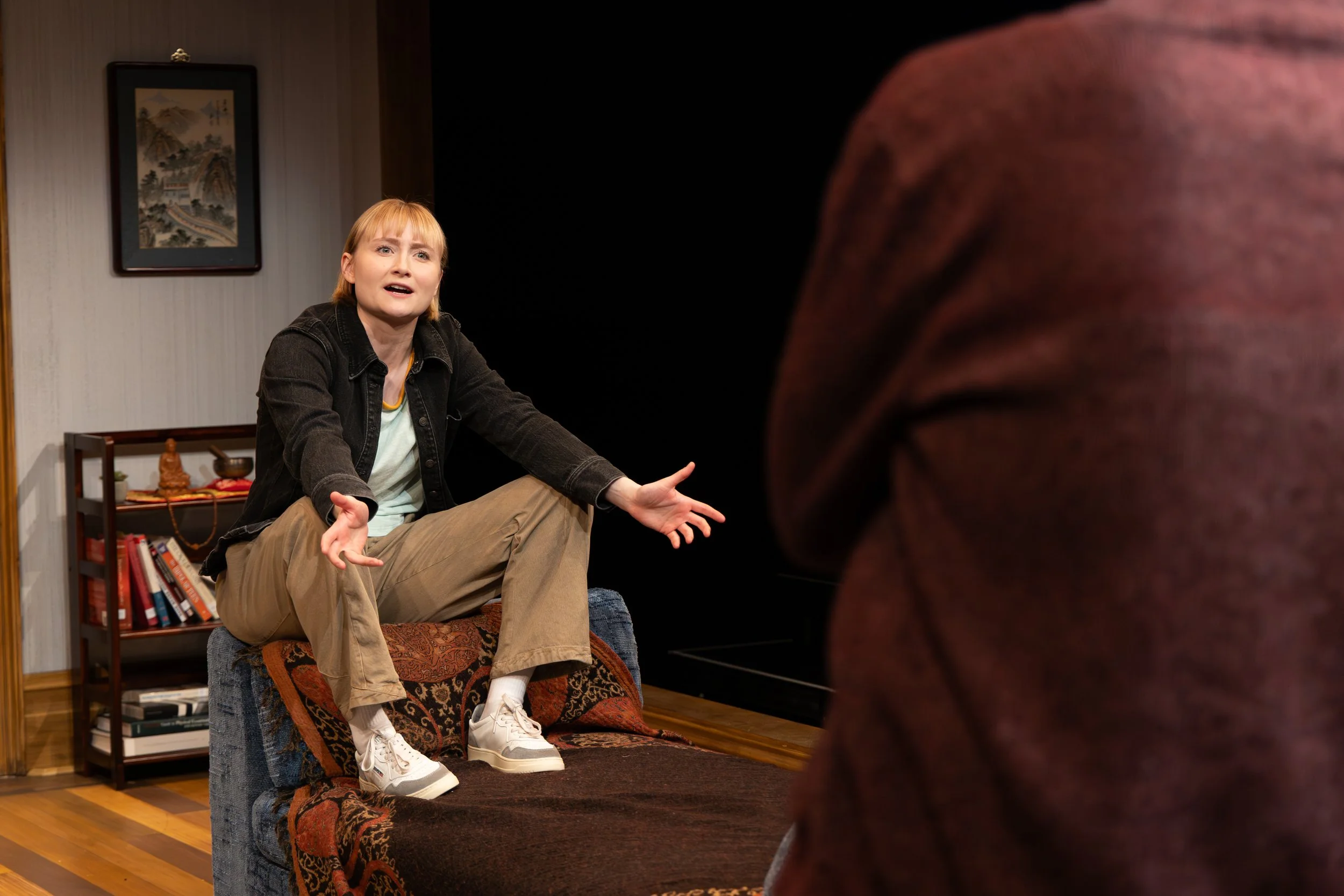
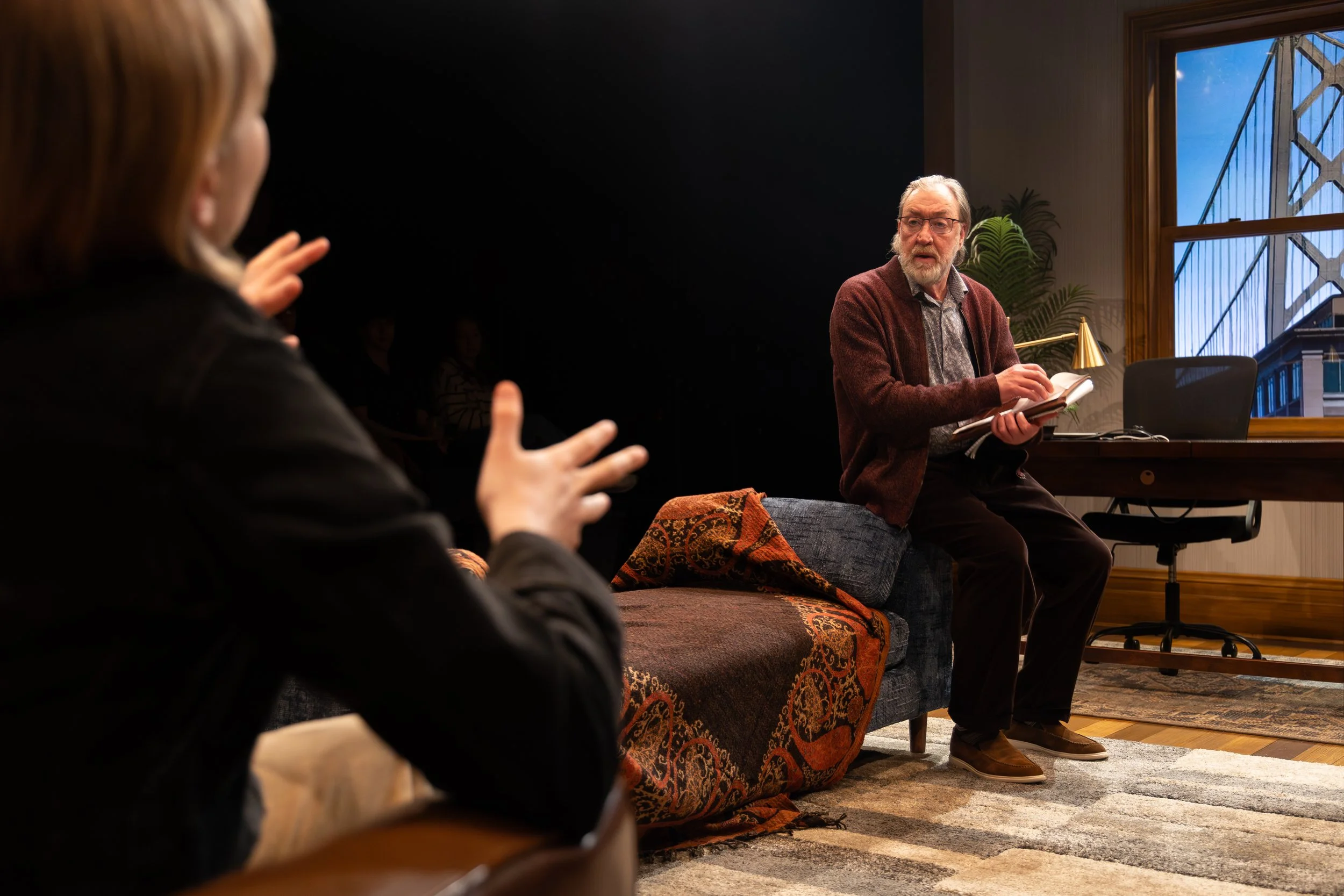
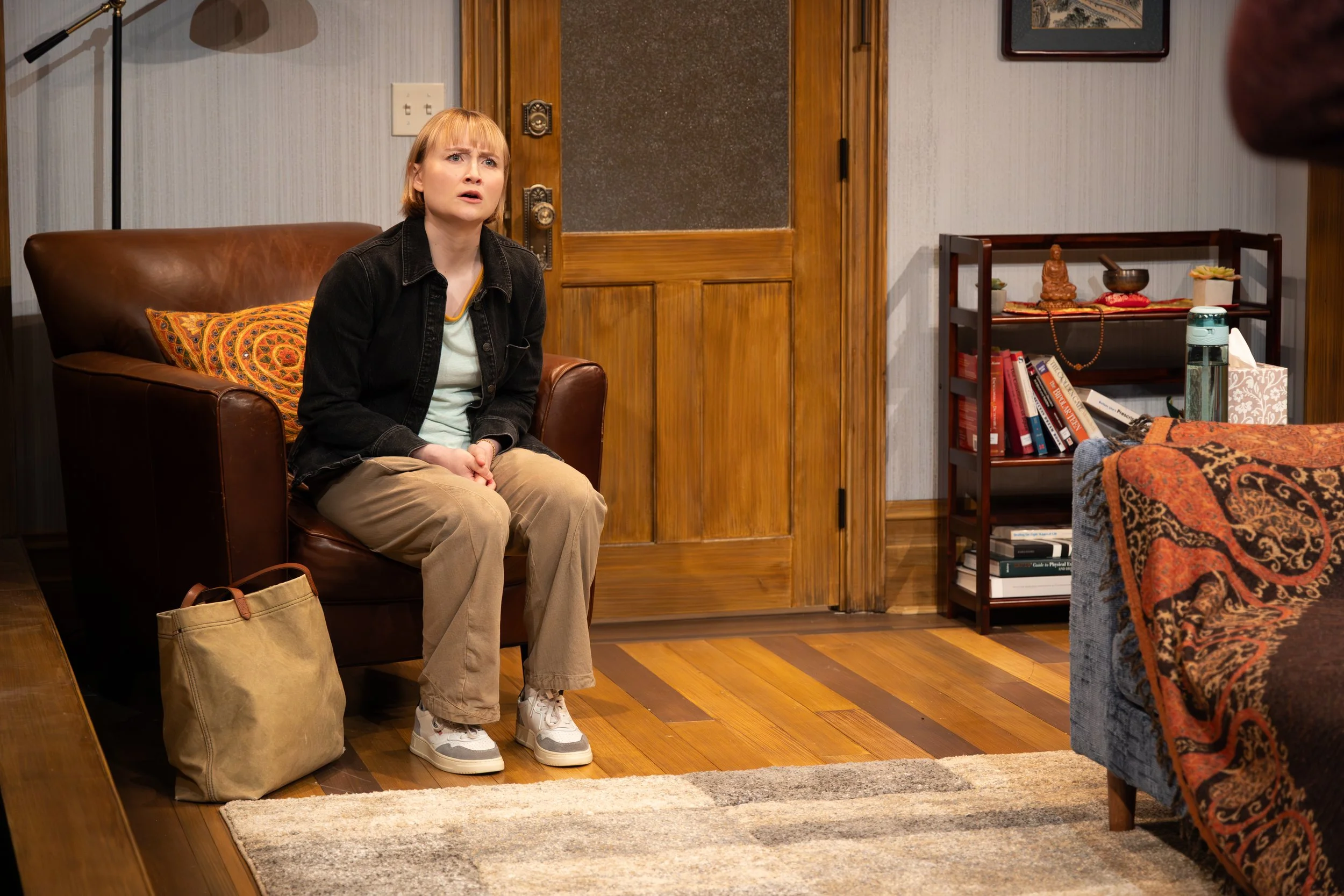
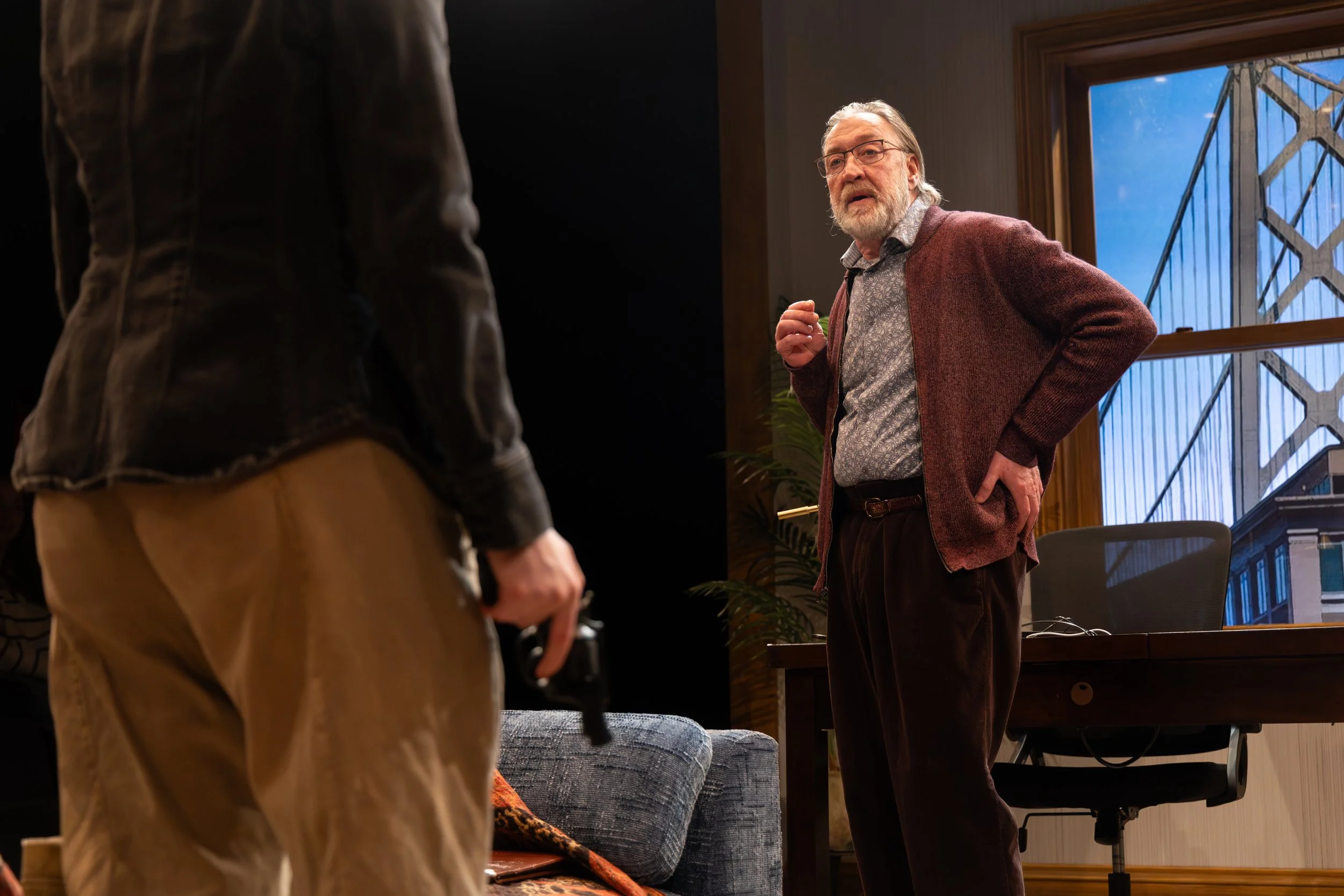
In their roles as Loyd and Jane, Christopher Donahue and Rae Gray were outstanding. Donahue masterfully portrays an aging therapist who is more interested in helping Jane understand the cause and effect of her emotional collapse than the company's assignment to evaluate whether she is mentally stable enough to return to her stressful and unsettling position. Gray's incredible portrayal of Jane, a content moderator at a tech company, whose job is to be the front line of defense, catching and removing horrific imagery from the internet that could cause psychological trauma, convinces the audience that the emotional and stress-related toll of such a volatile, depressing job can take a heavy toll on a person. She brought the playwright's words to life by genuinely expressing the concerns and disturbing, horrendous content posted on the internet. I was truly engrossed with her performance. The awkward chemistry, intimate dialogue, the powerful struggles for truth, and combative intellect between the two characters is entralling and captivating throughout. The only thing I didn't like was when it ended, because I wanted to see more.
Although I typically frown on off-stage interference, the timing of the tornado warning in the Glencoe area was surreal. The rumbling thunder perfectly complemented the intense moments, rolling in sync with the unfolding scenes, amplifying the tension while enhancing the atmosphere in a captivating way. These impromptu interruptions magically amplify Friedlich's flashbacks in certain scenes, where he uses them as glitches, intrusions, and hallucinations that break into the therapy sessions. The climax of the play involves a shocking, disturbing twist, where the playwright provides a cliffhanger involving Jane's suspicions of Loyd or whether it's simply paranoid, so stay alert and fully engaged. Job is a head-game thriller that delivers an intense experience, deliberately crafted to evoke a deep sense of discomfort about the advancement of technology and the precarious,disturbing, and alarming truth that lurks in the background.
⭐⭐⭐⭐
Writers Theatre
JOB
Written by Max Wolf Friedlich
Directed by David Esbjornson
April 9 - June 14, 2026

Thanks for visiting our website. For tickets, click the above logo and for additional reviews, click below.