Black Girl From A White Suburb
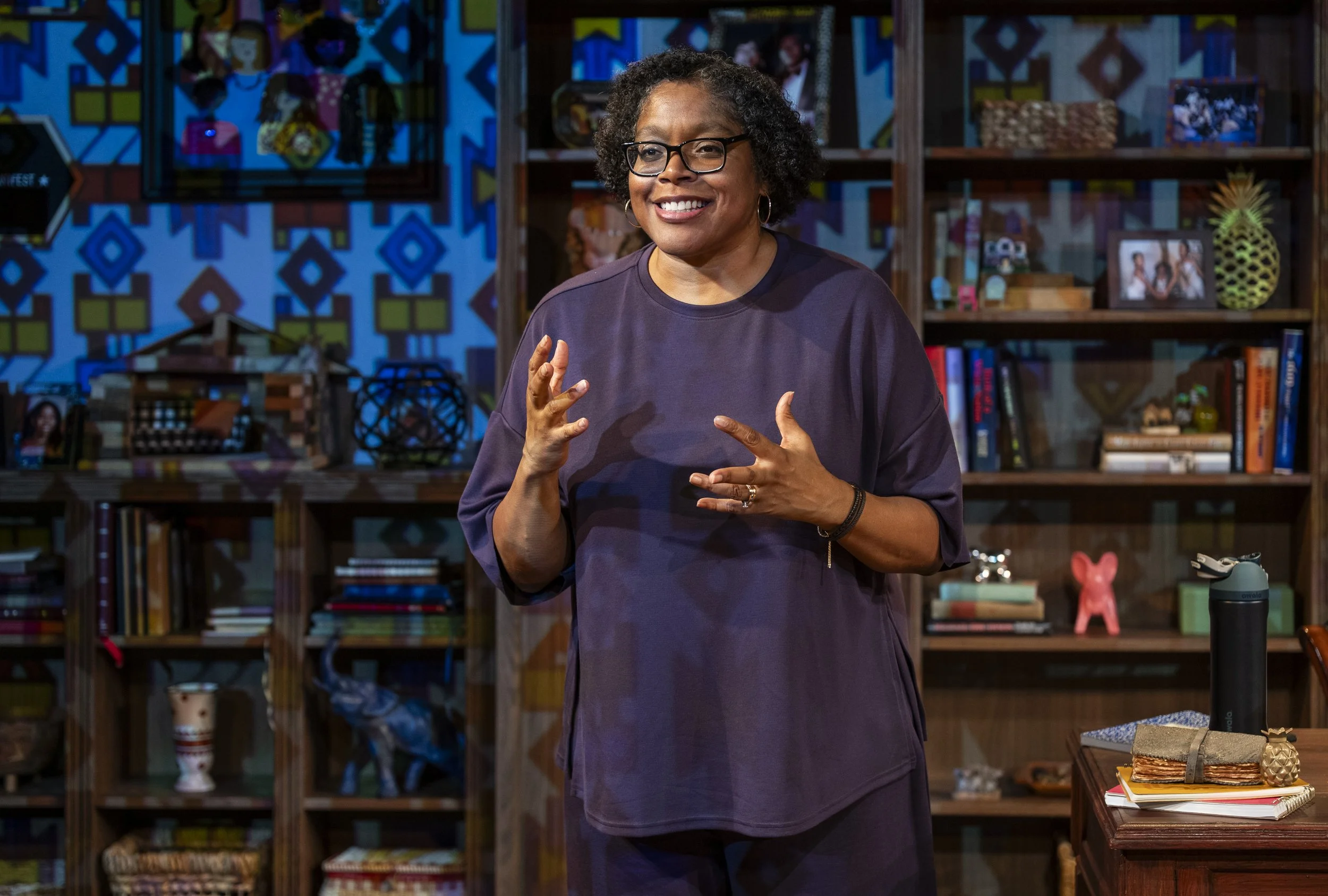
One-person, solo theatrical plays are among the most challenging performances an actor can undertake. These performances demand not only exceptional skill and versatility but also the ability to engage and captivate an audience alone. The actor must bring multiple characters to life, navigate emotional depths, and craft a compelling narrative without the support of fellow actors, making each moment all the more intense and impactful. Still, if successful, it can also be one of the greatest achievements an actor can accomplish. Tania Richard's solo play, Black Girl from a White Suburb, is an autobiographical coming-of-age story that explores identity, race, and self-discovery; it is one of those successful one-person plays so engaging and enthralling you wish you could see more. Set against the backdrop of the 1980s, the play traces her Haitian immigrant parents' decision to move to a predominantly white Chicago suburb. This choice forces Tania to deal with situations where she often feels out of place. Spanning about an hour, the production captures her evolution from adolescence to young adulthood as she undertakes a quest to find her voice while wrestling with the challenges of being a different hue in a world that often overlooks her individuality and how it refined and redefined her life, helping her find her voice in a world that wanted to keep her silent.
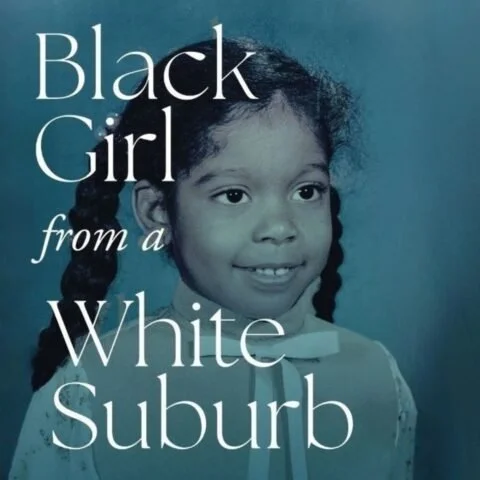
She opens up about her life experiences, where biases and pain often suppress the mentality of a young black child, especially in the presence of teachers who glanced her way but rarely took the time to truly acknowledge her existence. However, a transformative shift occurred when she was cast as the Caterpillar in a local production of Alice in Wonderland. On stage, she discovers a newfound sense of autonomy that lets her escape the suffocating confines of others' narrow expectations. Richard draws the audience into her performance, inviting them to immerse themselves in her life experiences. Through a blend of storytelling and raw emotion, she allows them to navigate the uncomfortable terrain of challenging events and sensitive subjects alongside her, fostering a deep, intimate connection. As she shares her journey, the audience not only witnesses her struggles but also feels the weight of those moments, creating a powerful bond between her and the audience. The play engagingly traces her path to embracing her Blackness, while discovering what it meant to be black and the isolating pain and unforgettable scars of a life lived as a black person in a predominantly white culture. It poignantly shares how negative stereotypes surrounding Black individuals have perpetuated a cycle of hatred, violence, and prejudice, facilitating an environment where hostility becomes justifiable. These harmful perceptions not only fuel discrimination but also deny the humanity and dignity of those who are Black, pushing them into situations where they face unjustified animosity. Using humor, pop culture references, social commentary, and personal reflection to tackle anti-racism and self-acceptance, Richard shares that in times when love and understanding are essential for healing and connection, these stereotypes instead create barriers that deepen divisions and perpetuate cycles of hate.
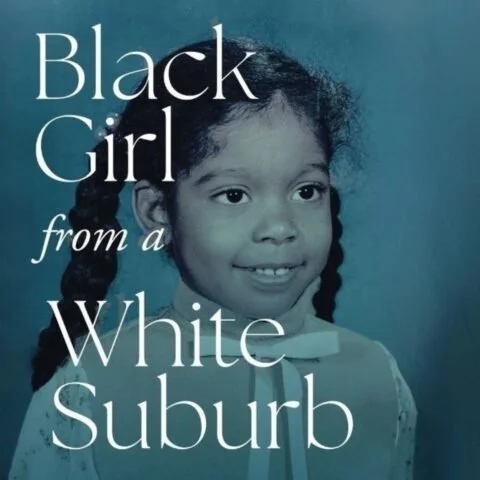
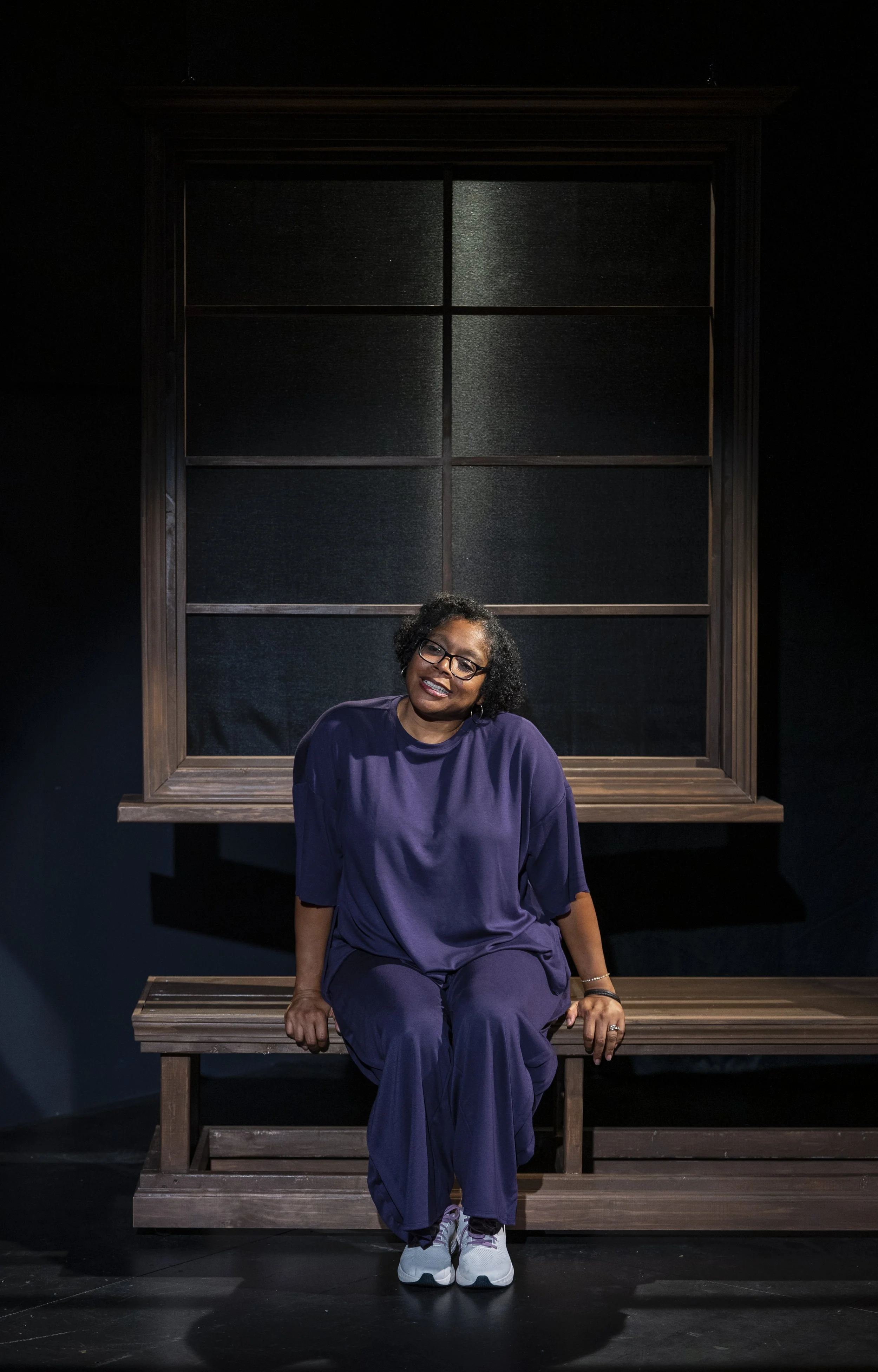
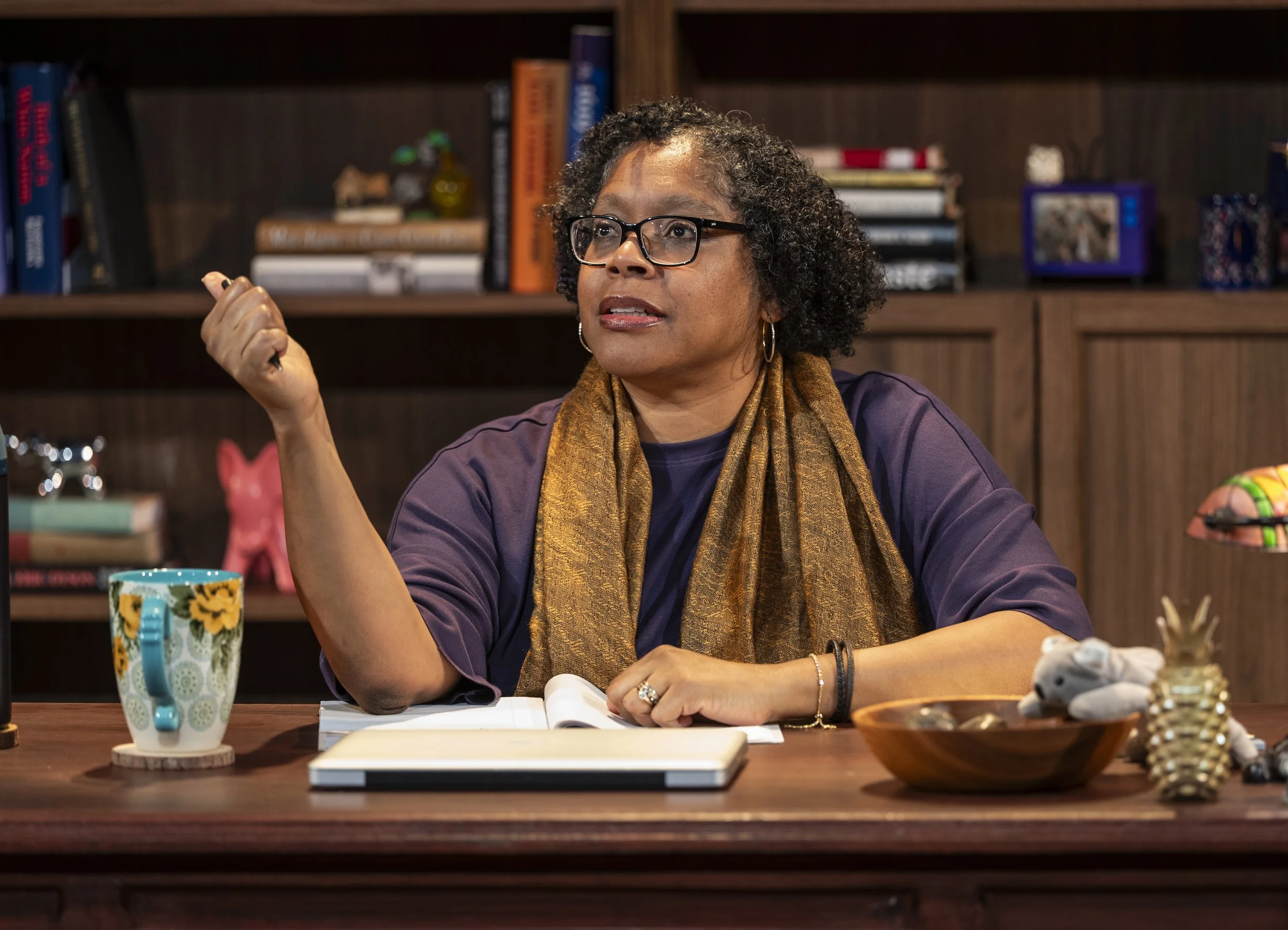
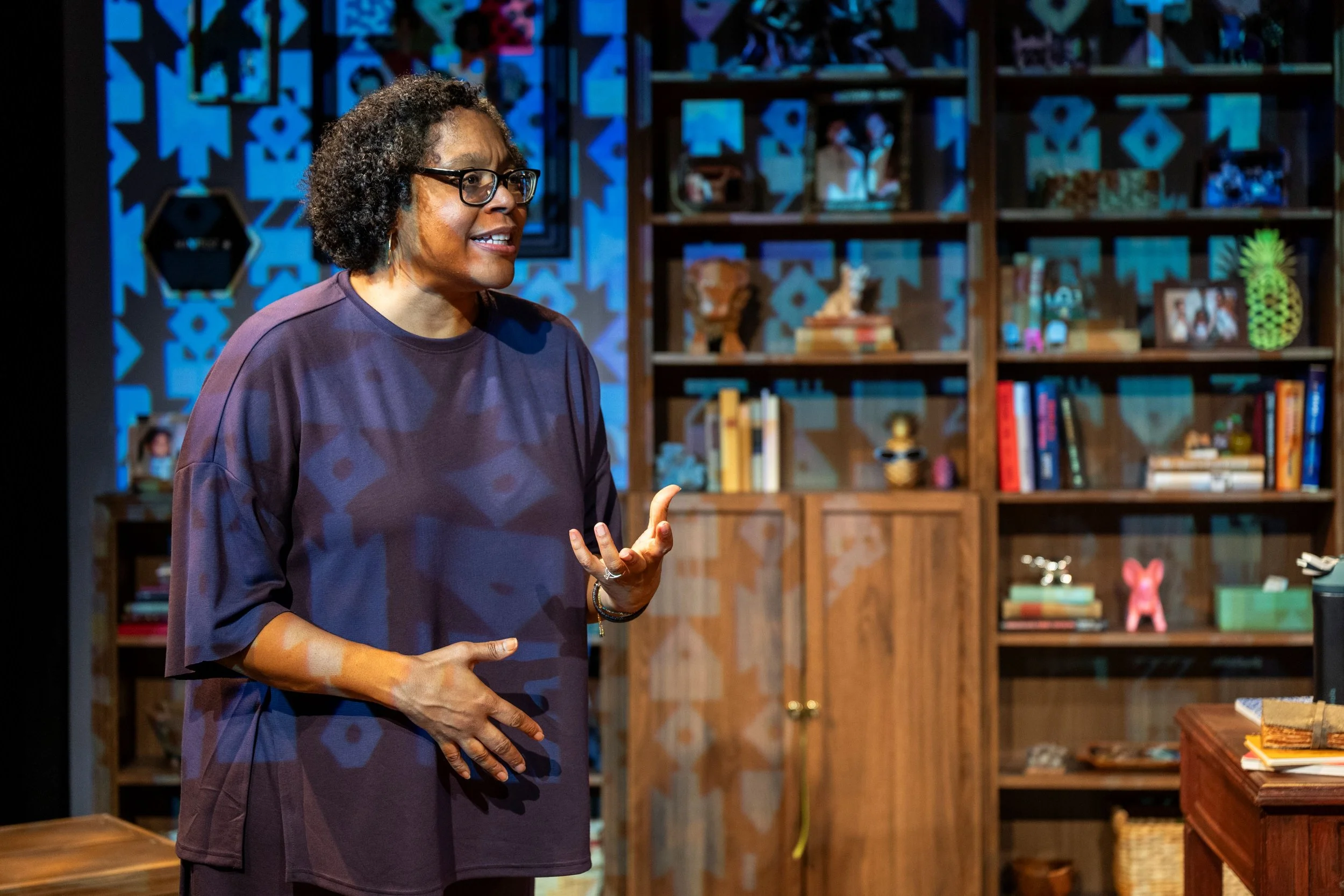
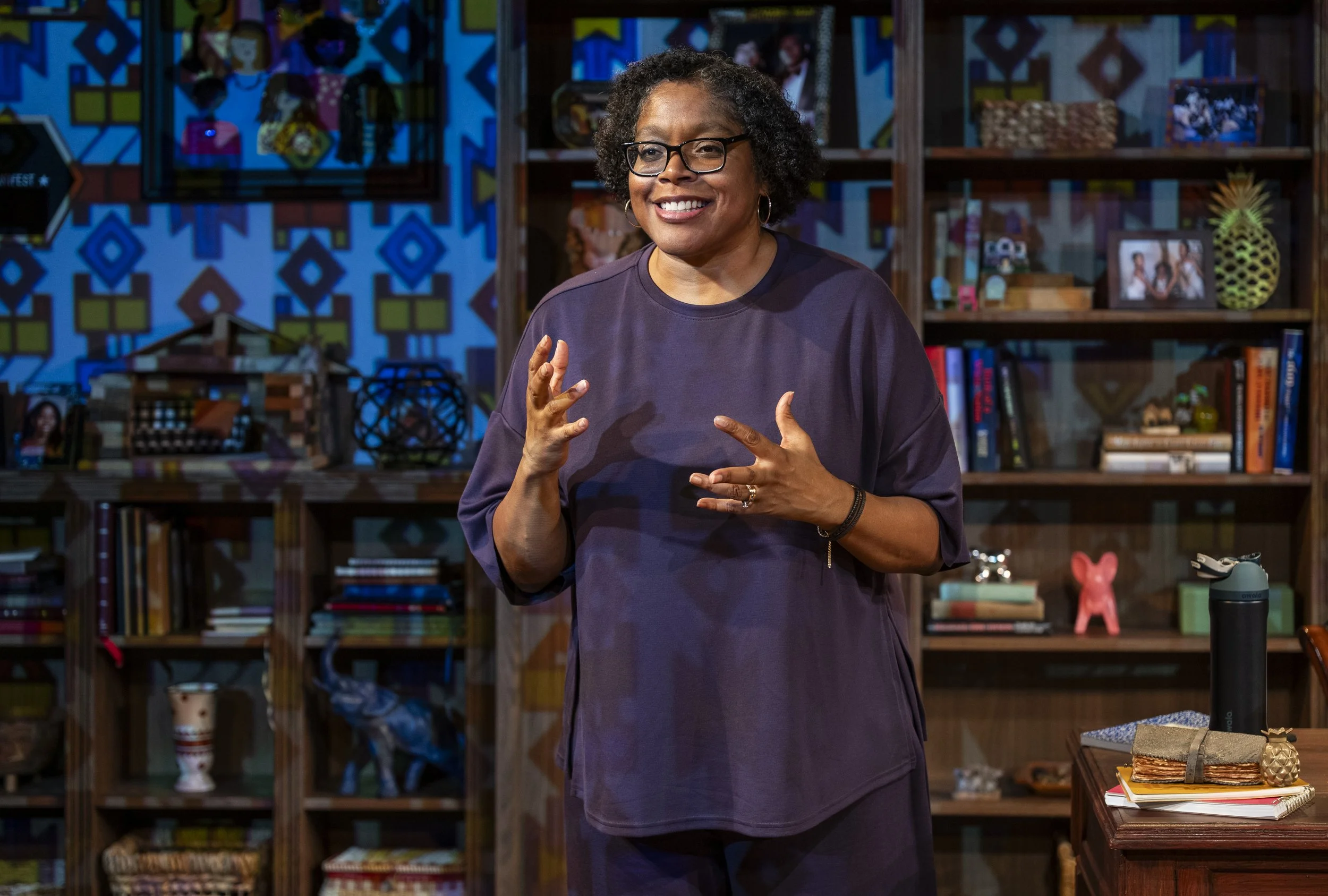
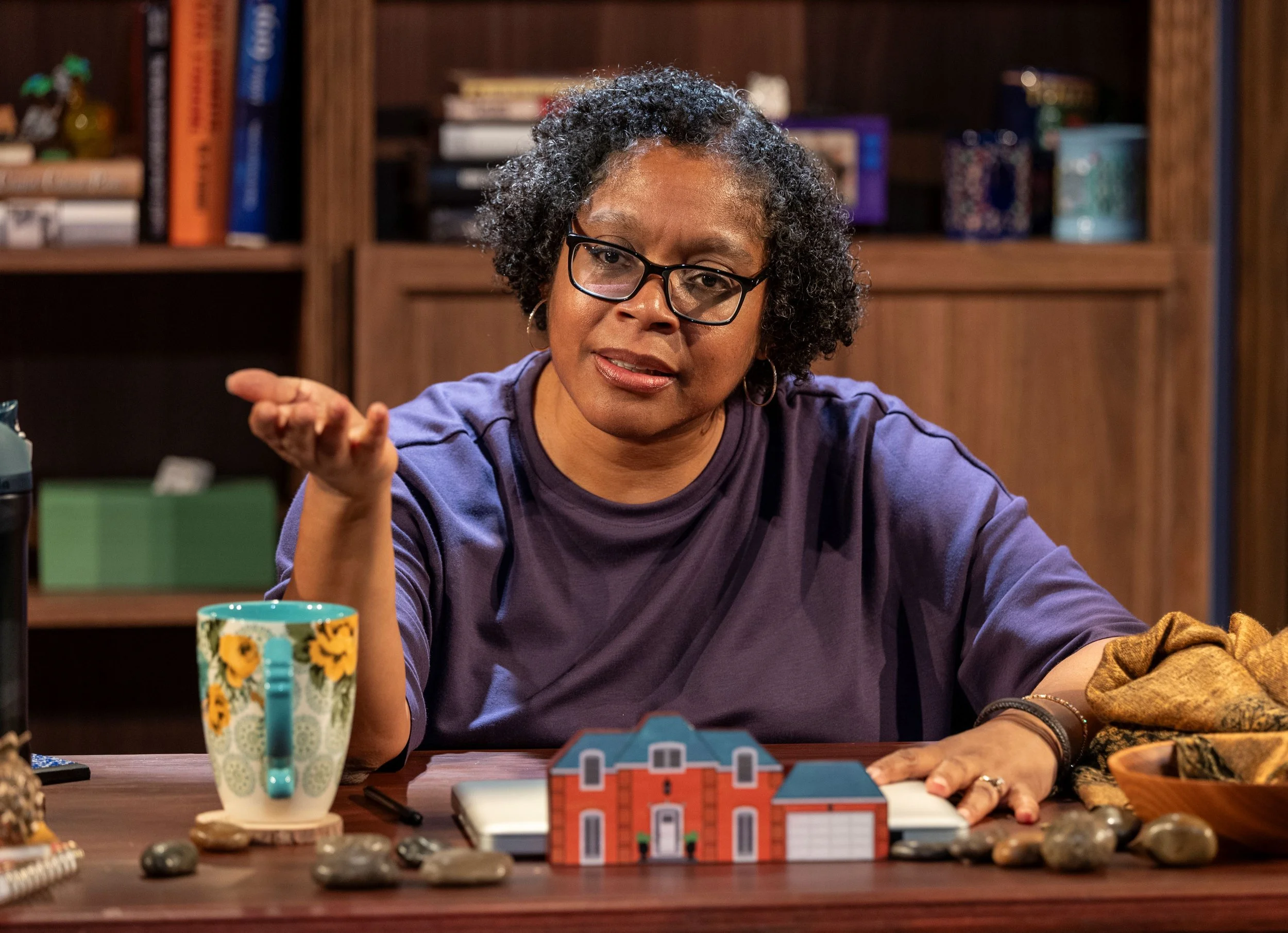
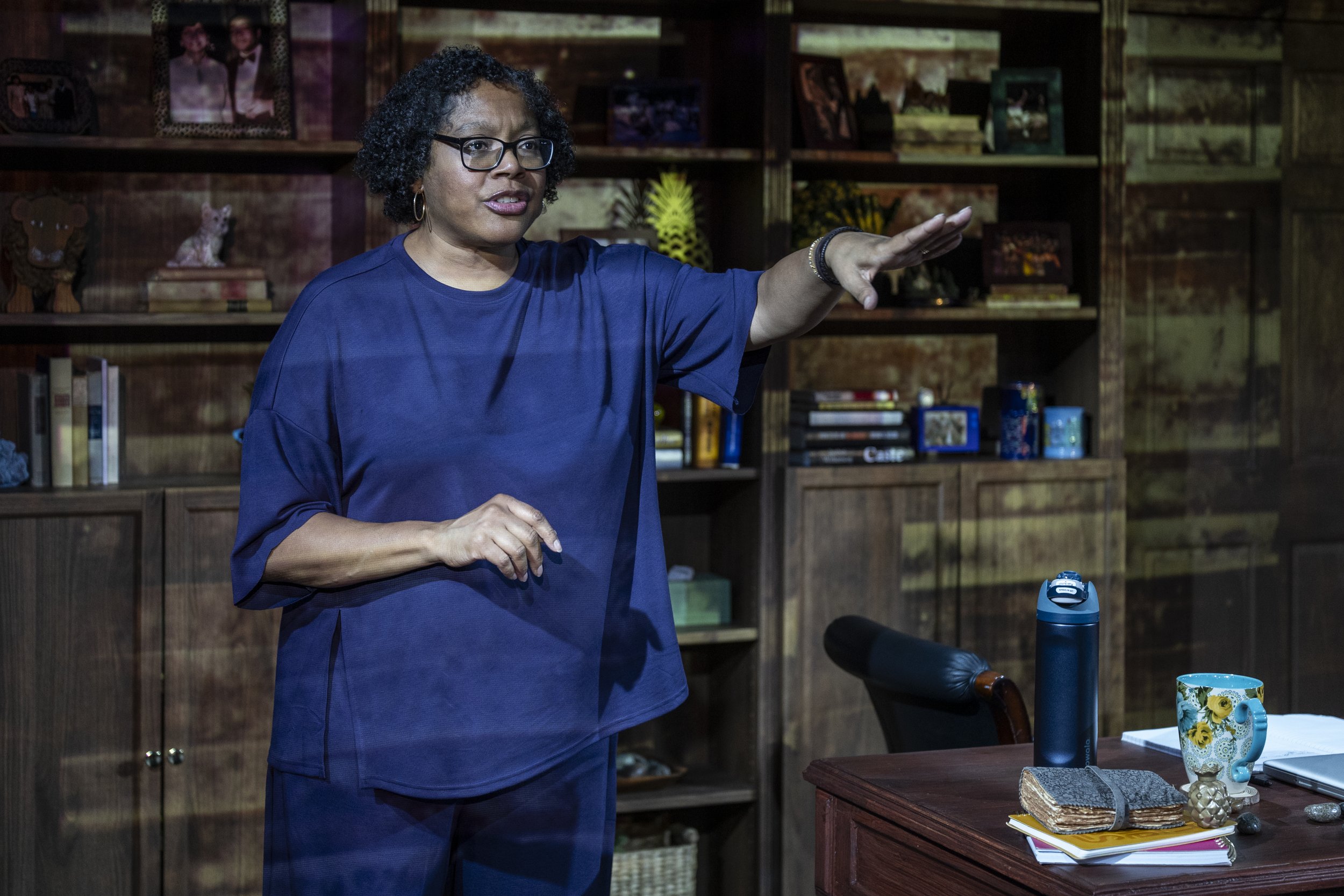
Doing a play about the animosities within society's different ethnicities is always a challenge, as many seem to tune out when faced with having to look into the mirror of their biases. Still, plays like Taina Richardson are needed to remind us that we are the same and that we, as humanity, can heal our brokenness by learning to listen to others' pain and share our experiences as we heal together. I selfishly wanted to see more of the struggles Richard experienced on her face—a deep dive into the raw emotions she encountered as a child growing into adulthood. More tears, more anguish, more of the dissolution of a child lost in an unfamiliar world, sharing that silence of a voice that was silenced by others— realizing that her story was also my story and Richard was speaking to me, helping me with my feelings of microaggressions. Her performance removed the coloration of skin and masterfully brought me into her world of being Black—allowing me to envision her pain as though I wasn't Black, as if I was white, invisible to the colors of pain.
The beauty of Richard's play is that although it's entitled Black Girl from a White Suburb, it's not about being black. Nor is it an edict demanding that others take responsibility for their microaggressions against people of other races. It's a therapeutic lesson in acceptance, showing how a Black Girl from a white suburb grows through microaggressions and learns to find her way. It's a note, a love letter, a diary, if you will, to herself and to the world that, regardless of our hue, we are all human, and a hope that someone will hear the cries of others and respond with love.
We need these types of theatrical stories, and Black Girl from a White Suburb is a must-see, in my book.
⭐⭐⭐ ½ STARS
American Blues Theater
Black Girl from a White Suburb
By Artistic Affiliate Tania Richard
Directed by J. Nicole Brooks
September 4 - October 4, 2026

Thanks for visiting our website. For tickets, click on the above logo and for additional reviews, click below.