
With a core of 14 passionate actors, Artistic Director Edward Hall triumphantly completes his bold vision of A Midsummer Night's Dream, following the groundbreaking first theater staging of a double-feature production of The Winter's Tale. Kicking off their 40th-anniversary season, the tightly knit ensemble was exceptional in performing these two Shakespearean repertory pair productions, infusing the right amount of energy, tragedy, and buffoonery into Shakespeare's tragicomedies and problem plays. The venue offers exciting double-feature days, allowing audiences to enjoy two remarkable productions back-to-back in one stimulating day. If you get the chance to see them together, the cast delivers an exceptional performance. In The Winter's Tale and A Midsummer Night's Dream, the narrative shifts from deep-seated turmoil and the consequences of jealousy to playful whimsy and chaotic illusions of love with a touch of magic. In short, A Midsummer Night's Dream treats love's madness as a harmless, comical fever cured overnight by fairy magic, while The Winter's Tale asks what happens when that madness is real, deadly, and requires years of sorrow, time, and forgiveness to heal.
The play begins with the father of Hermia entreating the Duke of Athens to plead with his daughter, Hermia, to his chosen suitor, Demetrius. Hermia pleads with her father to allow her to wed Lysander, which he refuses and states his right to wed her as he chooses, even to her death if she rebukes his decision. Demetrius loves Hermia, but she loves Lysander, and fate twists when Helena, Hermia's sister, falls for Demetrius, who loathes her. In a moment of chaotic whimsy, Puck, portrayed exceptionally by Patty Roache, inadvertently casts a mischievous spell that ensnares both Lysander and Demetrius, now irresistibly drawn to Helena, leaving Hermia heartbroken and alone. The drama-to-happily-ever-after play ends with Puck telling us, if it has offended, remember, it's just a dream.
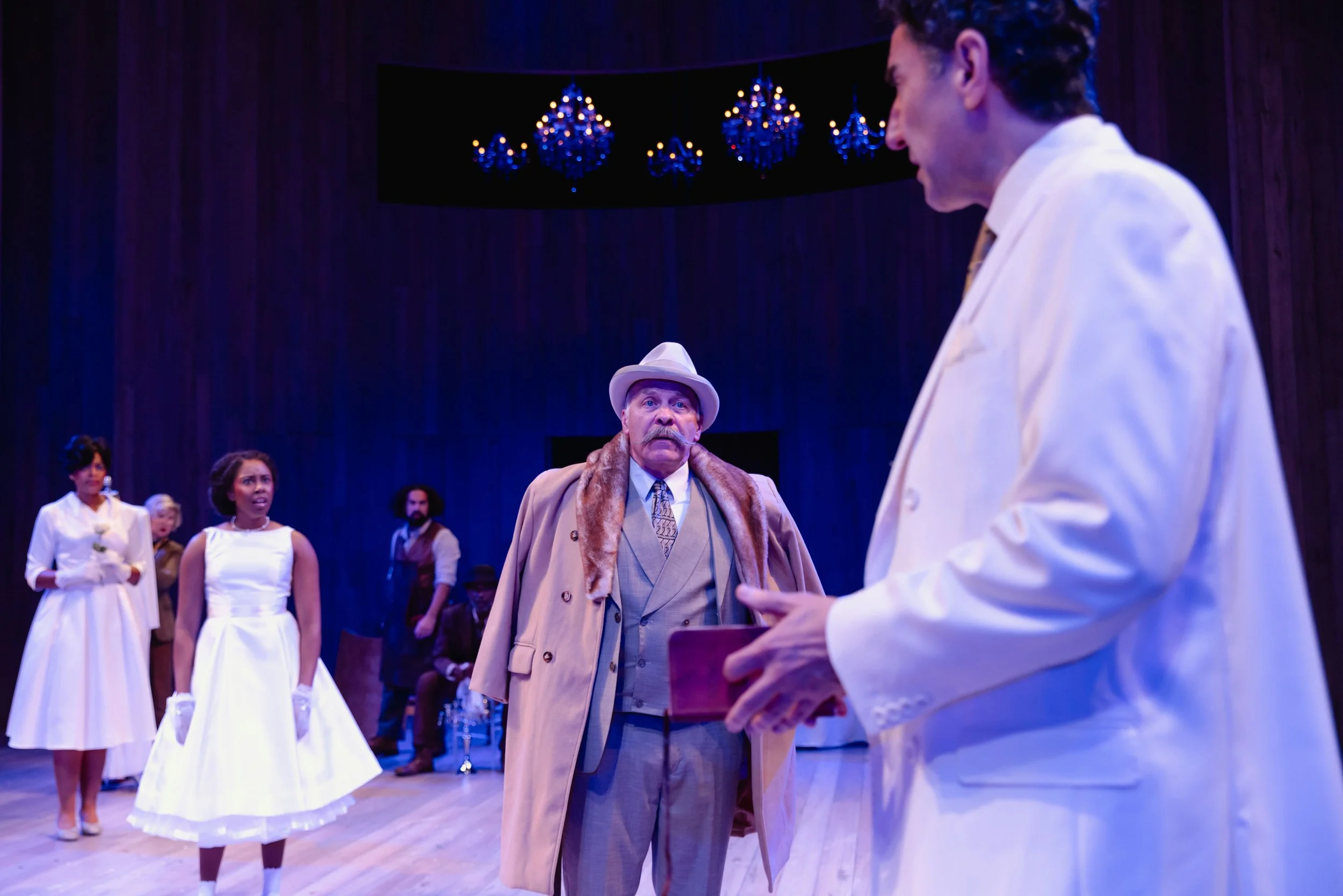
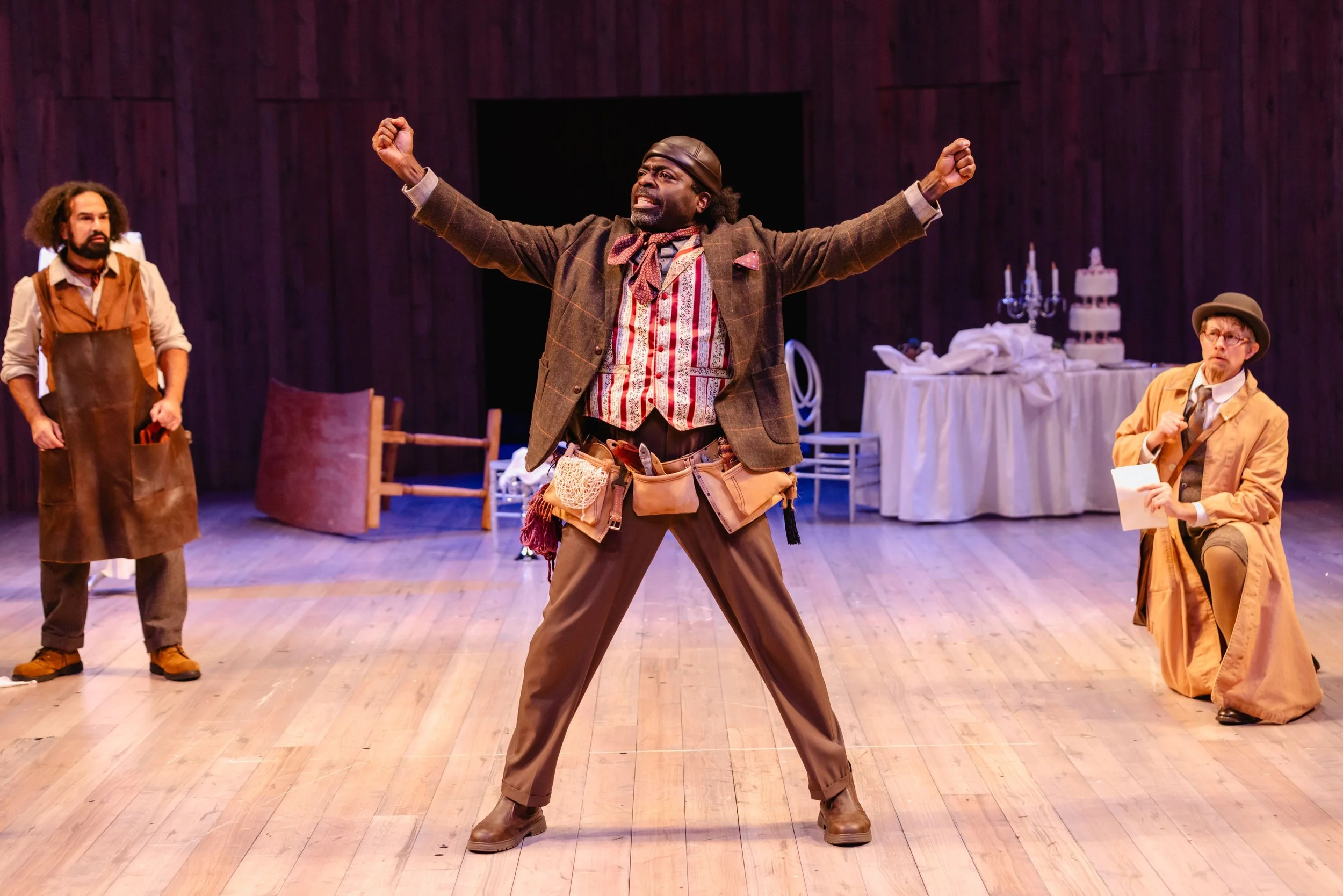

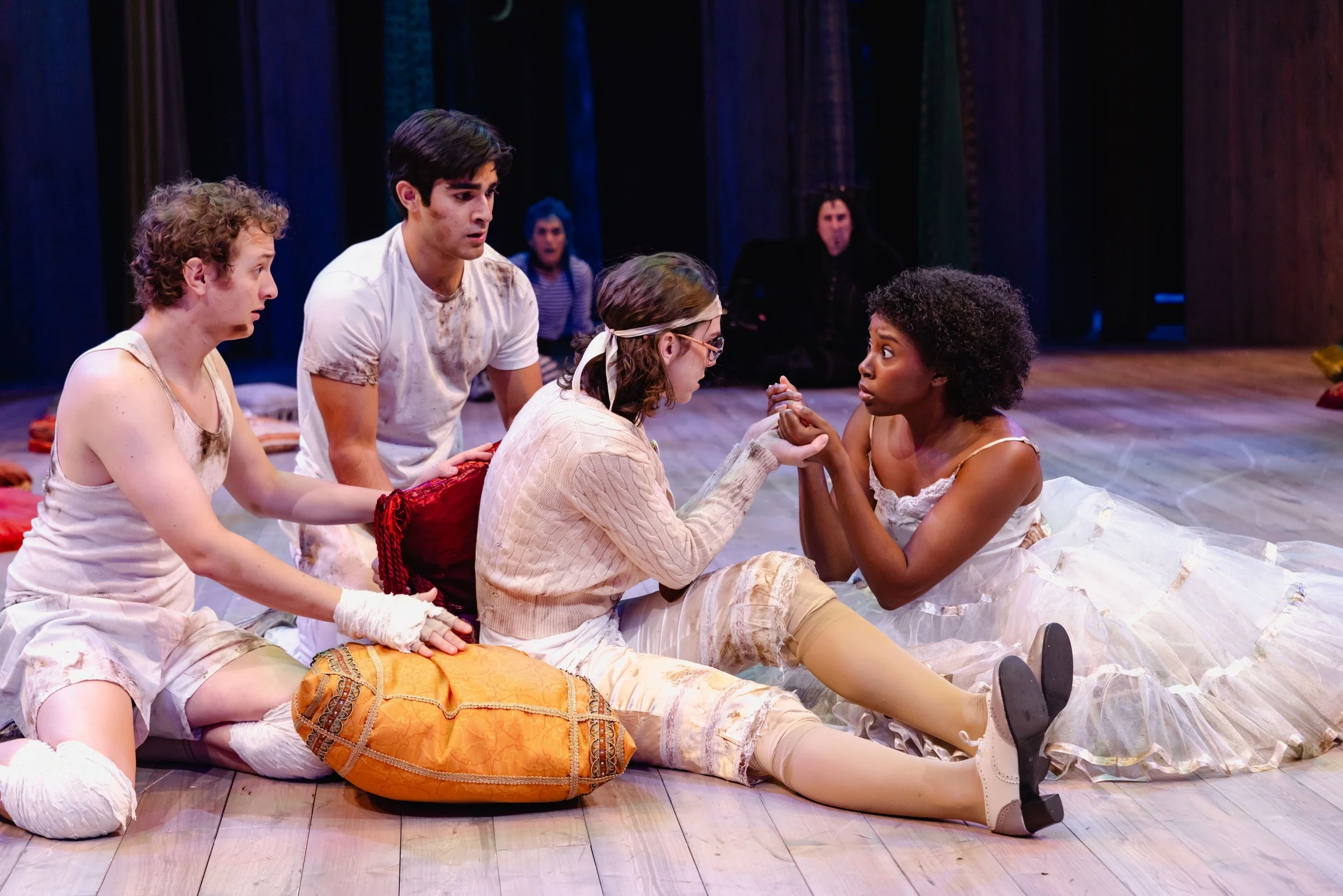
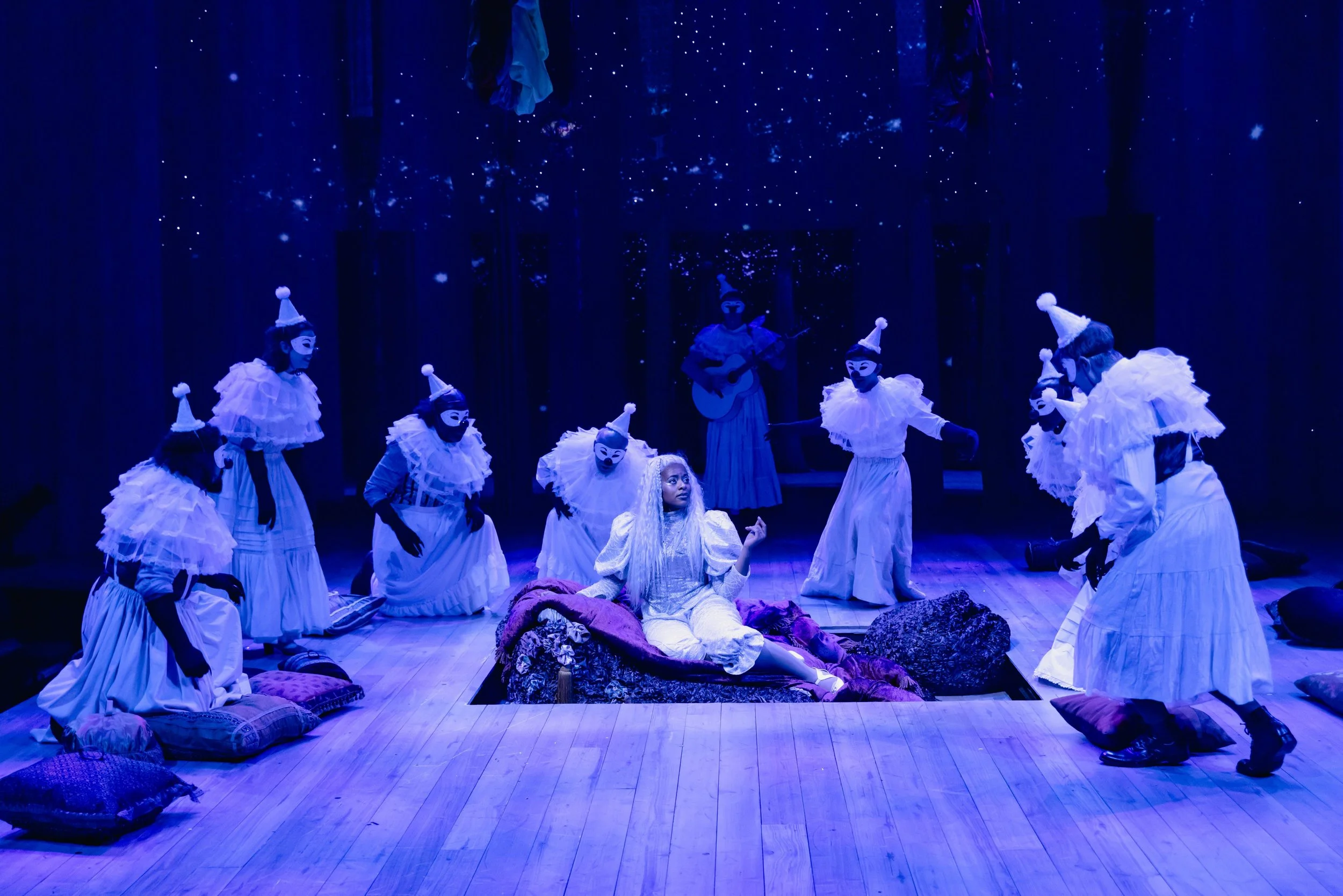

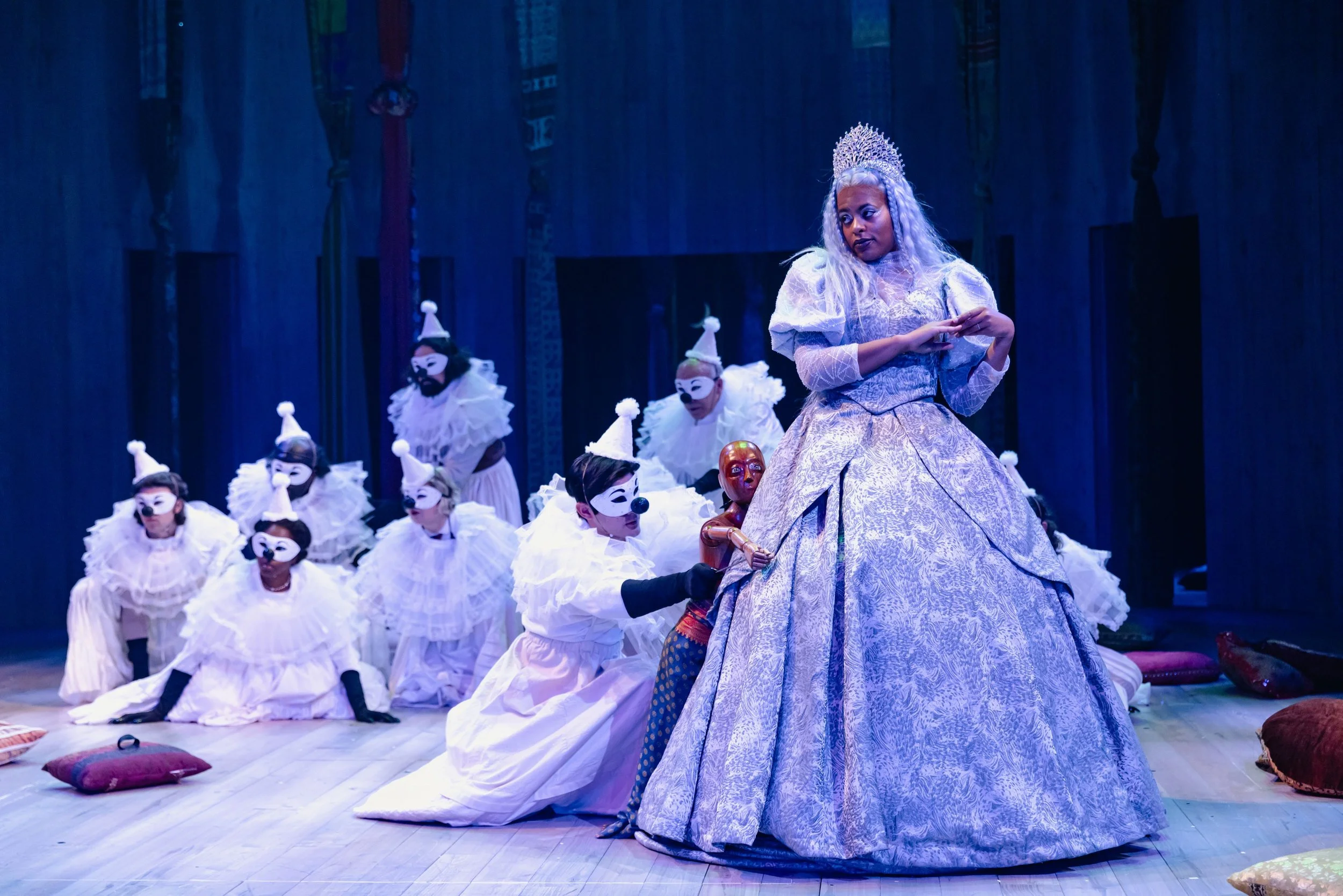
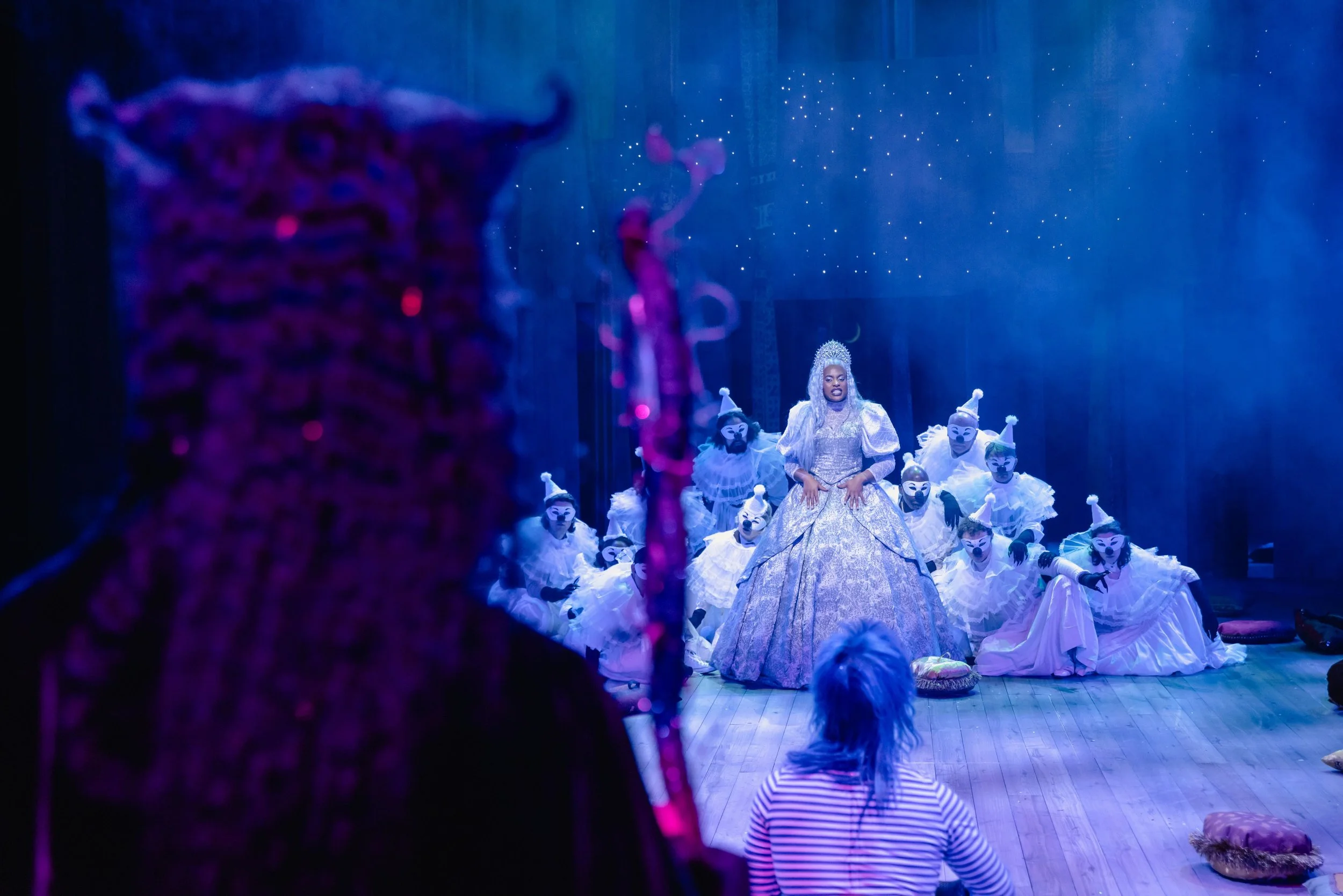
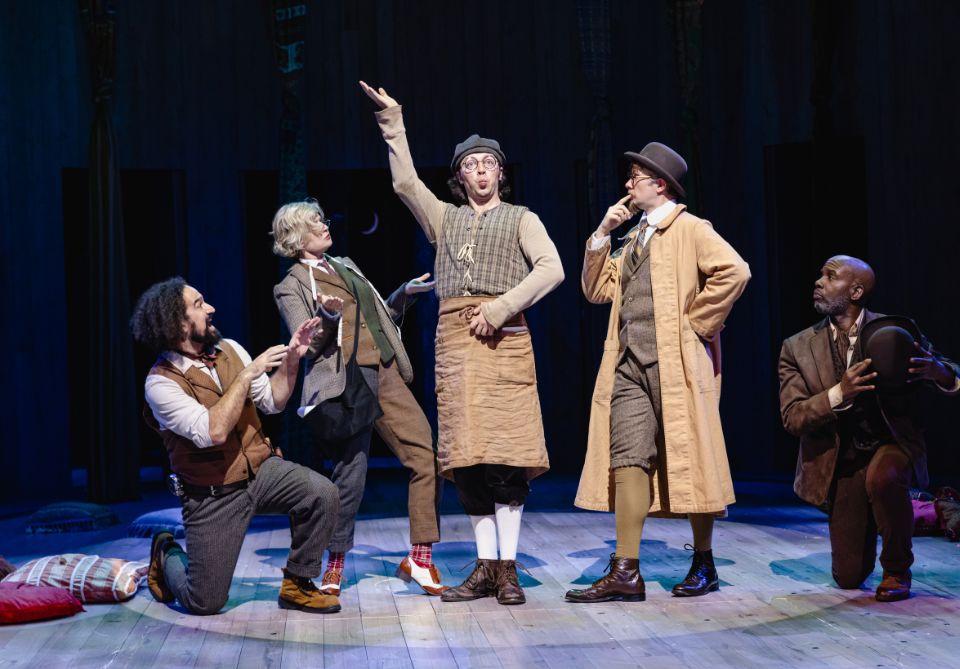
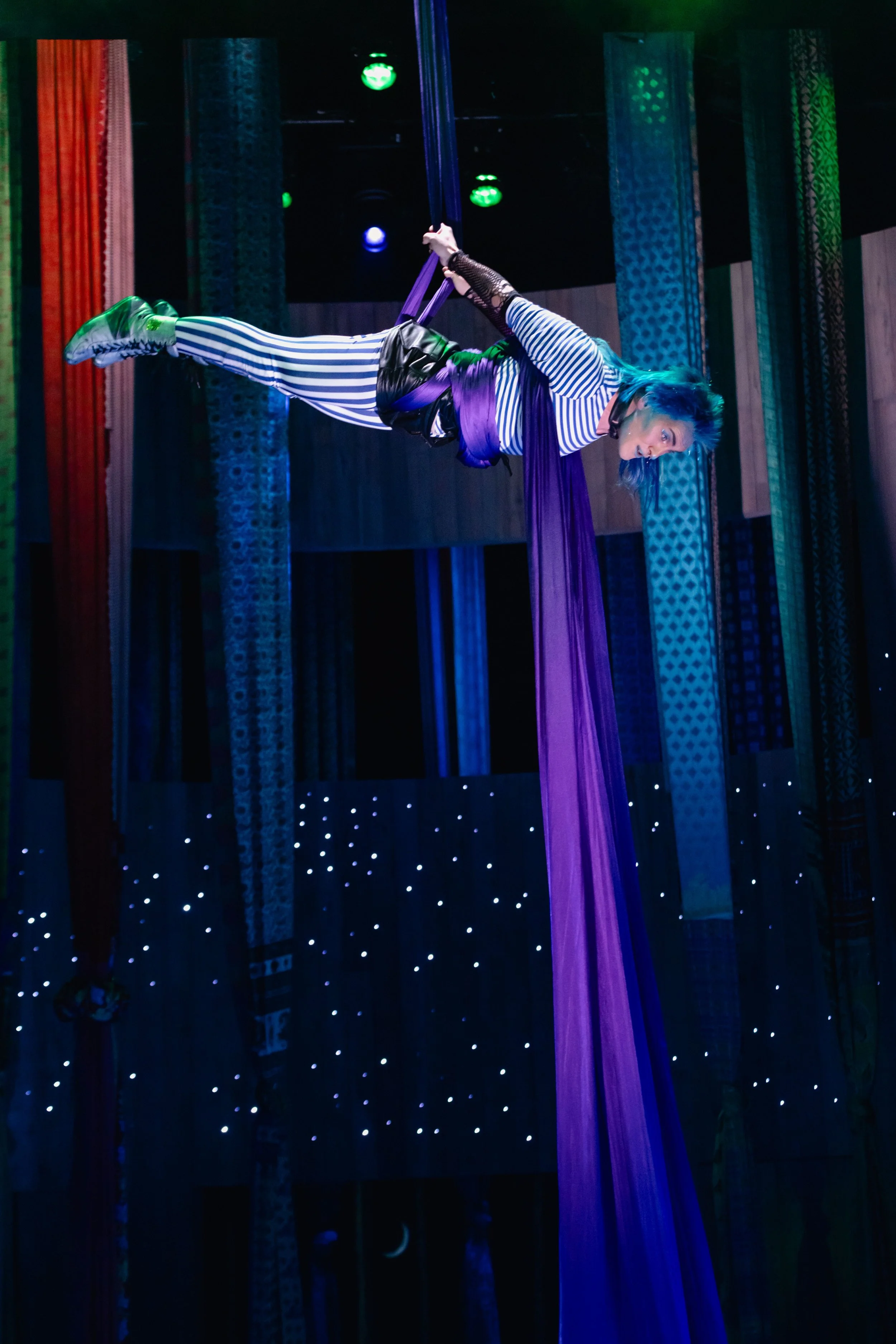
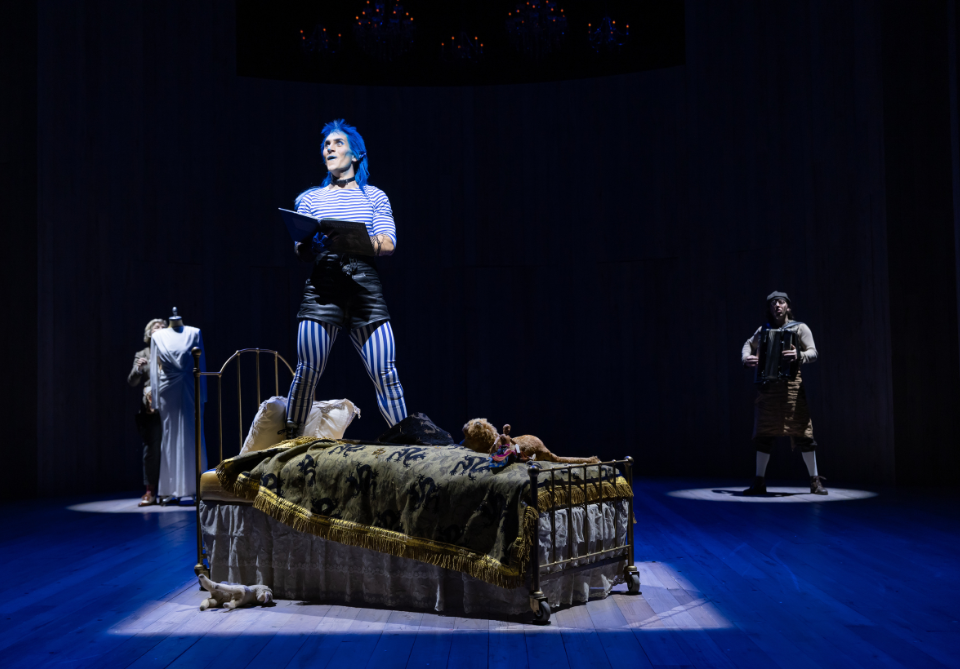
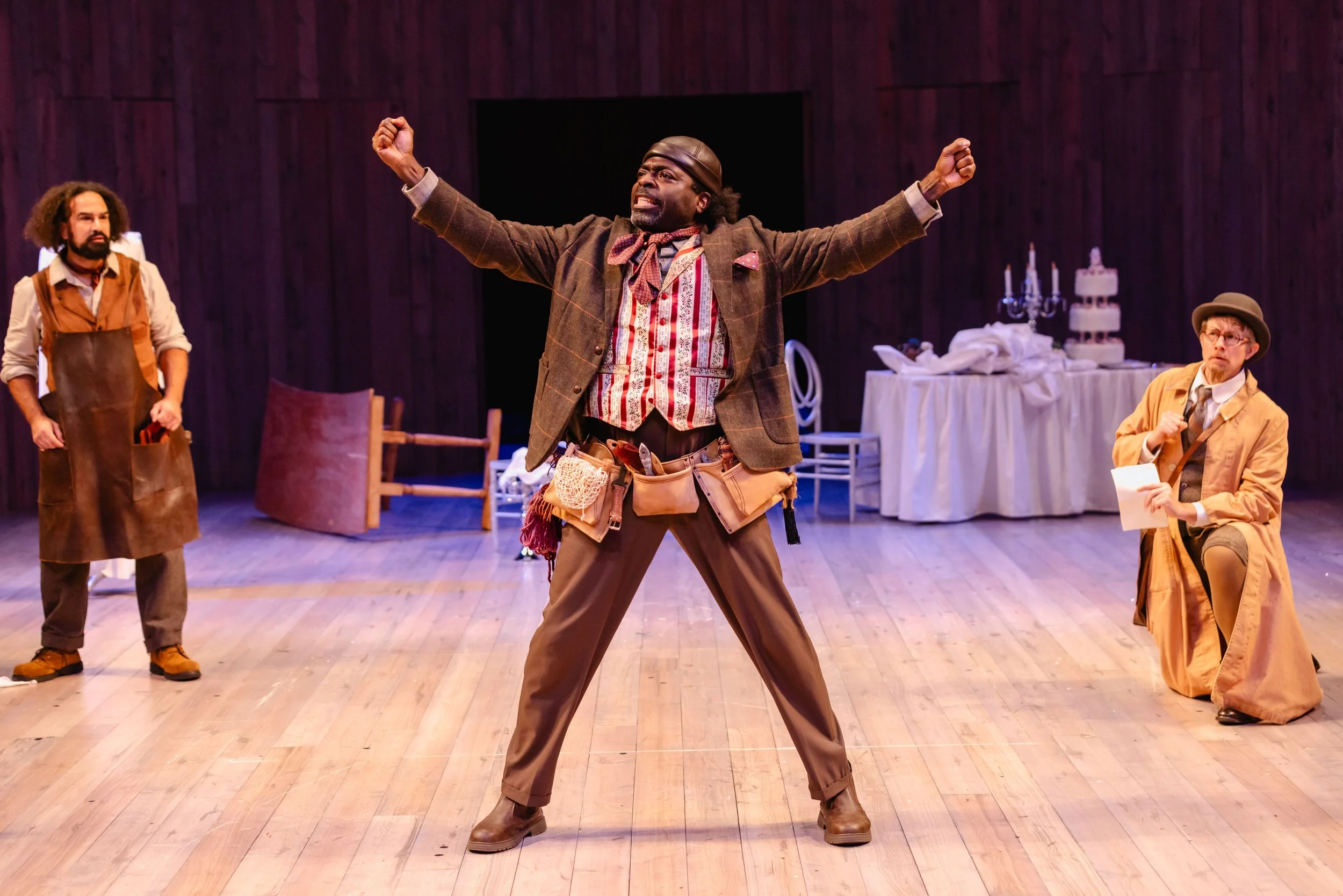
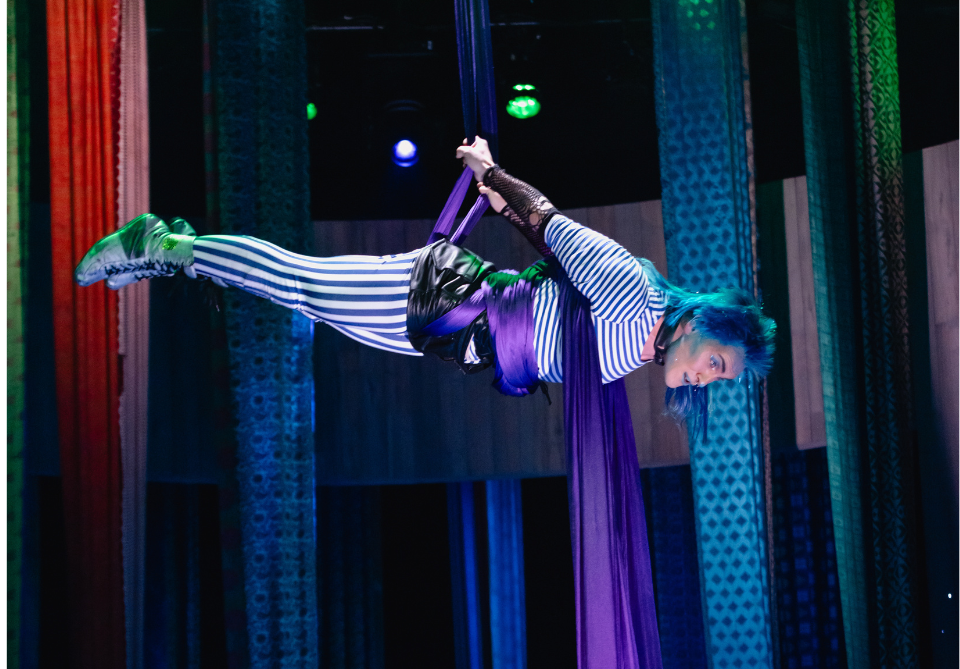



As much as I love Shakespeare's tragedies, I'm not a fan of his comedies, as the comedic narrative often seems to lose its luster and become nonsensical; and A Midsummer Night's Dream, as historical critics describe it, lacks serious moral instruction. While I love the emotions and human struggles of Shakespeare's tragedies, I find myself rather indifferent to his comedies. The comedic narratives often seem to lose their luster and become nonsensical. "A Midsummer Night's Dream," as many historical critics have noted, is entertaining but lacks significant meaning. Shakespeare wrote the play during a period when flooding wiped out harvests, leading to severe food shortages. Titania even speaks about it: her feud with Oberon has thrown nature into chaos, mentioning flooded rivers, rotting grain, drowned crops, and frost hitting summer flowers. The play cleverly blends slapstick and physical comedy with elements of romantic intrigue, poetic wit, and the charm of magical fairies. This combination not only captivated a diverse audience but also lifted their spirits during a time of great turmoil. Shakespeare's poetic structure, rich with intricate metaphors, clever wordplay, and rapid-fire puns, often challenges modern audiences trying to follow the dialogue. However, the emotional essence of early modern English comes to life through the actors' expressive faces and dynamic gestures. This is where the cast truly shines, captivating the audience as you witness the intensity of young lovers caught in a tumultuous struggle or the tender search for love and understanding. One particularly enchanting moment unfolds when Autolycus casts a whimsical spell over Hermione, causing her to awaken with an irresistible attraction to the first creature she sees—allowing the audience to witness a chaotic yet delightful scene of transformative comedy as love takes an unexpected twist.
A standing ovation goes to the entire cast, who masterfully presented their double-feature repertory pair productions. They brought Shakespeare's two timeless plays to life with outstanding performances infused with just the right amount of love and laughter, all wrapped in captivating energy that truly embodies the magic of live theater. Shakespeare would be proud of them!
⭐⭐⭐ 1/2 STARS
Chicago Shakespeare Theater
A MIDSUMMER NIGHT'S DREAM
Written by Shakespeare
Directed by Edward Hall
November 11, 2026, through January 3, 2027

Thanks for visiting your website. For tickets, click the above logo and for additional reviews, click below.